

Shirts

Pay in 3 interest-free payments on purchases from £20-£3000 with  . Learn more.
 Loading...
End of content
Error - No more pages to load
About Shirts
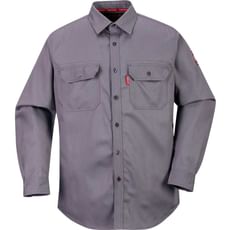
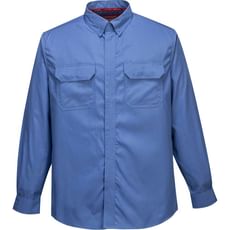
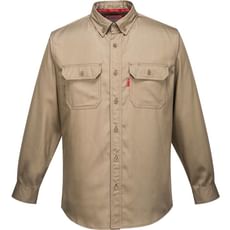
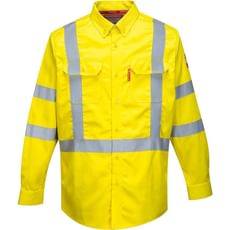
Work shirts represent a fundamental element of professional workwear, offering protection, comfort and practicality across numerous trades and industries. Whether you require flame-resistant shirts for high-risk environments, hi-visibility options for roadside work, or healthcare tunics for medical settings, selecting the right work shirt is essential for both safety compliance and all-day comfort. Modern work shirts combine technical fabrics with intelligent design features such as reinforced stitching, secure pocket systems, and moisture-wicking properties to meet the demanding requirements of physical labour.
The range available at Tooled-Up.com includes specialist shirts from leading workwear manufacturers including Bizflame, Portwest, Dickies and Scruffs. These brands offer everything from lightweight flame-resistant options with ARC protection for electrical workers, to durable checked shirts with padded insulation for outdoor trades. Many professional shirts feature practical design elements including pen divisions, flapped chest pockets, adjustable cuffs, and extended shirt tails that remain tucked throughout the working day. Fabric technologies have advanced significantly, with many shirts now offering permanent flame resistance, chemical protection, and breathable comfort without compromising on durability.
Work shirts serve multiple purposes beyond basic coverage, often forming part of mandatory PPE requirements in regulated industries. Healthcare tunics provide hygienic, easy-to-clean garments for medical professionals, whilst flame-resistant shirts offer crucial protection against thermal hazards and electric arc flash. For tradespeople working outdoors or in variable conditions, padded checked shirts provide warmth without restricting movement, and hi-vis options ensure visibility in low-light or high-traffic environments. Understanding the specific demands of your work environment will guide you towards the appropriate shirt specification.
Jargon Buster
- Flame Resistant (FR): Fabric treatment or inherent material property that prevents ignition and self-extinguishes when exposed to flames, providing critical protection in high-risk environments such as welding or electrical work.
- ARC Protection: Specialised flame-resistant clothing designed to protect against electric arc flash hazards, rated by arc rating (ATPV or EBT) measured in calories per square centimetre. ARC2 indicates a specific protection level suitable for many electrical tasks.
- 88/12 Fabric: A blend comprising 88% cotton and 12% nylon, commonly used in flame-resistant workwear to combine the comfort and breathability of natural fibres with enhanced durability and protective properties.
- Hi-Vis (High Visibility): Garments featuring fluorescent background material and reflective tape that meet EN ISO 20471 standards, ensuring wearers remain visible in poor lighting or high-traffic environments.
- Moisture Wicking: Fabric technology that draws perspiration away from the skin to the garment's outer surface where it evaporates, keeping the wearer dry and comfortable during physical work.
- Healthcare Tunic: A loose-fitting shirt designed for medical and care professionals, typically featuring side vents, easy-access pockets, and fabrics that withstand frequent high-temperature washing for infection control.
Who Uses Shirts?
Professional work shirts are essential workwear for numerous trades and industries:
- Electricians and Electrical Engineers: Requiring flame-resistant and ARC-rated shirts for protection against electrical hazards
- Welders and Fabricators: Needing FR protection against sparks, molten metal and flame exposure
- Gas Engineers and Heating Technicians: Working with flammable materials and requiring appropriate thermal protection
- Construction Workers: Utilising durable, comfortable shirts suitable for physical labour and site conditions
- Healthcare Professionals: Including nurses, care assistants and medical practitioners requiring hygienic, easy-clean tunics
- Food Industry Workers: Such as bakers and catering staff needing short-sleeve, breathable shirts meeting hygiene standards
- Grounds Maintenance and Landscaping: Outdoor workers benefiting from weather-appropriate, durable checked shirts
- Warehouse and Logistics Staff: Requiring comfortable, practical shirts with secure pocket systems
- Highways and Civil Engineering: Workers needing hi-visibility shirts for roadside safety compliance
How to Choose the Right Shirts
Selecting appropriate work shirts requires careful consideration of several key factors:
Protection Requirements: Identify any hazards in your working environment. Electrical work demands ARC-rated flame-resistant shirts, whilst welding requires FR protection with appropriate coverage. Healthcare environments need easily sanitised fabrics, and roadside work necessitates hi-visibility garments meeting EN ISO 20471 standards. Always verify that garments meet relevant British and European safety standards for your specific industry.
Fabric Composition: Consider the balance between protection, comfort and durability. Cotton offers excellent breathability and comfort but may lack specialist protection. Blended fabrics like 88/12 cotton-nylon combine natural fibre comfort with enhanced durability and flame resistance. Moisture-wicking synthetics suit high-activity roles, whilst healthcare tunics require fabrics that withstand frequent 60°C+ washing without degrading.
Fit and Comfort: Work shirts must allow unrestricted movement throughout the working day. Look for features such as action backs, underarm gussets, and appropriate sleeve lengths. Extended shirt tails prevent the garment riding up during bending and reaching. Adjustable cuffs accommodate different arm sizes and allow ventilation adjustment. Consider whether long or short sleeves suit your working conditions and protection requirements.
Practical Features: Assess pocket configuration for your tools and equipment. Chest pockets with button-down flaps prevent item loss, whilst pen divisions keep writing implements accessible. Some shirts offered by Tooled-Up include radio loops, mobile phone pockets, and reinforced pocket edges for increased longevity. Check collar styles for comfort and whether they accommodate additional PPE such as neck protection or communications equipment.
Durability and Maintenance: Professional shirts face considerable wear, so construction quality matters. Reinforced stitching at stress points, bar-tacked pocket corners, and robust button fixings extend garment life. Consider washing requirements—some specialist fabrics need specific care to maintain protective properties, whilst others offer industrial laundry compatibility. Permanent flame resistance is preferable to chemical treatments that degrade over time.
Popular Accessories
- Work Trousers and Shorts: Coordinating lower body workwear from the same manufacturer ensures consistent protection standards and professional appearance
- High Visibility Vests and Jackets: Layering options for enhanced visibility or additional weather protection whilst maintaining safety compliance
- Base Layers and Thermal Underwear: Moisture-wicking underlayers for temperature regulation without compromising shirt protection properties
- Fleece Jackets and Gilets: Insulating mid-layers for colder conditions that can be worn over work shirts
- Work Belts: Supporting trousers and providing tool-carrying capacity to complement shirt pocket systems
- Knee Pads and Protective Equipment: Complementary PPE ensuring comprehensive workplace protection
- Laundry Detergents: Specialist cleaning products that maintain flame-resistant and hi-vis properties through repeated washing
Safety Information
Work shirts designed for hazardous environments must meet specific safety standards. Flame-resistant shirts should comply with EN ISO 11612 (protective clothing against heat and flame) and display appropriate certification labels indicating protection levels. Garments offering ARC protection must meet IEC 61482-2 standards and clearly state their arc rating. Never remove or obscure these labels as they provide crucial information for safety compliance and insurance purposes.
Hi-visibility work shirts must meet EN ISO 20471 standards, with garments classified into Class 1, 2 or 3 depending on the amount and placement of fluorescent and reflective material. Ensure your shirt classification matches your risk assessment requirements—higher traffic volumes and lower light conditions demand higher classification levels. Regularly inspect reflective tape for damage or contamination that reduces visibility effectiveness.
Maintain protective properties through correct laundering practices. Flame-resistant garments require specific washing procedures to preserve their protective qualities—avoid fabric softeners, bleach, and starch which can compromise FR properties. Follow manufacturer care labels precisely and replace garments showing signs of damage, excessive wear, or fading that might indicate degraded protection. The HSE recommends regular inspection of all protective workwear and immediate replacement of compromised items.
Never modify work shirts by cutting, altering or adding non-approved attachments, as this may invalidate certification and compromise protection. Ensure shirts fit correctly without excessive looseness that could catch on equipment or flames. When working in environments requiring multiple PPE items, verify that your work shirt is compatible with other protective equipment such as harnesses, breathing apparatus, or protective headgear.
Frequently Asked Questions
How long do flame-resistant work shirts maintain their protective properties?
Quality flame-resistant shirts with inherent FR properties (fabric that is naturally flame-resistant rather than chemically treated) maintain protection throughout the garment's serviceable life. However, protection can be compromised by contamination with flammable substances, physical damage, or improper laundering. Chemically treated FR garments gradually lose effectiveness through repeated washing. Always follow manufacturer washing guidelines, inspect garments regularly for damage, and replace shirts showing signs of wear, contamination or fading. Most manufacturers recommend replacement after a specific number of wash cycles or when visible deterioration occurs.
Can I wear a standard cotton shirt underneath a flame-resistant work shirt?
No. Wearing non-FR garments beneath flame-resistant outerwear creates a serious hazard. Standard cotton, synthetic, or blended underlayers can ignite and continue burning against the skin even when the outer FR layer self-extinguishes, causing severe injuries. If additional layers are required for warmth or comfort, use only FR-certified base layers designed to work with your outer FR shirt. This ensures comprehensive protection across all clothing layers and maintains compliance with safety regulations.
What's the difference between a work shirt and a standard casual shirt?
Work shirts incorporate numerous design features absent from casual shirts: reinforced stitching at stress points for durability, extended shirt tails that remain tucked during physical activity, strategically positioned pockets with secure closures for tools and equipment, and fabrics selected for durability rather than just appearance. Many work shirts include specialist properties such as flame resistance, chemical protection, or hi-visibility elements. Construction quality significantly exceeds casual shirts to withstand daily industrial laundering and the physical demands of manual work. Buttons, seams and pocket attachments are substantially reinforced to prevent failure during demanding use.
Do healthcare tunics need to be a specific colour?
Healthcare tunic colour requirements vary between employers and departments. Many NHS trusts and private healthcare facilities implement colour-coded uniform policies to distinguish between roles, departments, or seniority levels, helping patients and colleagues quickly identify staff functions. Common colours include navy, light blue, white, burgundy and various pastels. Check your employer's uniform policy before purchasing. Beyond colour, healthcare tunics must withstand frequent high-temperature washing (typically 60°C or higher) for infection control, feature easy-access pockets for essential equipment, and use fabrics that resist staining and maintain appearance through repeated industrial laundering.
How should I size work shirts for comfort during physical labour?
Work shirts should offer comfortable movement without excess fabric that could catch on equipment. Measure chest circumference at the fullest point and compare against manufacturer sizing charts—brands vary considerably. When trying shirts, perform typical work movements: raise arms overhead, bend forward, reach across your body, and squat down to ensure adequate freedom without tightness or restriction. Shirt tails should be long enough to remain tucked when bending. Sleeves should reach your wrist bone when arms hang naturally, with sufficient length remaining when reaching forward. Consider whether you'll wear the shirt over base layers in cold weather, which may require sizing up. Many work shirt manufacturers offer regular, tall and short fit options to accommodate different body proportions.