

Shot Blasting Tools & Cabinets
Pay in 3 interest-free payments on purchases from £30-2000 with  . Learn more.
 Loading...
End of content
Error - No more pages to load
About Shot Blasting Tools & Cabinets
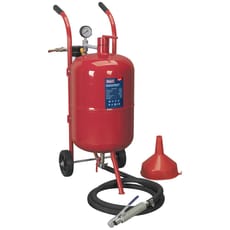
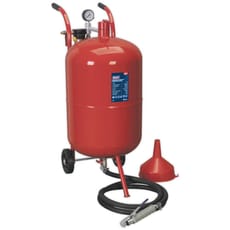
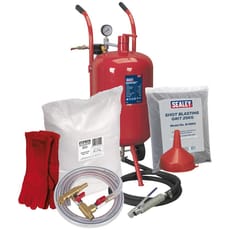
Shot blasting tools and cabinets are essential equipment for removing rust, paint, corrosion, and surface contaminants from metal components and other materials. Whether you're restoring automotive parts, preparing surfaces for powder coating, or cleaning fabricated metalwork, these specialist tools deliver professional results by propelling abrasive media at high velocity against the workpiece. Tooled-Up.com stocks a comprehensive range including portable shot blasting kits for mobile applications and fully enclosed cabinets for safe, contained blasting in workshop environments.
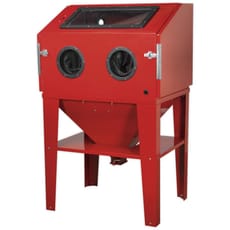
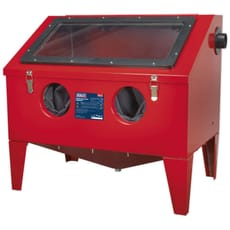
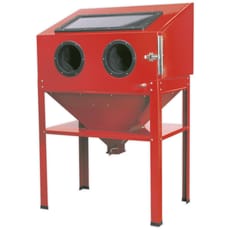
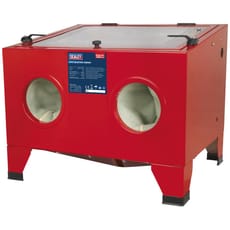
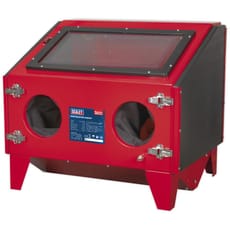
Shot blasting cabinets provide a controlled environment for surface preparation work, featuring integral dust extraction systems, viewing windows, and sealed glove ports for operator safety. Available in bench-mounted, floor-standing, and double-access configurations, these cabinets contain the abrasive media and dust generated during the blasting process, protecting both the operator and the surrounding workspace. From compact bench-top units ideal for smaller workshops to large floor-standing models capable of handling substantial components, there's a cabinet solution for every application and available space.
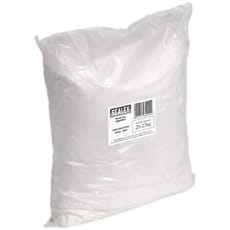
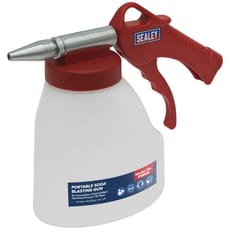
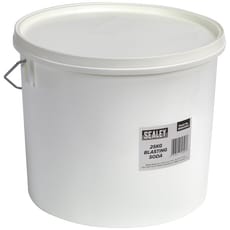
The selection at Tooled-Up includes both shot blasting and soda blasting equipment, offering versatility for different surface preparation requirements. Soda blasting uses sodium bicarbonate as a gentler abrasive medium, making it perfect for delicate surfaces where traditional shot blasting might cause damage. With leading brands like Sealey and Draper represented throughout the range, you'll find reliable, workshop-quality equipment designed to deliver consistent results across automotive restoration, engineering fabrication, and general metalworking applications.
Jargon Buster
- Shot Blasting: A surface preparation process that propels abrasive media (shot) at high velocity against a workpiece to remove rust, scale, paint, and contaminants. The term "shot" traditionally refers to metallic abrasives like steel shot or grit.
- Soda Blasting: A gentler form of abrasive blasting that uses sodium bicarbonate (baking soda) as the blasting medium. Ideal for delicate surfaces, aluminium components, and applications where substrate damage must be minimised.
- Abrasive Media: The material propelled through the blasting gun to clean or prepare surfaces. Common types include steel shot, glass bead, aluminium oxide, garnet, and crushed walnut shells, each suited to different applications and surface types.
- Cabinet Extraction System: The built-in dust collection mechanism in shot blasting cabinets that removes airborne particles and maintains visibility during operation. Essential for operator safety and compliance with COSHH regulations.
- Blast Gun/Nozzle: The handheld component that directs the pressurised stream of abrasive media onto the workpiece. Available in various orifice sizes to control blast pattern and intensity.
- Glove Ports: Sealed openings in cabinet walls fitted with heavy-duty rubber gloves, allowing operators to manipulate workpieces inside the cabinet whilst maintaining containment of abrasive media and dust.
Who Uses Shot Blasting Tools & Cabinets?
Shot blasting equipment serves a diverse range of professionals and enthusiasts across multiple industries:
- Automotive Restorers: Classic car enthusiasts and professional restoration specialists removing paint, rust, and corrosion from vehicle panels, chassis components, and engine parts
- Fabricators and Welders: Metal fabrication workshops preparing surfaces for welding, coating, or finishing processes
- Powder Coating Specialists: Professional coating businesses requiring thorough surface preparation before powder coating application
- Agricultural Engineers: Farm machinery maintenance teams restoring and refurbishing agricultural equipment components
- Plant and Equipment Maintainers: Industrial maintenance teams servicing heavy machinery, removing corrosion and preparing surfaces for protective coatings
- Marine Engineers: Boat builders and repair specialists treating marine components subject to saltwater corrosion
- General Engineering Workshops: Small to medium engineering businesses requiring versatile surface preparation capabilities
- DIY Enthusiasts: Home workshop users tackling restoration projects, garden furniture refurbishment, and metalwork preparation
- Motorcycle Restorers: Custom bike builders and restoration specialists cleaning engine casings, frames, and components
How to Choose the Right Shot Blasting Tools & Cabinets
Selecting appropriate shot blasting equipment depends on several key factors related to your specific requirements:
Cabinet Size and Configuration: Consider the maximum dimensions of components you'll be blasting. Bench-mounted cabinets suit smaller parts and workshops with limited floor space, whilst floor-standing models accommodate larger components. Double-access cabinets provide convenient loading from two sides, ideal for production environments or workshops with multiple operators.
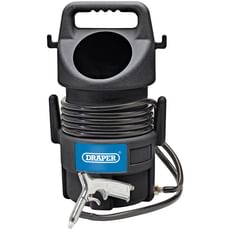
Portability Requirements: If you need to work on-site or move equipment between locations, portable shot blasting kits offer flexibility. These typically include the blasting gun, hoses, and abrasive media in a transportable case. For permanent workshop installations, cabinet-based systems provide superior dust containment and operator comfort.
Blasting Media Type: Determine whether traditional shot blasting or gentler soda blasting better suits your applications. Soda blasting excels with aluminium, chrome, and delicate surfaces where substrate preservation is critical. Traditional shot blasting with steel media provides more aggressive cleaning for heavily corroded ferrous components. Some kits offer versatility for both applications.
Extraction and Dust Control: Effective dust extraction is essential for visibility, operator safety, and compliance with HSE workplace exposure limits. Check whether cabinets include integral extraction fans or require connection to separate dust extraction systems. Consider extraction performance measured in cubic metres per hour (m³/h).
Operating Pressure and Air Supply: Shot blasting equipment requires a suitable compressed air supply, typically between 6-8 bar operating pressure. Verify your existing compressor capacity matches the equipment's air consumption requirements (measured in CFM or litres per minute). Inadequate air supply compromises blasting performance and increases media consumption.
Cabinet Features: Look for practical design elements including good-quality viewing windows for visibility, comfortable glove ports positioned at appropriate working heights, effective internal lighting, robust steel construction, and convenient media recovery systems. Some models feature sloped floors and collection drawers for efficient media reclamation and reuse.
Popular Accessories
- Abrasive Media: Steel shot and grit in various grades, glass bead, aluminium oxide, and specialist soda blasting powder
- Replacement Gloves: Heavy-duty rubber gloves for cabinet glove ports, available in various sizes
- Blast Nozzles: Spare and alternative nozzle sizes for different blasting applications and materials
- Extraction Filters: Replacement filter elements for cabinet dust extraction systems
- Cabinet Lighting: Additional or replacement illumination for improved visibility during operation
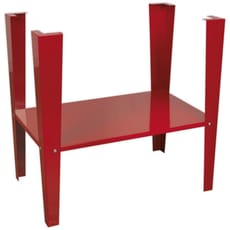
- Floor Stands: Dedicated support stands for elevating bench-mounted cabinets to comfortable working heights
- Blast Kit Components: Replacement hoses, couplings, and fittings for portable blasting kits
- Respirators and Dust Masks: Appropriate respiratory protection rated for fine dust and silica exposure
- Cabinet Viewing Windows: Replacement protective films or glass panels for maintaining clear visibility
- Air Line Fittings: Quick-release couplers, regulators, and moisture traps for optimised air supply
Safety Information
Shot blasting operations present several health and safety considerations that require careful management:
Respiratory Protection: Even with enclosed cabinets, operators must wear appropriate respiratory protection when handling abrasive media and cleaning cabinets. Some blasting media, particularly silica-based products, pose serious inhalation hazards. Consider HSE guidance on respiratory protective equipment (RPE) and workplace exposure limits (WELs) for respirable crystalline silica.
Eye and Hand Protection: Always wear safety glasses or goggles when operating portable blasting equipment or maintaining cabinets. Inspect cabinet gloves regularly for tears or degradation that could expose hands to abrasive media. Replace damaged gloves immediately to maintain operator protection.
Noise Exposure: Shot blasting equipment generates significant noise levels. Conduct noise assessments in accordance with the Control of Noise at Work Regulations 2005, and provide appropriate hearing protection where exposure exceeds action values.
Dust Extraction: Ensure extraction systems operate effectively before commencing blasting operations. COSHH regulations require adequate control of hazardous substances, including dust from abrasive media and removed surface coatings. Maintain extraction filters according to manufacturer recommendations and dispose of collected dust appropriately.
Compressed Air Safety: Verify all airline connections are secure before pressurising systems. Never direct compressed air towards yourself or others. Ensure compressed air supplies include appropriate filtration to remove moisture and contaminants that could affect blasting performance.
Media Handling: Store abrasive media in sealed containers away from moisture. Some materials, particularly soda blasting media, require specific storage conditions to maintain effectiveness. Follow manufacturer guidance on media storage, handling, and disposal.
Frequently Asked Questions
What's the difference between shot blasting and sand blasting?
Whilst often used interchangeably, shot blasting typically refers to using metallic abrasives (steel shot or grit) propelled by compressed air or mechanical means, whilst sand blasting traditionally used silica sand as the abrasive medium. Due to serious health risks associated with silica dust, sand is now rarely used in the UK, with alternative media like glass bead, aluminium oxide, or steel grit preferred. Modern "sand blasting" cabinets accommodate various abrasive media types.
What size air compressor do I need for shot blasting?
Most shot blasting equipment requires a minimum of 14-15 CFM (approximately 400 litres per minute) at 6-8 bar operating pressure. A compressor with a tank capacity of at least 150 litres and a 3HP motor typically provides adequate performance for intermittent use. For continuous professional applications, consider larger compressors rated at 200+ litres per minute to maintain consistent blasting pressure and avoid duty cycle limitations.
Can I use the same cabinet for both shot blasting and soda blasting?
Whilst physically possible, it's not recommended to mix shot blasting and soda blasting media in the same cabinet without thorough cleaning between applications. Steel shot or grit can contaminate soda media, reducing its gentle cleaning properties and potentially damaging delicate surfaces. If you need both capabilities, either dedicate separate cabinets to each process or implement rigorous cleaning protocols when switching media types.
How often should I replace the abrasive media?
Media lifespan depends on the abrasive type, blasting pressure, and workpiece material. Steel shot can be reused multiple times until it breaks down into smaller particles, whilst soda blasting media typically has single-use applications as it dissolves during use. Glass bead media offers moderate reusability. Monitor blasting effectiveness—when you notice reduced cleaning speed or inconsistent results, the media likely needs replenishing or replacing.
Do shot blasting cabinets require any special installation?
Bench-mounted cabinets simply require a sturdy workbench or dedicated stand capable of supporting their weight (typically 50-100kg when loaded). Floor-standing models need adequate floor space and level positioning. All cabinets require connection to a suitable compressed air supply with appropriate filtration and pressure regulation. Some models benefit from connection to workshop dust extraction systems for enhanced performance, though many include integral extraction fans suitable for standard workshop environments.