

Shovel Rakes

Pay in 3 interest-free payments on purchases from £20-£3000 with  . Learn more.
 Loading...
End of content
Error - No more pages to load
About Shovel Rakes
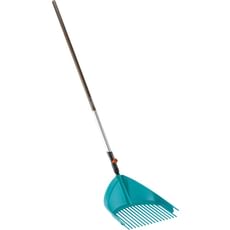
Shovel rakes are ingenious multi-purpose gardening tools that combine the functionality of a shovel, rake, and sieve into a single versatile implement. Featuring a distinctive basket-like design with tines or perforations, these tools excel at collecting, lifting, and sifting garden debris whilst allowing soil and fine materials to fall through. The unique construction makes them particularly effective for gathering grass clippings, fallen leaves, hedge trimmings, and general garden litter without the constant need to switch between different tools.
The design of a shovel rake typically incorporates a curved or flat scoop with integrated gaps or slots that enable sifting action. This makes them invaluable for tasks such as cleaning up after hedge trimming, collecting windfall fruit, removing surface debris from ponds, and even light soil preparation work. The combisystem approach, where tool heads attach to interchangeable handles, has become increasingly popular as it allows gardeners and groundskeepers to build a comprehensive toolkit without the storage challenges of multiple complete tools.
Available at Tooled-Up.com, shovel rakes represent excellent value for those seeking efficient garden maintenance solutions. Whether you're a professional groundskeeper managing large estates, a landscape gardener tackling multiple sites, or a home gardener maintaining your own plot, these versatile implements significantly reduce the time and effort required for routine clearing and tidying tasks.
Jargon Buster
- Combisystem: An interchangeable tool system where multiple tool heads can be attached to compatible handles, allowing users to build a customised toolkit whilst minimising storage requirements and cost.
- Tines: The prongs or teeth that extend from the tool head, which in shovel rakes are spaced to allow fine material to pass through whilst retaining larger debris.
- Sifting Action: The ability to separate fine materials (such as soil or small particles) from larger items (leaves, clippings, stones) by allowing them to fall through the gaps in the tool head.
- Tool Head: The working end of a combisystem tool that attaches to a handle, which can be swapped out for different tasks without replacing the entire implement.
- Basket Design: The curved, scoop-like construction with integrated gaps that allows a shovel rake to gather and lift materials whilst providing drainage or sifting capability.
- Windfall: Fruit, leaves, or other organic material that has naturally fallen from trees and plants, which shovel rakes are particularly effective at collecting.
Who Uses Shovel Rakes?
- Landscape Gardeners: For efficient collection of garden waste across multiple client sites
- Groundskeepers: Maintaining parks, sports facilities, and public spaces
- Estate Managers: Managing large grounds and ornamental gardens
- Arborists: Clearing up after tree surgery and pruning work
- Allotment Holders: Maintaining vegetable plots and collecting organic waste for composting
- Garden Maintenance Contractors: Providing regular tidying and clearance services
- Home Gardeners: DIY enthusiasts maintaining their own gardens and outdoor spaces
- Pond Maintenance Specialists: Removing surface debris from water features
- Cemetery Groundskeepers: Keeping memorial grounds tidy and respectful
- Horticultural Students: Learning practical garden maintenance techniques
How to Choose the Right Shovel Rakes
Handle Compatibility: If you're investing in a combisystem tool, check which handle systems are compatible with the shovel rake head. Consider whether you already own compatible handles or whether you'll need to purchase these separately. The Tooled-Up range includes various combisystem options that offer flexibility for future expansion.
Tine Spacing and Design: The gaps between tines determine what materials will be retained and what will fall through. Wider spacing works well for collecting larger debris like leaves and hedge clippings, whilst closer spacing provides better support for smaller items and offers more effective scooping action.
Build Quality and Materials: Look for corrosion-resistant materials such as galvanised steel or high-quality plastics. Quality brands like Gardena offer durability that withstands regular use in wet conditions. Check that joints and attachment points are robust, particularly if you'll be using the tool for heavier materials.
Size and Capacity: Consider the scale of your typical tasks. Larger shovel rakes collect more material per scoop but may be cumbersome in confined spaces or for extended use. Smaller versions offer better manoeuvrability and reduce fatigue during prolonged work.
Weight and Ergonomics: A lightweight tool reduces fatigue during extended use, but ensure it's still sturdy enough for your intended applications. Consider how the tool balances when filled with debris, as this affects ease of transport to your compost heap or waste bin.
Multi-Purpose Capability: Assess whether the shovel rake can genuinely perform multiple functions effectively. Some designs excel at scooping but are less effective as sieves, whilst others offer excellent sifting capability but limited capacity for bulk collection.
Popular Accessories
- Combisystem Handles: Various lengths and materials to suit different tasks and user heights
- Additional Tool Heads: Expand your combisystem collection with cultivators, hoes, and edging tools
- Garden Waste Bags: Heavy-duty collection bags for transporting collected debris
- Wheelbarrows: For moving larger volumes of collected material to compost heaps or disposal points
- Composters: To process organic waste collected with your shovel rake
- Tool Storage Systems: Wall-mounted racks or sheds to organise combisystem handles and heads
- Gardening Gloves: Quality hand protection for comfort during extended use
- Kneeling Pads: For ground-level work when sifting soil or collecting low-lying debris
- Leaf Blowers: Complementary tools for gathering debris before collection with a shovel rake
Frequently Asked Questions
Can I use a shovel rake to remove leaves from my pond?
Yes, shovel rakes are excellent for removing floating leaves and surface debris from ponds and water features. The sifting design allows water to drain away whilst retaining the debris. Take care to work gently to avoid disturbing pond liners or harming aquatic life. The tool is particularly useful for autumn maintenance when fallen leaves accumulate on water surfaces.
Are shovel rakes suitable for heavy soil work?
Shovel rakes are primarily designed for collecting and sifting light to medium materials rather than heavy excavation or soil moving. Whilst they can lift and sift soil to remove stones or create a fine tilth, a traditional spade or shovel would be more appropriate for moving large volumes of heavy soil. The perforated design means dense materials may prove challenging.
How do I attach a combisystem tool head to a handle?
Combisystem tools typically feature a simple push-fit or twist-lock mechanism. Align the tool head with the handle socket, push firmly together, and twist if required until you hear or feel a click. Always check the connection is secure before use. Consult the manufacturer's instructions for your specific system, as mechanisms may vary between brands.
What's the advantage of a combisystem over traditional tools?
Combisystem tools offer significant storage space savings, as multiple tool heads share common handles. This reduces initial investment costs when building a comprehensive toolkit. The interchangeable nature also means you can select the optimal handle length for each specific task and user, improving ergonomics and reducing fatigue. For professionals working from vans or those with limited storage, the space-saving benefits are particularly valuable.
Can shovel rakes handle wet grass clippings?
Yes, shovel rakes cope well with damp grass clippings, as the sifting design allows excess moisture to drain away. This prevents the tool becoming unnecessarily heavy and makes collection more efficient. However, very wet or matted clippings may clump together and prove more challenging to handle. For best results, allow clippings to dry slightly before collection, or work in smaller batches when dealing with freshly cut, wet grass.