

Silicon Carbide Sandpaper
Pay in 3 interest-free payments on purchases from £30-2000 with  . Learn more.
 Loading...
End of content
Error - No more pages to load
About Silicon Carbide Sandpaper
Silicon carbide sandpaper is a premium abrasive material designed specifically for sanding hard, non-ferrous surfaces where conventional aluminium oxide abrasives simply don't perform. The extremely hard and sharp silicon carbide grains cut through challenging materials like glass, stone, ceramics, fibreglass, gel coats, and paint coatings with exceptional efficiency. This specialised abrasive is also the go-to choice for achieving ultra-smooth finishes between coats of paint, varnish, or lacquer, earning it the common name "wet and dry" paper due to its ability to be used with water as a lubricant.
Tooled-Up.com stocks silicon carbide sandpaper from leading manufacturers including Bosch Professional, Faithfull, Flexovit, and Oakey, available in various formats including sheets, rolls, and finishing papers. These products typically feature a waterproof backing that allows for both dry and wet sanding applications, with the water helping to reduce dust, prevent clogging, and achieve finer finishes. The distinctive dark grey or black appearance of silicon carbide abrasive distinguishes it from the brown aluminium oxide papers commonly used for woodworking.
Silicon carbide abrasives are available in grit sizes ranging from coarse to ultra-fine, with finer grits (400-2500+) particularly valued for producing mirror-like finishes on painted surfaces, metalwork, and composite materials. The material's friable nature means the grains fracture during use to continually expose fresh, sharp cutting edges, maintaining consistent cutting performance throughout the product's lifespan.
Jargon Buster
- Silicon Carbide - An extremely hard synthetic abrasive material (9.5 on the Mohs scale) created by fusing sand and coke at high temperatures. Harder than aluminium oxide, making it ideal for non-ferrous materials and hard surfaces.
- Wet and Dry Paper - Common name for waterproof silicon carbide sandpaper that can be used with water or other lubricants to reduce dust and heat while achieving finer finishes. The waterproof resin bond prevents the paper from disintegrating when wet.
- Grit Number - The measurement of abrasive particle size, with lower numbers (60-120) indicating coarser grains for material removal and higher numbers (400-2500+) representing finer grains for finishing and polishing work.
- Friable Grain - The characteristic of silicon carbide crystals to fracture and break down during use, continually exposing fresh, sharp cutting edges rather than dulling like some abrasives.
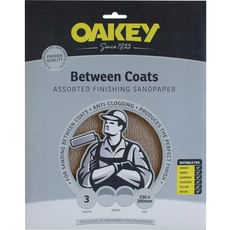
- Between Coats - A specific grade of very fine silicon carbide paper (typically 240-400 grit) designed for flatting and smoothing between applications of paint, varnish, or lacquer to achieve professional-quality finishes.
- Closed Coat - An abrasive where grains cover 90-100% of the backing material, providing maximum cutting action. Most silicon carbide papers feature closed coat construction for efficient material removal.
Who Uses Silicon Carbide Sandpaper?
- Painters and Decorators - For flatting between coats and achieving smooth finishes on painted surfaces
- Automotive Refinishers - Essential for preparing bodywork, flatting primer, and finishing paint coatings to showroom quality
- Boat Builders and Marine Engineers - Sanding gel coats, fibreglass, and marine coatings in both wet and dry conditions
- Stone Masons and Tilers - Smoothing stone, marble, granite, and ceramic surfaces
- Composite Fabricators - Working with carbon fibre, fibreglass, and other composite materials
- Furniture Restorers - Achieving ultra-fine finishes on lacquered and French-polished surfaces
- Metal Polishers - Finishing non-ferrous metals including aluminium, brass, and copper
- DIY Enthusiasts - For home improvement projects requiring professional-quality surface preparation and finishing
- Glaziers - Smoothing and finishing glass edges
How to Choose the Right Silicon Carbide Sandpaper
Material Being Sanded: Confirm that your application requires silicon carbide rather than aluminium oxide. Silicon carbide excels on hard, non-ferrous materials like stone, glass, ceramics, paint, and composites, but isn't the most cost-effective choice for wood or ferrous metals where standard abrasives perform adequately.
Grit Selection: Match the grit to your task. Use 60-120 grit for heavy material removal and initial shaping, 150-240 grit for general surface preparation, 320-600 grit for between-coats flatting, and 800-2500+ grit for final polishing and mirror finishes. The range available at Tooled-Up includes options suitable for both aggressive cutting and ultra-fine finishing.
Format and Size: Consider whether sheets, rolls, or pre-cut formats best suit your working method. Rolls offer better value for large projects and allow you to cut custom sizes, while sheets are convenient for hand sanding and fitting to powered sanders. Check compatibility if using with orbital or palm sanders.
Wet or Dry Usage: Decide whether you'll be sanding wet or dry. While all silicon carbide paper is waterproof, wet sanding produces superior finishes with less dust but requires proper ventilation and increases working time. Dry sanding is faster but generates more airborne particles requiring dust extraction and respiratory protection.
Brand Quality: Professional brands like Bosch Professional, Faithfull, Flexovit, and Oakey offer consistent grit sizing, uniform grain distribution, and durable backings that resist tearing. Premium papers last longer and produce more consistent results than economy alternatives, reducing overall project costs.
Backing Weight: Heavier backing papers (C or D weight) withstand aggressive use and power sanding, while lighter backings (A weight) conform better to contours and detailed work. Consider the flexibility needed for your specific application.
Popular Accessories
- Sanding Blocks - Cork, rubber, or foam blocks for even pressure distribution during hand sanding
- Orbital Sanders - For efficient powered sanding with silicon carbide discs and sheets
- Spray Bottles - For applying water or lubricant during wet sanding operations
- Tack Cloths - Removing fine dust between sanding stages before applying new coats
- Dust Extraction Systems - Essential for capturing fine silicon carbide dust during dry sanding
- Sanding Sponges - Flexible silicon carbide-coated sponges for contoured surfaces
- Safety Equipment - Dust masks, safety glasses, and protective gloves
- Rubbing Compound - For final polishing stages after ultra-fine sanding
- Work Stands and Trestles - Secure support for larger workpieces during sanding
Safety Information
Respiratory Protection: Silicon carbide dust poses significant respiratory hazards. Always wear appropriate dust masks or respirators meeting at least FFP2 standards when dry sanding. Fine particles can remain airborne for extended periods and may cause silicosis with prolonged exposure. Wet sanding significantly reduces airborne dust but doesn't eliminate the hazard entirely.
Eye Protection: Safety glasses or goggles are essential during all sanding operations to prevent particles entering the eyes. When wet sanding, splatter can carry abrasive particles, so protection remains necessary.
Dust Extraction: Use dust extraction equipment wherever possible to minimise airborne particles. The HSE recommends on-tool extraction for powered sanding operations. Ensure adequate ventilation in enclosed spaces and never dry sand in confined areas without proper extraction.
Skin Protection: Wear suitable gloves when handling silicon carbide paper, particularly during wet sanding with water or solvents. The sharp abrasive can irritate skin, and prolonged exposure may cause dermatitis. Barrier creams offer additional protection.
Housekeeping: Clean work areas regularly using vacuum extraction rather than sweeping, which simply redistributes fine dust into the air. Dispose of used abrasives and collected dust according to COSHH regulations and local authority guidance.
Frequently Asked Questions
What's the difference between silicon carbide and aluminium oxide sandpaper?
Silicon carbide is significantly harder than aluminium oxide and features sharper, more friable grains that fracture to stay sharp. This makes it ideal for hard, non-ferrous materials like stone, glass, and paint coatings. Aluminium oxide is tougher and better suited to wood and ferrous metals. Silicon carbide paper is typically more expensive but essential for achieving professional results on appropriate materials.
Can silicon carbide sandpaper be used on wood?
Whilst silicon carbide can be used on wood, it's not the most economical choice for general woodworking. The hard, friable grains break down quickly on softer materials, reducing working life. However, silicon carbide excels for ultra-fine finishing of lacquered or painted wooden surfaces where its superior cutting action on hard coatings justifies the additional cost.
Should I sand wet or dry with silicon carbide paper?
Both methods have advantages. Wet sanding with water or lubricant produces finer finishes, reduces dust significantly, prevents paper clogging, and keeps work surfaces cooler. However, it's slower and messier. Dry sanding is faster and more convenient but generates substantial dust requiring extraction and respiratory protection. For between-coats work and final finishing, wet sanding typically produces superior results.
How do I know which grit to use for flatting between paint coats?
For flatting between primer coats, use 240-320 grit. For flatting between topcoats or before final coats, use 400-600 grit. For cutting back final coats prior to polishing, use 800-1200 grit. Always use the finest grit that achieves adequate flatting, as coarser grits leave scratches that telegraph through subsequent coats.
Why is my silicon carbide paper clogging quickly?
Clogging typically occurs when sanding soft materials, resins, or uncured coatings that load the abrasive with material. Try wet sanding to wash away debris, ensure coatings are fully cured before sanding, or use a coarser grit initially. Some materials like gel coats benefit from purpose-formulated lubricants rather than plain water. Regular cleaning of the paper surface during use also extends working life.