

Single Sockets

Pay in 3 interest-free payments on purchases from £20-£3000 with  . Learn more.
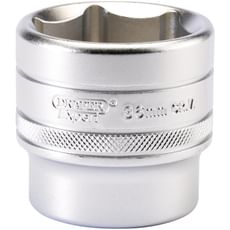
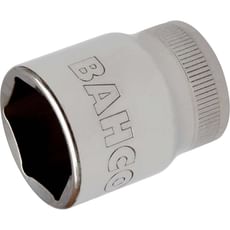
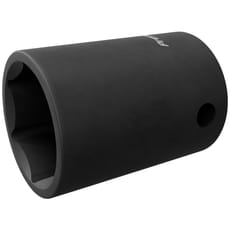
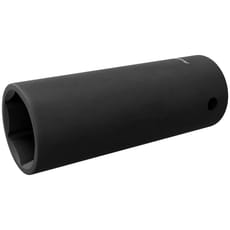
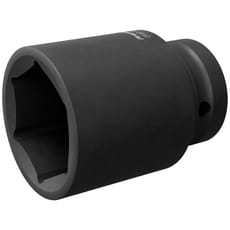
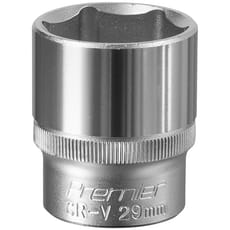
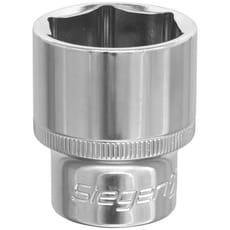
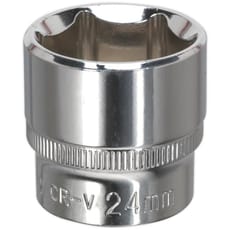
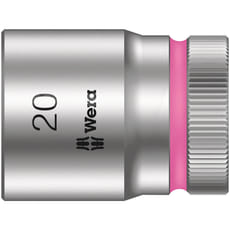
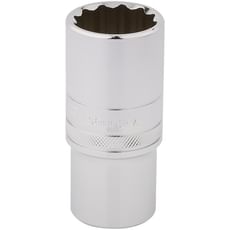
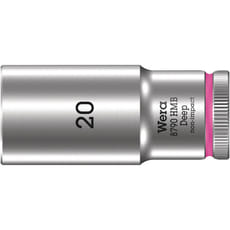
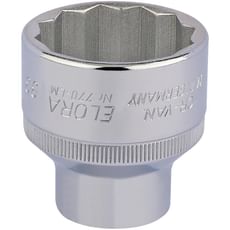
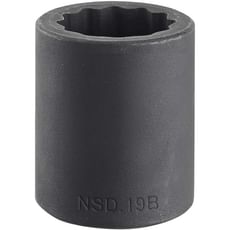
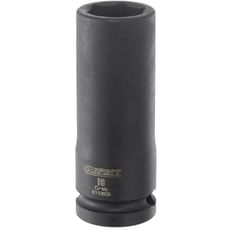
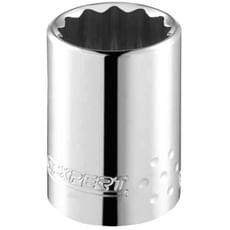
 Loading...
End of content
Error - No more pages to load
About Single Sockets
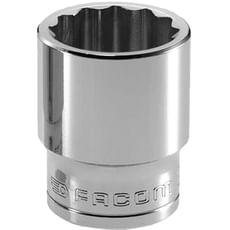
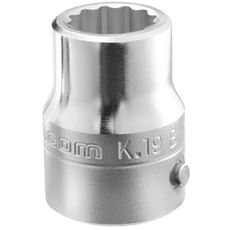
Single sockets are individual socket pieces designed to fit onto ratchet handles or extension bars as part of a socket set system. Unlike pre-packaged socket sets, single sockets allow tradespeople and engineers to purchase specific sizes and drive types as needed, whether replacing a lost socket, expanding an existing collection, or building a bespoke tool kit tailored to particular jobs. Available in various drive sizes including 1/4", 3/8", and 1/2" square drives, these essential tools provide the flexibility to tackle fastening tasks across automotive, engineering, and general maintenance applications.
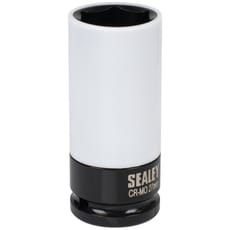
The selection at Tooled-Up.com includes single sockets in both metric and imperial measurements, with options ranging from standard hexagon sockets to specialised variants such as deep sockets for recessed bolts, impact sockets for use with power tools, and Torx sockets for star-drive fasteners. Leading manufacturers like Bahco, Draper, and Britool produce sockets with features such as bi-hexagon profiles for improved grip, dynamic drive systems that reduce fastener rounding, and high-torque designs for demanding applications. Whether you need a replacement 10mm socket for everyday use or a specific deep socket for accessing hard-to-reach fixings, purchasing individual sockets offers a cost-effective solution compared to buying entire sets.
Quality single sockets are manufactured from chrome vanadium steel or vanadium-extra steel, offering excellent durability and resistance to wear. Professional-grade sockets typically feature chrome plating or matt finishes that protect against corrosion whilst making size markings clearly visible. Impact-rated sockets use specially treated steel to withstand the forces generated by pneumatic or electric impact wrenches, making them indispensable for automotive workshops and industrial maintenance environments.
Jargon Buster
- Drive Size: The square recess on the socket that fits onto the ratchet or extension bar, measured in inches (1/4", 3/8", 1/2", 3/4"). Larger drives handle higher torque applications.
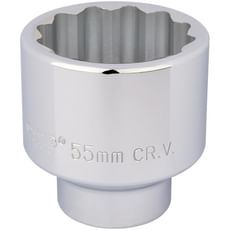
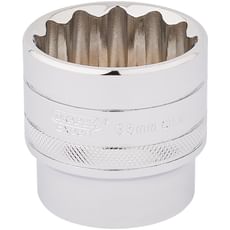
- Bi-Hexagon (12-Point): A socket with twelve contact points instead of six, allowing engagement every 30 degrees rather than 60 degrees, useful in confined spaces with limited swing room.
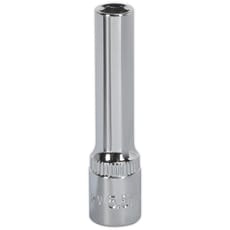
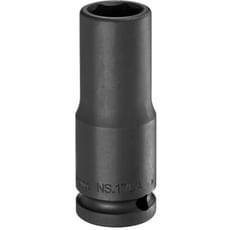
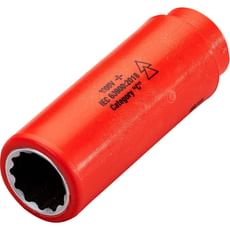
- Deep Socket: An extended-length socket designed to reach nuts and bolts recessed below the surface or to accommodate protruding threaded studs, typically 50-100mm longer than standard sockets.
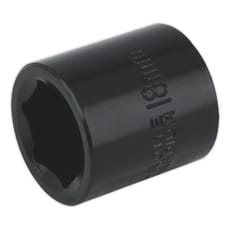
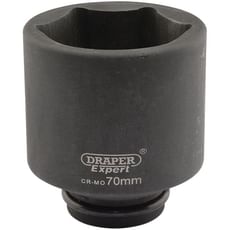
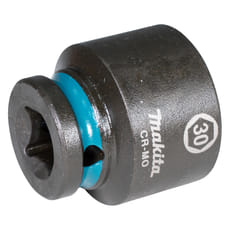
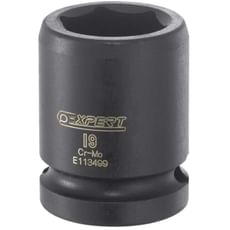
- Impact Socket: A socket specifically engineered with thicker walls and treated steel to withstand the repeated shock loads from impact wrenches, usually identified by a black oxide or phosphate finish.
- Dynamic Drive Profile: An innovative internal design that contacts the fastener on the flats rather than the corners, reducing the risk of rounding bolt heads and providing superior grip.
- Chrome Vanadium (Cr-V): A high-strength steel alloy combining chromium for hardness and corrosion resistance with vanadium for toughness and wear resistance, the standard material for quality sockets.
Who Uses Single Sockets?
- Motor mechanics and automotive technicians working on engines, suspension systems, and vehicle maintenance
- Plant maintenance engineers servicing industrial machinery and equipment in factories and warehouses
- Agricultural engineers maintaining tractors, combine harvesters, and farm equipment
- Bicycle mechanics requiring specific metric sizes for modern bicycle components
- HGV and plant fitters working on heavy goods vehicles, construction equipment, and earthmoving machinery
- General maintenance staff in facilities management, building services, and property maintenance
- HVAC engineers installing and servicing heating, ventilation, and air conditioning systems
- DIY enthusiasts and home mechanics undertaking vehicle repairs and general mechanical projects
- Fabricators and welders assembling steel structures and mechanical assemblies
How to Choose the Right Single Sockets
Drive Size Compatibility: Ensure the socket drive matches your existing ratchet handles and extension bars. The 1/2" drive is most common for general mechanical work, 3/8" suits medium-duty applications, whilst 1/4" drive is ideal for precision work and smaller fasteners.
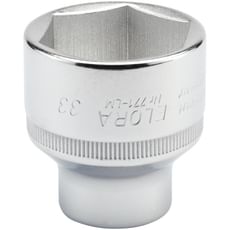
Socket Profile Type: Standard hexagon (6-point) sockets provide maximum torque transfer and are less likely to round fasteners, making them preferable for seized or corroded fixings. Bi-hexagon (12-point) sockets offer more flexibility in restricted spaces where you cannot achieve a full 60-degree swing.
Standard or Deep Length: Choose standard sockets for general applications where accessibility is good. Deep sockets are essential when working with recessed nuts, threaded rods protruding through nuts, or components like spark plugs that require extended reach.
Impact vs Hand Sockets: If using pneumatic or electric impact wrenches, you must use impact-rated sockets. Standard chrome sockets can shatter under impact forces, creating a serious safety hazard. Impact sockets feature thicker walls and are heat-treated differently to absorb shock loads.
Metric or Imperial: UK and European vehicles predominantly use metric fasteners, whilst older British vehicles and American equipment often use imperial sizes. Tooled-Up stocks both measurement systems across popular brands including Draper, Bahco, and Bosch Professional.
Quality and Brand: Professional-grade sockets from established manufacturers offer superior metallurgy, tighter tolerances, and better finishes. Whilst budget options exist, investing in quality sockets from brands like Bahco or Britool ensures longevity and reduces the risk of fastener damage.
Popular Accessories
- Ratchet handles in corresponding drive sizes (1/4", 3/8", 1/2") with various handle lengths and mechanisms
- Extension bars in multiple lengths (50mm, 125mm, 250mm) for reaching recessed or awkwardly positioned fasteners
- Universal joints allowing socket operation at angles up to 45 degrees from the drive axis
- Socket rail organisers with clip systems for storing and transporting individual sockets
- Torque wrenches for applications requiring precise tightening specifications
- Impact wrenches (pneumatic or cordless) for high-torque fastening operations
- Socket adapters enabling different drive size combinations (1/2" to 3/8", etc.)
- Magnetic socket holders preventing socket drops during overhead work
- Socket storage trays for toolboxes and foam inserts for drawer organisation
Frequently Asked Questions
Can I use regular sockets with an impact wrench?
No, you should never use standard chrome sockets with impact wrenches. Impact-rated sockets are specifically manufactured with different heat treatment and thicker walls to withstand the repetitive shock loads. Standard sockets can crack or shatter when used with impact tools, creating a serious safety risk.
What's the difference between 6-point and 12-point sockets?
Six-point (hexagon) sockets contact the flat sides of fasteners and provide maximum torque transfer with minimal risk of rounding bolt heads. Twelve-point (bi-hexagon) sockets contact fasteners every 30 degrees instead of 60 degrees, making them useful in tight spaces with limited swing room, though they're more prone to rounding damaged fasteners.
How do I know what size socket I need?
Measure the distance across the flats of the bolt head or nut using callipers or a ruler. For metric fasteners, this measurement in millimetres corresponds directly to the socket size (e.g., 13mm bolt head requires a 13mm socket). Imperial sizes are measured in fractions of an inch. When in doubt, test-fit sockets starting slightly larger than your measurement.
Why are some sockets longer than others?
Deep sockets are designed for specific applications where standard sockets cannot reach or fit properly. They're essential for recessed nuts, bolts with long threaded sections protruding above the nut, and components like spark plugs. The extra length allows the socket to slide over obstructions whilst still engaging the fastener properly.
Do I need separate sockets for metric and imperial sizes?
Yes, metric and imperial fasteners require different socket sizes as the measurements don't align. Whilst some close sizes might technically fit (like 13mm and 1/2"), using the incorrect measurement system risks rounding fasteners and damaging both the fixing and your socket. Modern vehicles predominantly use metric fasteners in the UK.