

Site Lights
Pay in 3 interest-free payments on purchases from £30-2000 with  . Learn more.
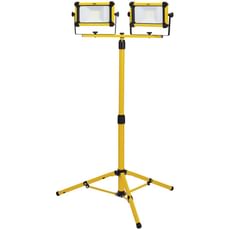
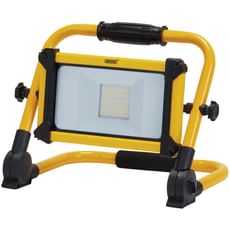
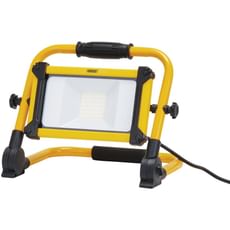
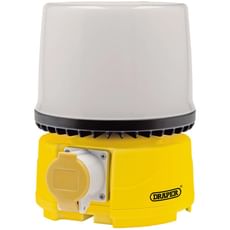
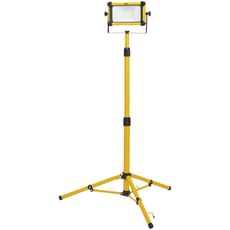
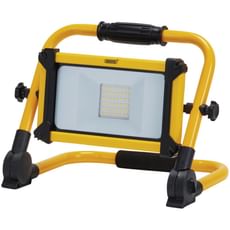
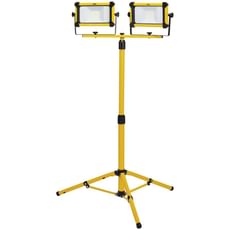
 Loading...
End of content
Error - No more pages to load
About Site Lights
Site lights are essential pieces of equipment designed to provide powerful, reliable illumination in work environments where natural light is inadequate or non-existent. Whether you're working on a construction site, conducting emergency repairs, or tackling weekend DIY projects in dimly lit spaces, professional site lighting ensures you can work safely and accurately regardless of ambient conditions. Modern site lights have evolved significantly from traditional halogen work lights, with LED technology now dominating the market thanks to superior energy efficiency, longer lifespan, and reduced heat output.
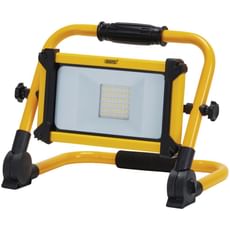
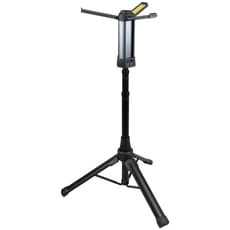
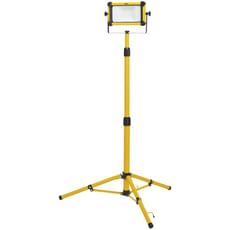
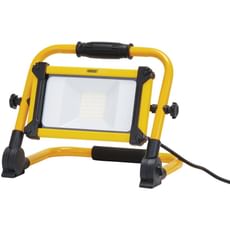
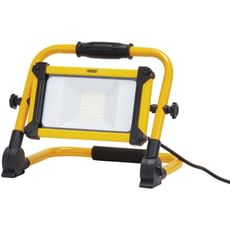
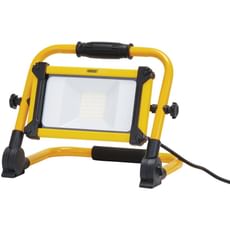
Tooled-Up.com stocks a comprehensive range of site lights from trusted brands including Draper, Defender, Faithfull, and Sealey. The selection includes tripod-mounted site lights that provide elevated illumination across large working areas, folding portable work lights ideal for close-up tasks and confined spaces, and rechargeable models that eliminate the need for constant mains power access. Power outputs typically range from 10W to 50W, with modern SMD LED technology delivering exceptional brightness measured in lumens whilst consuming a fraction of the energy used by older halogen alternatives. Many professional site lights are now 95% more efficient than their halogen predecessors, translating to lower running costs and reduced generator load on sites without mains electricity.
Today's site lights incorporate practical features designed for the demanding nature of professional environments. Telescopic tripods extend from approximately 0.6m to 1.7m, allowing workers to position light at optimal heights for various tasks. Folding designs enable compact storage and easy transportation between job sites, whilst robust construction with impact-resistant lenses ensures durability in challenging conditions. Many models feature 360-degree rotation with locking mechanisms, enabling precise directional control of the light beam to illuminate exactly where it's needed.
Jargon Buster
- SMD LED (Surface Mounted Device LED) - A type of LED technology where the LED chips are permanently fused to a printed circuit board. SMD LEDs provide superior brightness, better heat dissipation, and greater energy efficiency compared to traditional bulb technology, making them ideal for professional work lights.
- Lumens - The measurement unit for total light output. A higher lumen rating indicates a brighter light. Professional site lights typically range from 800 to 5000 lumens depending on wattage and intended application.
- Colour Temperature (measured in Kelvin) - Describes the colour appearance of light. Most site lights produce 6500K "cool white" light, which provides excellent colour rendering and reduces eye strain during detailed work.
- IP Rating (Ingress Protection) - A two-digit code indicating protection against dust and water. Site lights typically feature IP65 or higher ratings, meaning they're dust-tight and protected against water jets from any direction.
- CRI (Colour Rendering Index) - Measures how accurately a light source reveals the true colours of objects compared to natural daylight. Professional site lights with high CRI ratings (80+) are preferable for tasks requiring colour accuracy.
- Power Take Off Socket - An integrated 240v socket built into some site lights, allowing you to power additional tools or equipment directly from the light unit, reducing the number of extension leads required on site.
Who Uses Site Lights?
Site lights are indispensable tools for a wide range of trades and applications:
- Construction workers and site managers requiring illumination for early morning starts, late finishes, or work in buildings without electrical installations
- Electricians (sparkies) working in unlit buildings, loft spaces, or conducting fault-finding in areas with power isolated
- Plumbers and heating engineers accessing poorly lit cupboards, basements, and crawl spaces
- Carpenters and joiners needing accurate lighting for precision cutting, measuring, and fitting work
- Painters and decorators requiring even illumination to assess surface preparation and finish quality
- Maintenance engineers conducting repairs and inspections in industrial facilities, warehouses, and plant rooms
- Motor mechanics working underneath vehicles or in dimly lit garages and workshops
- Event riggers and AV technicians setting up equipment in venues before permanent lighting is operational
- Emergency services personnel requiring portable lighting for roadside repairs or incident scenes
- DIY enthusiasts and homeowners tackling renovation projects, loft conversions, or outdoor evening work
How to Choose the Right Site Lights
Power Source: Consider whether you need 240v mains-powered lights for sites with electrical supply, or rechargeable battery models for greater portability and use in locations without power access. Battery-powered lights eliminate trip hazards from cables but require charging between uses. The Tooled-Up range includes both options to suit different working environments.
Light Output: Match the wattage and lumen output to your working area. Smaller spaces and close-up work suit 10W-20W lights producing 800-1600 lumens, whilst larger construction sites and external areas benefit from 30W-50W models delivering 2400-4000+ lumens. Remember that LED efficiency means lower wattage doesn't necessarily mean insufficient light.
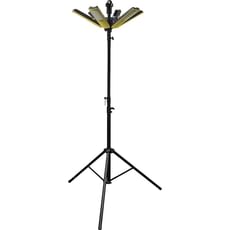
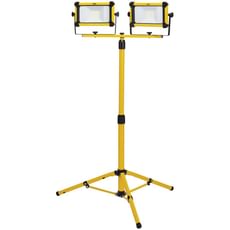
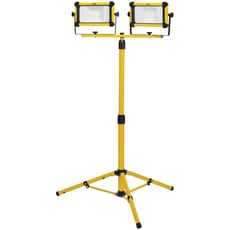
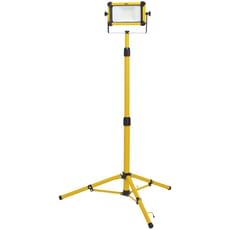
Mounting Style: Tripod-mounted lights provide elevated illumination ideal for lighting large floor areas and creating shadow-free working conditions. Folding portable lights sit directly on work surfaces or floors, perfect for confined spaces and directional lighting. Some workers prefer to maintain both types for maximum versatility across different job requirements.
Portability Requirements: If you regularly transport equipment between sites, prioritise folding designs with comfortable carry handles. Check the collapsed dimensions and weight—many modern LED site lights fold flat to briefcase-style profiles weighing just 2-4kg, easily fitting in van storage alongside other tools.
Durability and Protection: Construction environments demand robust equipment. Look for impact-resistant or shatterproof lenses, sturdy frames (steel or reinforced aluminium), and adequate IP ratings for the conditions you'll encounter. Frosted lenses reduce glare whilst maintaining light spread, important for prolonged working periods.
Additional Features: Adjustable heads with 360-degree rotation and positive locking allow precise light positioning. Integrated power take-off sockets eliminate the need for separate adaptors when running tools simultaneously. Some models include hanging hooks or magnetic bases for hands-free positioning in awkward locations.
Popular Accessories
- Extension leads and cable reels (13A rated) for positioning mains-powered site lights away from power sources
- Replacement tripod stands for converting between portable and elevated lighting configurations
- Spare rechargeable batteries for battery-powered models, enabling continuous operation whilst one battery charges
- Protective carrying cases for transporting site lights safely between locations
- RCD adaptors providing additional electrical safety when using site lights on construction sites
- Magnetic mounting bases for temporary attachment to steel surfaces and vehicles
- Generators and inverters for powering 240v site lights in off-grid locations
- Spare bulbs or LED panels (where applicable) for maintaining older halogen models
Safety Information
Always ensure site lights are positioned on stable, level ground where tripods cannot be knocked over. Telescopic legs should be fully extended and locked before use. Never exceed the maximum height specified by the manufacturer, as this affects stability and creates tipping hazards.
When using 240v mains-powered site lights, ensure all electrical connections are suitable for the environment. Use outdoor-rated extension leads on external sites, keep connections away from standing water, and consider RCD protection as recommended by HSE guidelines for construction sites. Regularly inspect cables for damage, particularly where they may be subject to abrasion or crushing.
LED site lights generate significantly less heat than halogen alternatives, but housings may still become warm during extended use. Position lights away from flammable materials and allow adequate ventilation. Never cover operating lights or place materials directly against the lamp housing.
Ensure site lights don't create dazzle or glare that could endanger others working nearby or passing through the area. Position lights to illuminate work areas without shining directly into people's eyes, particularly important on roadside or public access locations.
Frequently Asked Questions
What's the main advantage of LED site lights over traditional halogen models?
LED site lights are approximately 95% more efficient than halogen equivalents, consuming far less electricity whilst producing comparable or superior light output. They generate minimal heat, reducing fire risks and making them safer to handle. LED bulbs last significantly longer—often 30,000+ hours compared to 2,000 hours for halogen—dramatically reducing replacement costs and maintenance downtime. The lower power consumption also means you can run more lights from a single generator or electrical circuit.
How long do rechargeable site lights typically run between charges?
Runtime varies considerably depending on power output and battery capacity. Typical rechargeable site lights offer 2-4 hours of continuous operation at maximum brightness, with some models providing 6-8 hours at reduced settings. Many professional users keep spare charged batteries on hand to enable continuous working throughout the day. Higher-capacity models designed for extended use may offer longer runtimes but with increased weight and cost.
Can I use site lights outdoors in wet weather?
Most professional site lights feature IP65 or higher ratings, making them suitable for outdoor use in rain and wet conditions. However, electrical connections and plugs should still be protected from direct water exposure using weatherproof enclosures or positioned under cover. Always check the specific IP rating of your model—the second digit indicates water protection level, with 5 meaning protection against water jets and 6 indicating protection against powerful water jets.
What wattage site light do I need for a typical room or working area?
For small to medium rooms (up to 20 square metres) and close-up detailed work, a 10W-20W LED site light typically provides sufficient illumination. Larger rooms, workshops, and open areas benefit from 30W-50W models. For extensive construction sites or external areas, multiple lights strategically positioned often prove more effective than a single high-wattage unit, eliminating shadows and providing more even coverage across the working space.
Are tripod site lights stable enough for busy construction sites?
Quality tripod site lights with properly extended and locked legs provide excellent stability for normal site conditions. Position them away from high-traffic areas where they might be knocked, and ensure legs are spread to maximum width on the firm, level ground. Some models feature rubber feet or stabilising pads for additional grip. In particularly busy or confined areas where floor space is limited, consider alternative mounting options such as hanging hooks or magnetic bases, or opt for compact folding lights positioned on elevated surfaces away from foot traffic.