

Slate Rippers

Pay in 3 interest-free payments on purchases from £20-£3000 with  . Learn more.
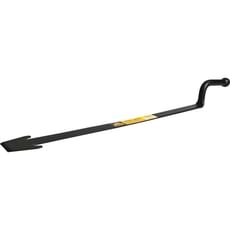
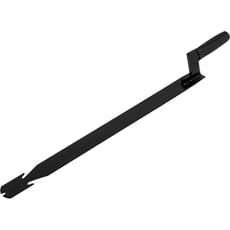
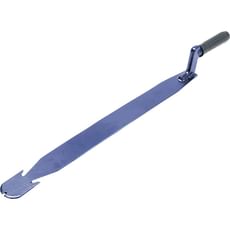
 Loading...
End of content
Error - No more pages to load
About Slate Rippers
Slate rippers are essential roofing tools designed specifically for the removal and replacement of damaged roof slates without the need to lift surrounding tiles. Also known as slaters' rippers or slate removers, these specialist hand tools feature a long, flat blade with a hooked or notched end that slides beneath slates to cut or pull out fixing nails. This allows roofers and tilers to extract broken or damaged slates efficiently whilst working from the outside of the roof, significantly reducing the time and disruption involved in slate roof repairs.
The construction of a slate ripper typically consists of a flexible yet durable steel blade, usually between 600mm and 900mm in length, attached to a handle that may be straight or cranked. The blade's flexibility is crucial, as it must bend to navigate beneath overlapping slates whilst maintaining sufficient strength to shear through old nails. Many professional-grade models feature a one-piece forged steel construction for maximum durability, with the cranked handle design allowing roofers to strike the tool with a hammer to apply additional force when dealing with stubborn fixings.
Tooled-Up.com stocks slate rippers from trusted brands including Roughneck and Faithfull, offering both standard and heavy-duty variants to suit different roofing applications. Whether undertaking heritage restoration work on older properties with hand-forged nails or carrying out modern slate repairs, these tools remain indispensable for any professional roofer or skilled DIY enthusiast working with slate roofing materials.
Jargon Buster
- Slaters' Ripper: The traditional trade name for a slate ripper, reflecting its primary use by slaters (roofing professionals who specialise in slate work).
- Cranked Handle: A handle design that features a bend or offset, allowing the user to strike it with a hammer whilst keeping their hand clear of the roof surface and providing better leverage.
- Forged Steel Construction: A manufacturing process where the tool is formed from a single piece of heated steel, producing a stronger, more durable implement than welded or assembled alternatives.
- Flexible Blade: The long, flat metal portion of the ripper that must bend to slide beneath slates without snapping, yet remain strong enough to cut through nails.
- Hooked End: The curved or notched tip of the blade designed to catch and pull out fixing nails, or to position the blade for shearing through them.
- Anti-Rust Finish: A protective coating (often black oxide or powder coating) applied to prevent corrosion when the tool is exposed to moisture during roofing work.
Who Uses Slate Rippers?
- Roofers and Slaters: Professional roofing contractors who specialise in slate roof installation, maintenance and repair work.
- General Builders: Construction professionals who undertake roofing repairs as part of broader renovation and maintenance projects.
- Heritage Restoration Specialists: Tradespeople working on listed buildings and period properties where traditional slate roofing must be preserved or restored.
- Property Maintenance Contractors: Companies and sole traders responsible for ongoing building maintenance, including roof repairs.
- Local Authority Maintenance Teams: Council workers maintaining public buildings with slate roofing.
- DIY Enthusiasts: Homeowners with the skills and confidence to undertake their own slate roof repairs, particularly on outbuildings, garages and smaller structures.
- Scaffolding and Access Specialists: Professionals who may need to carry out minor repairs whilst erecting or dismantling scaffolding around roofs.
How to Choose the Right Slate Rippers
When selecting a slate ripper, consider the blade length required for your typical projects. Longer blades (around 900mm) provide greater reach and are ideal for working on roofs with deep slate overlaps, whilst shorter models offer better control for precision work or confined spaces.
Construction quality is paramount for regular professional use. One-piece forged steel rippers available at Tooled-Up offer superior durability compared to welded alternatives, particularly when dealing with stubborn or corroded fixings. The forging process creates a tool less likely to bend permanently or break under stress.
The handle design significantly affects usability. Cranked handles allow you to strike the tool with a hammer to apply extra force, making them invaluable for heavy-duty applications. Straight handles with comfortable grips may suffice for lighter, occasional use. Consider whether the handle material provides adequate grip when wet, as roofing work often involves damp conditions.
Blade flexibility must balance between being supple enough to slide beneath slates without forcing them up, yet rigid enough to cut through nails efficiently. Professional-grade models achieve this balance through careful material selection and tempering processes.
Finally, consider the finish and corrosion resistance. Anti-rust coatings or treatments extend tool life considerably when working in the inherently damp environment of roof repairs, representing better long-term value for regular users.
Popular Accessories
- Replacement Slates: Natural or synthetic slate tiles in various sizes and colours for repairs.
- Slate Cutters: Guillotine-style or handheld tools for trimming slates to size during installation.
- Roofing Hammers: Specialist hammers with pick ends for nail removal and slate positioning.
- Slate Nails: Copper, stainless steel or galvanised nails designed specifically for slate fixing.
- Roofing Safety Equipment: Harnesses, anchor points and safety lines for working at height.
- Roof Ladders: Wheeled ladders that distribute weight safely across roof surfaces.
- Tool Belts and Pouches: For carrying nails, small tools and fixings whilst working on roofs.
- Tin Snips: For cutting lead flashing and sheet materials during roof repairs.
Safety Information
Working with slate rippers inherently involves working at height, which remains one of the most significant causes of workplace fatalities and serious injuries in the UK construction sector. Always ensure appropriate fall protection measures are in place, including proper scaffolding, roof ladders, or personal fall arrest systems complying with HSE guidelines.
When using a slate ripper, be aware of sharp edges on both the tool and broken slate pieces. Wear appropriate cut-resistant gloves and eye protection to guard against fragments that may dislodge during nail cutting. The striking action required with cranked-handle rippers necessitates awareness of hand positioning to avoid impact injuries.
Asbestos awareness is critical when working on older roofs. Properties built or renovated before 2000 may contain asbestos cement slates. If you suspect asbestos presence, do not proceed without proper assessment by a qualified surveyor and, if necessary, removal by licensed contractors in accordance with Control of Asbestos Regulations.
Ensure adequate foot protection with safety boots featuring good grip, as slate roofs can be treacherously slippery, particularly when damp. Never work on roofs during adverse weather conditions including high winds, rain, ice or extreme heat.
Frequently Asked Questions
Can I use a slate ripper on concrete or clay tiles?
Slate rippers are specifically designed for use with slate roofing materials where nails can be cut or pulled. They're not suitable for concrete or clay tiles, which require different removal techniques and tools due to their different fixing methods and material properties.
How do you sharpen a slate ripper blade?
The cutting edges of a slate ripper can be maintained using a flat file or bench grinder, working along the existing bevel angle. Focus on the hooked end and any notches designed to catch nails. However, the primary cutting action relies on leverage and force rather than a sharp edge like a knife.
What's the difference between standard and heavy-duty slate rippers?
Heavy-duty models feature thicker gauge steel construction and are often manufactured as one-piece forged tools, making them more resistant to bending or breaking when dealing with stubborn fixings or when struck with a hammer. Standard rippers suffice for occasional use or newer roofs with easily accessible fixings.
Do I need different rippers for different slate sizes?
A single quality slate ripper will work with various slate sizes. However, blade length becomes important when working with particularly large slates or roofs with significant overlap, where a longer reach is necessary to access fixing points beneath multiple layers.
Can slate rippers damage surrounding slates?
When used correctly with appropriate force, slate rippers should not damage surrounding slates. The blade's flexibility allows it to slide beneath slates without lifting them excessively. However, care must be taken with brittle or aged slates, and excessive force should be avoided to prevent cracking adjacent tiles.