

Sledge Hammers
Pay in 3 interest-free payments on purchases from £30-2000 with  . Learn more.

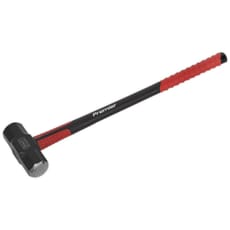
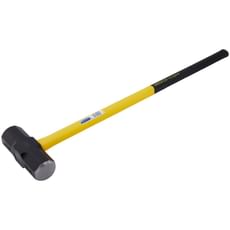
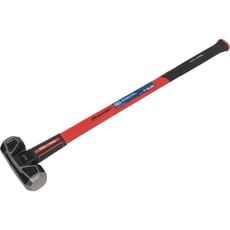
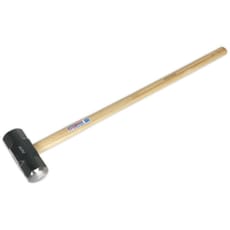

 Loading...
End of content
Error - No more pages to load
About Sledge Hammers
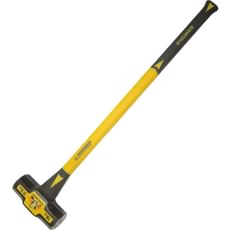
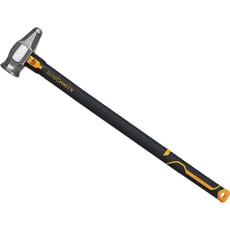
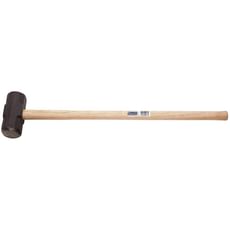
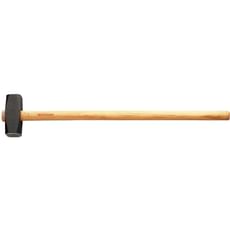
Sledge hammers are heavy-duty striking tools designed to deliver maximum impact force for demolition work, driving stakes, breaking concrete, and other demanding applications. Available in weights ranging from compact mini sledges to full-size 14lb models, these essential tools combine substantial head mass with long handles to generate powerful blows that make light work of tasks requiring brute force. The sledge hammers available from Tooled-Up.com feature construction from high carbon steel heads that are correctly hardened and tempered for durability, paired with handles made from traditional hickory wood, modern fibreglass, or advanced composite materials.
Modern sledge hammer design has evolved significantly, with manufacturers like Draper, Sealey, and Roughneck incorporating technological advances such as shock-absorbing grips, vibration-damping fibreglass cores, and ergonomic handle designs that reduce user fatigue during extended use. Specialist variants include fencing hammers with elongated striking faces for driving posts, short-handled club hammers for confined spaces, and non-sparking models manufactured from copper-beryllium alloys for use in potentially explosive atmospheres.
The range at Tooled-Up includes premium options from brands such as Estwing, Facom, and Faithfull, alongside budget-friendly choices suitable for occasional DIY use. Whether you're a professional groundworker breaking up hardcore, a landscaper installing fence posts, or a demolition contractor taking down walls, selecting the appropriate weight, handle material, and head configuration ensures maximum efficiency and safety on site.
Jargon Buster
- Fibreglass Core Handle: A handle construction featuring a solid fibreglass shaft that provides excellent strength-to-weight ratio whilst absorbing shock and vibration better than traditional wooden handles. This design significantly reduces the jarring impact transmitted to the user's arms and shoulders.
- Forged Head: A hammer head manufactured by heating steel and shaping it under pressure rather than casting. Forged heads offer superior grain structure, greater durability, and reduced risk of chipping or cracking compared to cast alternatives.
- Strike Face: The flattened hitting surface of the hammer head, typically polished and hardened to withstand repeated high-impact blows without deforming. Quality sledge hammers feature bevelled edges to reduce chipping.
- Overstrike Protection: A reinforced collar or shield where the handle meets the head, designed to protect the shaft from damage when strikes miss the target and the handle accidentally contacts the work surface.
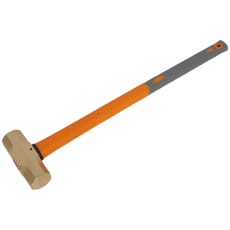
- Non-Sparking: Sledge hammers manufactured from copper-beryllium or aluminium-bronze alloys that will not create sparks upon impact, essential for working in environments where flammable gases or vapours may be present.
- Club Hammer: Also known as a lump hammer, this is a short-handled sledge hammer variant typically weighing 2-4lb, designed for one-handed use in demolition work, masonry, and driving cold chisels.
Who Uses Sledge Hammers?
- Demolition Contractors: Breaking down walls, concrete structures, and removing fixtures during strip-out work
- Groundworkers: Breaking up hardcore, concrete bases, and compacted ground on construction sites
- Landscapers and Fencing Contractors: Driving fence posts, stakes, and ground anchors into various soil types
- Bricklayers and Stonemasons: Breaking bricks, blocks, and stone, plus general demolition tasks
- Highway Maintenance Crews: Installing road signs, bollards, and temporary barriers
- Agricultural Workers: Fence maintenance, driving stakes, and general farm repairs
- Scaffolders: Driving scaffold pins and adjusting framework components
- Metal Workers and Fabricators: Forming, shaping, and striking heavy metalwork
- DIY Enthusiasts: Home renovation projects, patio installation, and general demolition work
- Council Maintenance Teams: Street furniture installation and infrastructure repairs
How to Choose the Right Sledge Hammers
Weight Selection: Sledge hammer heads typically range from 2lb mini sledges up to 14lb full-size models. Heavier hammers deliver greater impact force but require more strength and cause faster fatigue. For most demolition and driving work, 7-10lb models offer the best balance. Choose lighter weights for prolonged use or overhead work, and reserve heavier options for maximum impact applications.
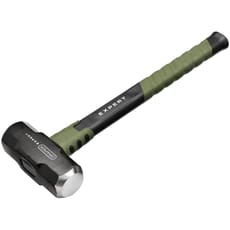
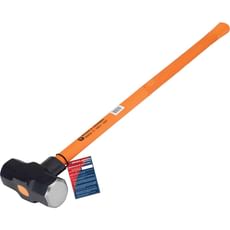
Handle Material: Traditional hickory wooden handles provide excellent shock absorption and a natural feel but can break under extreme use or if left in damp conditions. Fibreglass handles offer superior durability, consistent performance in all weathers, and reduced vibration transmission. Tooled-Up stocks models with solid fibreglass cores and shock-absorbing TPR grips that significantly reduce user fatigue during extended sessions.
Handle Length: Standard sledge hammers feature handles of 800-900mm for two-handed use and maximum leverage. Short-handled versions (typically 350-450mm) work better in confined spaces, trenches, or when working at ground level. Consider your typical working environment when selecting handle length.
Head Quality: Look for heads forged from high carbon steel that have been correctly hardened and tempered. Quality indicators include polished strike faces, bevelled edges to resist chipping, and protective lacquer coatings to prevent rust. Brands like Draper Expert, Facom, and Sealey Premier lines offer professional-grade construction with extended warranties.
Specialist Requirements: For work in potentially explosive atmospheres such as petrochemical facilities or grain stores, non-sparking copper-beryllium sledge hammers are essential safety equipment. Fencing hammers with elongated heads provide better accuracy when driving posts. Consider whether standard or specialist designs best suit your applications.
Popular Accessories
- Safety Goggles and Face Shields: Essential PPE to protect against flying debris and fragments when striking masonry or metal
- Work Gloves: Heavy-duty leather or reinforced synthetic gloves reduce vibration and prevent blisters during prolonged use
- Cold Chisels and Bolsters: Used in conjunction with sledge hammers for splitting masonry and breaking concrete
- Wedges and Splitting Tools: Steel or hardwood wedges driven by sledge hammers for log splitting and stone breaking
- Ground Stakes and Fence Posts: The primary items driven by sledge hammers in landscaping and construction work
- Hearing Protection: Ear defenders or plugs to protect against repetitive impact noise exceeding safe levels
- Tool Storage Solutions: Heavy-duty tool bags, site boxes, or van racking systems to safely transport sledge hammers
- Replacement Handles: Spare hickory or fibreglass handles for refurbishing damaged sledge hammers
Safety Information
Personal Protective Equipment: Always wear appropriate safety goggles or a face shield when using sledge hammers, as striking hard materials can produce high-velocity fragments. Steel toe-capped boots protect feet from dropped tools or falling debris. Heavy-duty work gloves reduce vibration transmission and improve grip security, whilst hearing protection is advisable during prolonged use as repetitive impacts can exceed HSE recommended noise exposure levels.
Pre-Use Inspection: Before each use, inspect the hammer head for cracks, chips, or mushrooming at the striking face. Check that the head is securely fastened to the handle with no movement or looseness. Examine handles for splits, splinters, or damage, particularly in the area immediately below the head where stress is greatest. Never use a damaged sledge hammer as head detachment during the swing presents serious injury risk.
Proper Technique: Maintain a secure, balanced stance with feet shoulder-width apart. Grip the handle firmly with both hands, positioning your dominant hand near the end for maximum leverage. Allow the hammer's weight to do the work rather than forcing blows, using smooth, controlled swings. Clear the work area of bystanders and ensure adequate space for your full swing arc. Take regular breaks to prevent fatigue, which significantly increases accident risk.
Work Environment: Ensure adequate lighting when using sledge hammers and be aware of overhead obstacles or underground services before driving stakes or breaking ground surfaces. When working in potentially explosive atmospheres, use only certified non-sparking tools. Store sledge hammers in a dry location with heads protected to prevent rust and handle degradation.
Frequently Asked Questions
What weight sledge hammer should I choose for fence post driving?
For most fencing work, a 7-10lb sledge hammer provides the optimal balance between impact force and user control. Lighter 4-6lb models suit smaller posts and extended sessions, whilst heavier 12-14lb hammers work best for large diameter posts in hard ground. Consider a dedicated fencing hammer with an elongated striking face for improved accuracy.
Are fibreglass handles better than wooden handles?
Fibreglass handles offer superior durability, consistent performance in all weather conditions, and better vibration damping than traditional wood. They won't rot, shrink, or swell with moisture changes and typically last significantly longer. However, quality hickory handles provide excellent shock absorption and are often preferred by traditionalists. For professional daily use, fibreglass generally represents the better investment.
How do I prevent the hammer head from loosening on wooden handles?
Wooden handles expand and contract with humidity changes, which can cause loosening. Soak wooden-handled sledge hammers overnight in water periodically to swell the wood and maintain a tight fit. Store in consistent temperature environments rather than hot vans or damp sheds. If loosening persists, drive additional wedges into the handle end or consider replacing with a fibreglass-handled model.
Can I use a regular sledge hammer for metalwork and fabrication?
Standard sledge hammers can be used for heavy metalwork, though ensure the head is properly hardened to prevent deformation. For precision metal forming or panel beating, dedicated engineer's hammers with specific face profiles produce better results. Never strike hardened steel tools or surfaces harder than the hammer head itself, as this can cause dangerous chipping.
What maintenance do sledge hammers require?
Regularly inspect heads for damage and handles for cracks or splitting. Keep striking faces clean and lightly oiled to prevent rust. Fibreglass handles require minimal maintenance beyond keeping grip areas clean. Wooden handles benefit from occasional treatment with linseed oil to prevent drying and cracking. Store in dry conditions and never leave sledge hammers outside where moisture can cause deterioration.