

Sliding Bevels

Pay in 3 interest-free payments on purchases from £20-£3000 with  . Learn more.
 Loading...
End of content
Error - No more pages to load
About Sliding Bevels
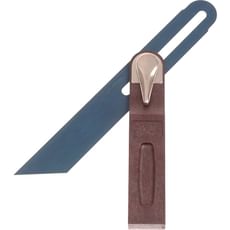
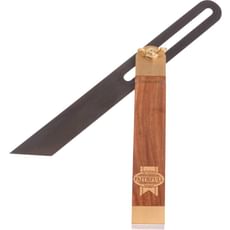
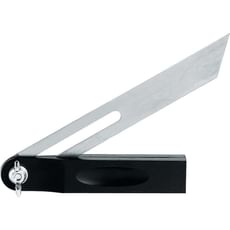
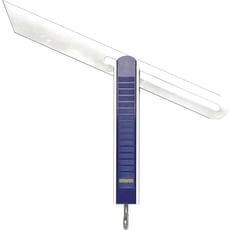
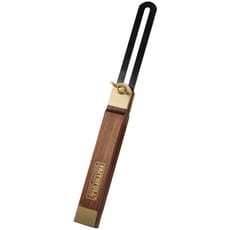
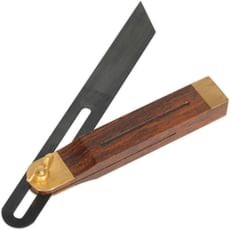
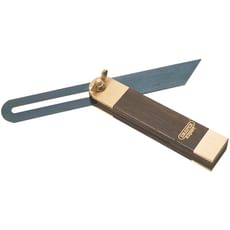
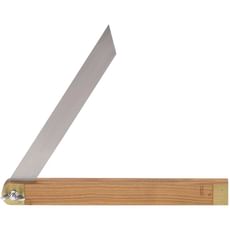
A sliding bevel, also known as a bevel gauge or T-bevel, is an indispensable layout tool for transferring and replicating angles with precision. Unlike protractors that measure angles numerically, a sliding bevel captures and holds any angle between 0 and 180 degrees, allowing tradespeople and DIY enthusiasts to transfer that exact angle to workpieces repeatedly. The tool consists of a handle (or stock) and a slotted blade that pivots and locks at any angle using a secure locking mechanism, making it essential for carpentry, joinery, metalwork, roofing and countless other applications where accurate angle transfer is critical.
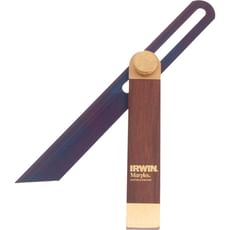
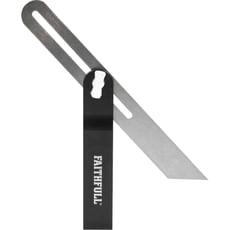
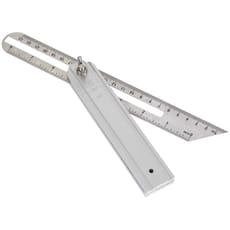
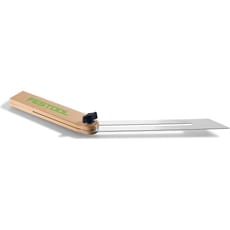
Traditional sliding bevels feature hardwood handles crafted from materials such as rosewood or beech, combined with hardened steel blades that deliver durability and precision over years of use. Modern variations include aluminium construction for reduced weight on site work, and heavy-duty CNC-machined models that offer enhanced accuracy for professional cabinet making and fine furniture work. Blade lengths typically range from 150mm to 300mm, with most general-purpose models settling around 200mm to 250mm, providing versatility for both detailed joinery and larger construction projects.
Whether you're cutting compound mitres, matching existing angles during renovation work, setting table saw bevels, or determining roof pitch, these tools eliminate guesswork and ensure consistent, accurate results. Tooled-Up.com stocks trusted models from manufacturers including Bahco, Draper, Faithfull, Stanley, Irwin, Marples and Hultafors, offering options for every budget and application from demanding site work to precision furniture making.
Jargon Buster
- Stock: The handle or body of the sliding bevel that you hold when setting and using the tool. Traditionally manufactured from hardwood, modern versions may feature aluminium or composite materials for lighter weight and weather resistance on building sites.
- Blade: The slotted metal arm that pivots and locks at various angles. Quality blades are manufactured from hardened and tempered steel with permanent markings, remaining flat without warping even after extensive use.
- Lock Nut/Locking Mechanism: The adjustable fastener (typically a wing nut, lever or knurled screw) that secures the blade at the desired angle. A quality locking mechanism should hold firmly without slipping, even during repeated marking operations.
- T-Bevel: An alternative name for a sliding bevel, referring to the distinctive T-shaped profile visible when viewed from certain angles. The terms are completely interchangeable in the trade.
- Bevel Angle: Any angle that differs from 90 degrees (square). Sliding bevels are specifically designed to capture and transfer these non-square angles accurately across multiple workpieces.
- Reference Edge: The straight edge of the stock that sits flush against your workpiece or reference surface when measuring or marking angles. This edge must remain perfectly straight for accurate angle transfer.
Who Uses Sliding Bevels?
Sliding bevels are fundamental tools across numerous trades and applications:
- Carpenters and Joiners: Cutting roof rafters, setting compound mitres, staircase work, and transferring complex angles in joinery and framing
- Cabinetmakers and Furniture Makers: Matching angles in fine woodwork, setting table saw and mitre saw bevels, creating decorative chamfers and angled joinery
- Roofers: Determining roof pitch angles, cutting hip and valley rafters, measuring existing roof angles for extensions and conversions
- Metal Fabricators: Setting angles on cutting equipment, transferring measurements to metalwork, checking welded joints for accuracy
- Stonemasons: Measuring and transferring angles for stone cuts, ensuring consistent angles in masonry work and decorative stonework
- Shopfitters: Creating angled displays, matching existing fixtures, installing shelving and display units at non-standard angles
- Timber Frame Builders: Setting complex joinery angles, measuring and cutting braces, ensuring structural accuracy
- DIY Enthusiasts: Home renovation projects, building garden structures, creating angled cuts for decking, fencing and shed construction
How to Choose the Right Sliding Bevels
Blade Length: Consider the scale of work you typically undertake. Blades ranging from 150mm to 200mm suit fine woodwork, instrument making and small joinery projects, whilst 250mm to 300mm blades are better for construction work and large timber sections. A 200mm blade offers the best all-round versatility for most carpentry and joinery applications.
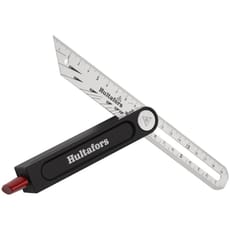
Handle Material: Hardwood handles such as rosewood or beech provide traditional appeal, excellent grip and durability, making them ideal for workshop use. Aluminium models from brands like Hultafors offer lighter weight for site work where you're carrying tools throughout the day. Consider your working environment – hardwood performs excellently in heated workshops, whilst aluminium won't be affected by moisture or temperature fluctuations on building sites.
Construction Quality: Professional-grade models from Bahco, Marples and Facom feature precision-machined components, robust locking mechanisms and hardened steel blades that maintain accuracy over thousands of adjustments. Budget options from Draper and Sealey provide excellent value for occasional users or apprentices starting out. CNC-manufactured bevels offer the tightest tolerances for fine furniture work and demanding joinery.
Locking Mechanism: Wing nuts are traditional and allow tool-free adjustment, but can work loose over extended use. Lever locks and knurled screws provide more secure holding power for repeated marking operations. Test the locking action before purchase – it should tighten firmly without excessive force and hold the blade absolutely rigid once locked, even when pressure is applied during marking.
Blade Quality: Look for blades manufactured from hardened and tempered steel that won't bend or distort under normal use. The blade should sit perfectly flat against surfaces without gaps or warping. Clear, permanent markings etched into the blade help with quick visual reference, though you'll typically be transferring angles rather than measuring them numerically.
Popular Accessories
- Combination Squares: Work alongside sliding bevels for setting and checking 90-degree and 45-degree angles before transferring custom angles to workpieces
- Digital Angle Finders: Measure an angle numerically with precision, then set your sliding bevel to match for transferring to multiple workpieces with consistency
- Marking Knives: Create precise scribe lines along the blade edge for accurate cutting lines on timber, MDF and other materials
- Engineer's Squares: Essential for establishing true 90-degree reference surfaces before measuring compound angles or setting up machinery
- Protractors: Useful for setting specific angles on your sliding bevel when you know the numerical value required for the project
- Carpenter's Pencils and Marking Tools: Quality marking pencils or mechanical pencils for marking along the blade edge when scribing cutting lines
- Tool Rolls and Storage: Protect your sliding bevel from workshop impacts and keep the blade straight during transport between site and workshop
Frequently Asked Questions
What's the difference between a sliding bevel and an adjustable set square?
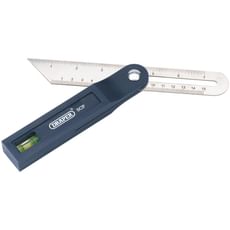
An adjustable set square typically includes measurement markings and may have preset common angles (45°, 30°, 60°), whilst a traditional sliding bevel simply captures and transfers any angle without numerical measurement. Both are useful tools, but sliding bevels offer unlimited angle options and a more compact design for traditional woodworking. Adjustable set squares like the Sealey AK7101 can be particularly helpful when you need to set specific angles repeatedly.
How do I maintain my sliding bevel?
Keep the blade clean and free from sawdust, resin and debris, particularly in the slot where the blade pivots. Occasionally apply a light machine oil to metal components to prevent rust, especially if working in damp conditions. Ensure the locking mechanism moves freely but tightens securely – if it becomes stiff, clean the threads and apply a small amount of lubrication. Check that the blade remains perfectly flat – if it becomes bent, replacement is usually necessary as straightening rarely restores full accuracy. Store in a dry location, preferably in a tool roll or box to protect from impacts that could damage the blade or locking mechanism.
Can I use a sliding bevel with a mitre saw or table saw?
Absolutely – this is one of their primary uses in carpentry and joinery. Capture the angle you need to cut using the sliding bevel, then hold it against your saw's angle gauge or bevel adjustment to set the blade to exactly the same angle. This eliminates trial and error when matching existing angles in renovation work or transferring measurements from site to workshop, ensuring consistent cuts across multiple workpieces.
Are expensive sliding bevels worth the investment?
For professional tradespeople who use the tool daily, premium models from brands like Bahco, Marples or Facom available at Tooled-Up.com offer superior accuracy, more robust construction and longer service life. The locking mechanisms maintain their grip better over thousands of adjustments, and the blades are less likely to develop play or warping. For occasional DIY use or apprentices, mid-range options from Stanley, Faithfull or Draper provide excellent value and adequate accuracy for most applications.
What size sliding bevel do I need?
A 200mm blade length suits most general carpentry, joinery and DIY applications, offering versatility for both detailed work and standard construction tasks. Choose 250mm or longer if you regularly work with large timber sections, roof work or construction framing. Smaller 150mm models are ideal for fine furniture making, instrument building or detailed joinery where larger tools would be cumbersome and difficult to manoeuvre. Many professionals keep multiple sizes for different applications, switching between them as projects demand.