

Slip Stones
Pay in 3 interest-free payments on purchases from £30-2000 with  . Learn more.
 Loading...
End of content
Error - No more pages to load
About Slip Stones
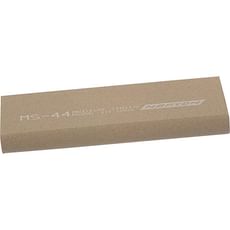
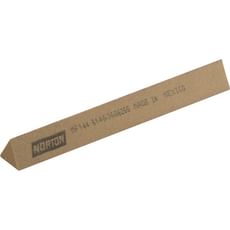
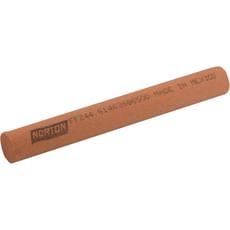
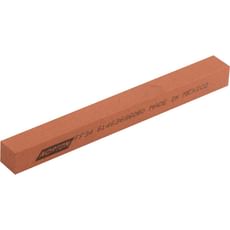
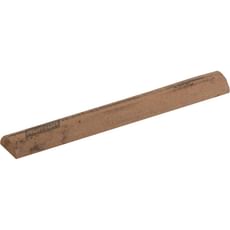
Slip stones are specialised sharpening stones designed with shaped profiles to sharpen the inside edges and curved surfaces of woodworking tools that standard flat bench stones cannot reach. These precision abrasive tools feature distinctive shapes including round, half-round, triangular, and square profiles, making them indispensable for maintaining gouges, V-tools, lathe chisels, and other profiled cutting implements. Manufactured from aluminium oxide abrasive, slip stones deliver consistent cutting action that restores razor-sharp edges to even the most intricate tool geometries.
The slip stones available from Tooled-Up.com are predominantly Norton India stones, which represent the professional standard for workshop sharpening. These medium-grade stones strike an ideal balance between material removal and surface finish, allowing craftsmen to efficiently restore cutting edges whilst imparting a uniform finish suitable for precision work. Beyond edge sharpening, slip stones excel at deburring, chamfering, and radiusing operations on precision-machined components, making them equally valuable in tool and die manufacturing environments.
Each slip stone profile serves a specific purpose: round stones access the inside of U-shaped gouges, triangular stones fit V-parting tools and acute angles, square stones handle rectangular recesses and mortise chisel corners, whilst half-round profiles offer versatility for both concave and convex surfaces. This variety of shapes ensures that regardless of your tool configuration, Tooled-Up stocks the appropriate slip stone to maintain optimal cutting performance.
Jargon Buster
- Aluminium Oxide: A synthetic abrasive material known for its hardness and durability. Aluminium oxide stones cut reliably and remain effective longer than natural alternatives, making them the preferred choice for professional applications.
- Grit Grade: The coarseness of the abrasive surface, typically classified as coarse, medium, or fine. Medium-grade stones are most versatile for general sharpening and finishing work.
- Slip Stone Profile: The cross-sectional shape of the stone (round, triangular, square, half-round) designed to match the internal geometry of the tool being sharpened.
- Stone File: An alternative term for shaped slip stones, particularly those used for deburring and finishing operations in metalworking rather than woodworking tool sharpening.
- Deburring: The process of removing sharp edges, ridges, or raised material left after machining or grinding operations. Slip stones excel at accessing difficult-to-reach areas for deburring work.
- Honing: The fine sharpening process that follows initial grinding, using progressively finer abrasives to achieve a polished, sharp edge with optimal cutting geometry.
Who Uses Slip Stones?
- Woodturners: Essential for maintaining bowl gouges, spindle gouges, and specialist turning tools with curved profiles
- Carpenters and Joiners: Keep carving chisels, gouges, and profiled hand tools in peak condition
- Cabinet Makers: Maintain the precision edges required for fine furniture work and detailed joinery
- Tool and Die Makers: Use slip stones for finishing precision components and maintaining cutting tools
- Pattern Makers: Sharpen specialist carving and shaping tools for creating moulds and patterns
- Model Makers: Keep miniature gouges and detailed carving implements razor-sharp
- Wood Carvers: Maintain the diverse range of gouges, V-tools, and specialist carving chisels essential to their craft
- Engineering Machinists: Deburr and finish machined components in hard-to-reach recesses and profiles
- DIY Enthusiasts: Maintain woodworking tools for home workshop projects and restoration work
How to Choose the Right Slip Stones
Match the Profile to Your Tools: The fundamental consideration is selecting a slip stone profile that corresponds to your tool geometry. Round stones suit U-shaped and fingernail-ground bowl gouges, triangular profiles fit V-parting tools and tight acute angles, square stones access rectangular mortises and corners, whilst half-round stones offer the greatest versatility for mixed tool collections.
Consider the Grit Grade: Medium-grade slip stones provide the best all-round performance for most sharpening tasks, removing material efficiently whilst leaving a finish suitable for immediate use. If you maintain tools regularly, a medium stone may be all you require. For badly damaged edges, consider supplementing with a coarser stone, then progressing to medium for the final edge.
Size and Dimensions: Slip stones typically range from 4 to 6 inches in length. Ensure the stone dimensions suit the size of tools you'll be sharpening – larger turning gouges require substantial stones, whilst delicate carving tools work better with smaller, more manoeuvrable profiles.
Material Quality: Norton India stones represent professional-grade quality with consistent abrasive performance. These aluminium oxide stones maintain their cutting characteristics throughout their working life and deliver predictable results essential for precision work.
Complete Your Set: Rather than purchasing individual stones reactively, consider acquiring a set covering the primary profiles you'll need. This ensures you're never prevented from sharpening a tool properly due to lacking the appropriate stone shape.
Popular Accessories
- Honing Oil: Essential lubricant that prevents stone clogging and extends slip stone life whilst improving cutting performance
- Bench Stones: Flat sharpening stones for establishing primary bevels before finishing with slip stones
- Diamond Files: Complementary sharpening tools for extremely hard materials or rapid stock removal
- Tool Rests and Jigs: Maintain consistent angles when sharpening, particularly useful for beginners
- Stone Cleaning Blocks: Remove embedded metal particles and refresh cutting surfaces
- Protective Storage Cases: Prevent damage to slip stones and keep them organised in workshop environments
- Leather Strops: Final polishing step after slip stone honing for ultimate edge refinement
- Magnifying Loupes: Inspect edge quality and detect remaining burrs after sharpening
Safety Information
Whilst slip stones present minimal safety hazards compared to power tools, observe these precautions for safe operation. Always secure the workpiece or tool being sharpened in a vice or suitable holding device – never attempt to sharpen tools held only in your hand, as slippage can result in cuts from the freshly sharpened edge. Maintain awareness of your hand positions, keeping fingers clear of the cutting edge and stone direction of travel.
Work in well-lit conditions to clearly see the edge being sharpened and maintain proper technique. If using honing oil, prevent slippery surfaces that could cause tools or stones to slip unexpectedly. Clean up oil spills immediately. Store slip stones securely to prevent them falling from benches or shelves, as dropped stones may shatter or chip. Always wear safety glasses when sharpening to protect eyes from metal particles, particularly when working with engineering components rather than woodworking tools. Keep sharpened tools properly stored with edge guards to prevent accidental contact.
Frequently Asked Questions
Do slip stones require oil or water for use?
Norton India slip stones perform best with honing oil, which acts as a lubricant and prevents the stone pores from clogging with metal particles. The oil floats away swarf whilst reducing friction and heat generation. After use, wipe stones clean but avoid washing with detergent, as this can affect oil absorption during subsequent use.
How do I prevent my slip stone from clogging?
Consistent use of honing oil is the primary preventative measure. Apply a few drops before commencing work and add more as needed during sharpening. If a stone becomes glazed or clogged despite proper lubrication, clean it with white spirit or a specialist stone cleaning solution, then use a stone cleaning block to refresh the abrasive surface.
Can I use the same slip stone for different tool sizes?
Yes, provided the stone profile matches the tool geometry. A single round slip stone can sharpen various sizes of bowl gouges, from small detail tools to large roughing gouges. However, very small tools may require proportionally smaller stones for proper access, whilst extremely large tools work more efficiently with larger stones that cover more surface area per stroke.
How often should I sharpen my carving tools and gouges?
Sharpen tools whenever you notice decreased cutting performance – wood fibres tearing rather than cutting cleanly, increased effort required, or burnished rather than shaved surfaces. Professional woodturners often touch up edges every 15-30 minutes during intensive work. Regular light maintenance with slip stones is preferable to infrequent heavy sharpening sessions, as it preserves tool geometry and requires less material removal.
What's the difference between slip stones and needle files?
Despite superficial similarity in shape, slip stones and needle files serve different purposes. Slip stones are abrasive sharpening tools specifically designed for honing cutting edges on chisels, gouges, and blades. Needle files are metalworking tools with defined tooth patterns for shaping and smoothing metal, not for sharpening. Using needle files on cutting tools will damage rather than sharpen the edge.