

Slogging Wrenches
Pay in 3 interest-free payments on purchases from £30-2000 with  . Learn more.
 Loading...
End of content
Error - No more pages to load
About Slogging Wrenches
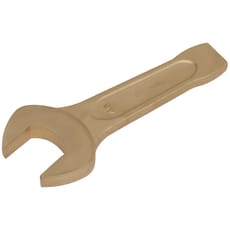
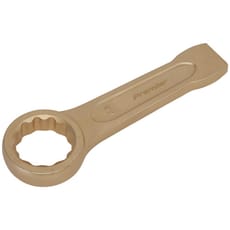
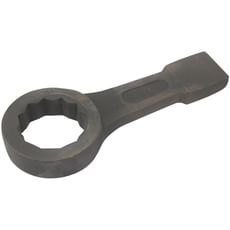
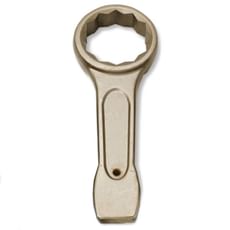
Slogging wrenches, also known as striking spanners or strike wrenches, are heavy-duty hand tools designed to be struck with a hammer or mallet to loosen stubborn, seized, or over-torqued fasteners. Unlike standard spanners, these robust tools feature a reinforced striking face at the opposite end to the jaw, allowing tradespeople to apply significant force without damaging the tool or risking injury. Manufactured from hardened carbon steel and typically finished with black phosphate or chrome plating for corrosion resistance, slogging wrenches are essential when conventional spanners simply won't provide enough leverage.
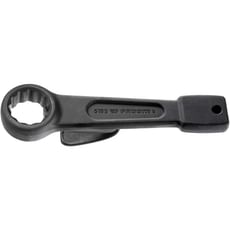
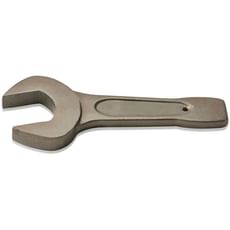
The range available at Tooled-Up.com includes both open-ended and ring slogging spanners in metric and imperial sizes, with options from trusted brands including Facom, Sealey, Draper, and Sirius. Ring slogging spanners provide a more secure grip around the fastener head, reducing the risk of rounding off bolt corners, whilst open-ended versions offer faster engagement in confined spaces. Specialist variants include non-sparking models for hazardous environments and safety slogging spanners with locking mechanisms that secure the tool to the fastener, eliminating the need to hold the wrench whilst striking.
These industrial-strength tools are indispensable across automotive repair, heavy machinery maintenance, construction, and any application where fasteners have become corroded, thread-locked, or simply refuse to budge with standard tools. The flat pattern design and extended handle length provide the necessary reach and leverage, whilst the hardened striking face withstands repeated hammer blows without mushrooming or splitting.
Jargon Buster
- Slogging Face
- The reinforced, flat striking surface at the opposite end of the wrench to the jaw, specifically engineered to withstand hammer blows without damage or deformation.
- Black Phosphate Finish
- A corrosion-resistant coating applied to carbon steel tools that provides a dark, durable surface whilst maintaining dimensional accuracy. Also helps prevent glare in bright working conditions.
- DIN 7444 Standard
- German industrial standard specifying the dimensions, tolerances, and manufacturing requirements for slogging spanners, ensuring consistent quality and compatibility across manufacturers.
- Non-Sparking
- Tools manufactured from copper-beryllium or aluminium-bronze alloys that won't generate sparks when struck, essential for work in potentially explosive atmospheres or around flammable materials.
- Ring Pattern
- A closed-loop design that completely encircles the fastener head, providing superior grip and reduced risk of slippage compared to open-ended designs.
- Hardened and Tempered
- Heat treatment process that increases the tool's hardness and strength whilst maintaining sufficient flexibility to prevent brittleness and cracking under impact.
Who Uses Slogging Wrenches?
- Vehicle Mechanics and Automotive Technicians – removing seized brake caliper bolts, suspension components, and exhaust system fasteners
- Heavy Plant Engineers – maintaining construction equipment, agricultural machinery, and industrial plant where fasteners are subject to extreme conditions
- Marine Engineers – working with corroded fasteners on boats, ships, and offshore installations exposed to saltwater
- Agricultural Mechanics – servicing tractors, harvesters, and farm equipment where mud, moisture, and chemical exposure cause seized fasteners
- Steel Erectors and Construction Workers – assembling structural steelwork and dealing with site-installed bolts that require significant force
- Maintenance Fitters – general industrial maintenance where standard spanners lack the necessary impact capability
- Commercial Vehicle Technicians – servicing HGVs, buses, and commercial fleets with larger, more stubborn fasteners
- Railway Engineers – maintaining rolling stock and track infrastructure with heavy-duty fastenings
How to Choose the Right Slogging Wrenches
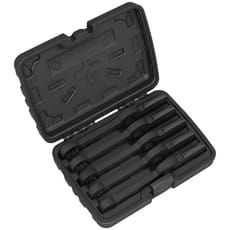
Size Range: Consider the fastener sizes you encounter most frequently. Metric sizes typically range from 19mm to 55mm, whilst imperial versions cover common AF (Across Flats) dimensions. Sets like the Sealey 5 Piece Brake Caliper Slogging Spanner Set provide comprehensive coverage for specific applications.
Open-Ended vs Ring Pattern: Ring slogging spanners offer superior grip and are less likely to slip or round off fastener corners, making them ideal for severely corroded bolts. Open-ended versions provide faster access in restricted spaces and can engage fasteners from the side. Tooled-Up stocks both configurations to suit different working scenarios.
Material and Finish: Standard carbon steel tools with black phosphate finish suit most general applications. For petrochemical plants, refineries, or anywhere flammable vapours are present, non-sparking copper-beryllium or aluminium-bronze models are essential safety requirements.
Handle Length: Longer handles provide greater leverage and keep hands further from the striking zone. Check the overall length specification to ensure the tool fits your workspace whilst delivering sufficient mechanical advantage.
Safety Features: The Facom 51BS Safety Slogging Spanner features a patented locking mechanism that grips the fastener securely, allowing you to remove your hand before striking. This significantly reduces injury risk and is worth considering for regular heavy-duty applications.
Brand Quality: Premium brands like Facom offer lifetime guarantees and superior metallurgy, whilst Sealey, Draper, and Sirius provide excellent value for professional-grade tools. All brands available from Tooled-Up meet relevant British and European manufacturing standards.
Popular Accessories
- Engineer's Hammers – ball pein and club hammers specifically designed for striking slogging wrenches without damage
- Dead Blow Hammers – reduced rebound design minimises vibration and provides more controlled striking force
- Penetrating Oil – WD-40, Plus Gas, or specialist releasing fluids to help free seized threads before applying force
- Wire Brushes – for cleaning fastener heads and removing surface corrosion before attempting removal
- Socket Sets – complementary tools for fasteners that respond better to impact sockets and breaker bars
- Safety Goggles – essential PPE to protect against flying rust, debris, or metal fragments during striking
- Work Gloves – heavy-duty protective gloves to shield hands from sharp edges and vibration
- Tool Rolls and Storage – organised storage solutions to protect spanners and maintain your workshop organisation
Safety Information
Personal Protective Equipment: Always wear approved safety goggles or face protection when using slogging wrenches, as striking can dislodge rust, scale, or metal fragments. Heavy-duty work gloves protect against sharp edges, though remove your hand from the wrench before striking if not using a safety model with locking mechanism.
Inspect Before Use: Examine the striking face for mushrooming, cracks, or deformation before each use. Damaged striking faces can splinter when hit, creating dangerous projectiles. Never use a slogging wrench with a damaged jaw or striking surface.
Correct Striking Tool: Use only appropriate engineer's hammers or dead blow mallets – never use a claw hammer or other unsuitable striking tools. Ensure the hammer face is in good condition without cracks or chips.
Stable Positioning: Ensure the workpiece is securely supported and the fastener is fully engaged in the wrench jaw before striking. Slippage during impact can cause injury or damage surrounding components.
Controlled Force: Apply measured, controlled strikes rather than excessive force. If a fastener won't move after several firm blows, apply more penetrating oil and allow time for it to work, or consider alternative removal methods like heat application.
Hazardous Environments: In potentially explosive atmospheres or areas with flammable vapours, use only certified non-sparking tools and follow your site's specific COSHH and HSE guidelines for hot work permits.
Frequently Asked Questions
What's the difference between a slogging wrench and a regular spanner?
A slogging wrench features a reinforced striking face designed to withstand hammer blows, allowing you to apply significantly more force than manual effort alone. Standard spanners lack this striking capability and can crack, split, or deform if hit with a hammer, potentially causing injury.
Can I use any hammer with a slogging wrench?
Use only engineer's hammers (ball pein or club hammers) or dead blow mallets specifically designed for striking tools. Claw hammers, roofing hammers, or other specialist hammers can damage both the striking face and the hammer itself. A 2-3lb engineer's hammer provides sufficient force for most applications.
Should I choose open-ended or ring slogging spanners?
Ring slogging spanners provide superior grip and are less likely to slip or round off fastener corners, making them ideal for severely seized bolts. However, open-ended versions offer faster engagement and can access fasteners from the side in confined spaces. Many professionals keep both types for different scenarios.
Are imperial or metric sizes more useful?
This depends entirely on the equipment you work with. Modern European and Asian machinery uses metric fasteners, whilst older British equipment and American-made machinery often use imperial (AF) sizes. Check your most common fastener sizes before purchasing, or consider a mixed set for versatile coverage.
Do I need non-sparking slogging wrenches?
Non-sparking tools manufactured from copper-beryllium or aluminium-bronze alloys are mandatory in environments where flammable gases, vapours, or combustible dust are present, including petrochemical facilities, refineries, grain elevators, and paint shops. For general workshop use, standard carbon steel tools are perfectly adequate and more economical.