

Smooth Gloss Top Coat Paints

Pay in 3 interest-free payments on purchases from £20-£3000 with  . Learn more.
 Loading...
End of content
Error - No more pages to load
About Smooth Gloss Top Coat Paints
Smooth gloss top coat paints deliver a professional, high-shine finish on metal surfaces, providing both aesthetic appeal and robust protection against corrosion, weathering and everyday wear. These specialist coatings are formulated to create a durable, mirror-like gloss that resists chipping, fading and moisture penetration, making them ideal for both interior and exterior metalwork projects. From railings and gates to machinery and architectural metalwork, smooth gloss finishes enhance appearance while extending the life of metal substrates.
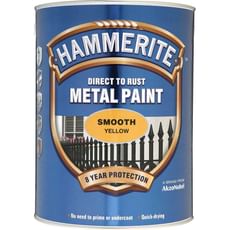
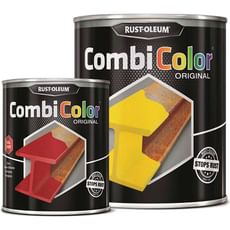
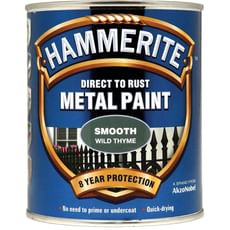
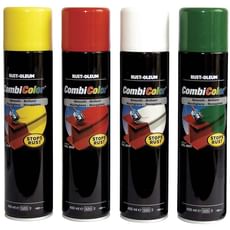
The range available from Tooled-Up.com includes advanced formulations from trusted brands like Hammerite and Rust Oleum, with options for direct-to-rust application, metal spray paints and multi-purpose metal protection systems. Many modern smooth gloss top coats incorporate corrosion inhibitors and require no separate primer or undercoat, streamlining the painting process and reducing both preparation time and material costs. These products typically offer touch-dry times of just one to two hours, allowing for faster project completion without compromising on durability or finish quality.
Whether you're restoring vintage metalwork, protecting industrial equipment or finishing new fabrications, smooth gloss top coat paints provide a versatile solution that combines visual impact with long-lasting protective properties. Available in brush-on and spray formats, these coatings suit different application methods and project scales, from detailed restoration work to large-area coverage on commercial installations.
Jargon Buster
- Direct-to-Rust: Paint formulation that can be applied directly onto rusted metal surfaces without prior rust removal or separate primer application, saving preparation time whilst still providing effective corrosion protection.
- Metal Protection Paint: Specialist coating system designed specifically for ferrous and non-ferrous metals, incorporating rust inhibitors and moisture barriers to prevent corrosion and oxidation beneath the paint film.
- Touch-Dry Time: The period required for the paint surface to dry sufficiently that it won't be marked by light contact, typically ranging from one to four hours depending on temperature, humidity and film thickness.
- Top Coat: The final decorative and protective layer in a paint system, designed to provide the desired finish (gloss, satin or matt) and act as the primary barrier against environmental damage.
- Corrosion Inhibitor: Chemical additives within metal paint formulations that actively prevent rust formation by creating a protective barrier and neutralising moisture and oxygen at the metal surface.
- Spray Application: Aerosol delivery method that provides even coverage and smooth finish on complex shapes and hard-to-reach areas, particularly useful for intricate metalwork and awkward angles.
Who Uses Smooth Gloss Top Coat Paints?
- Metal Fabricators and Welders: For finishing newly fabricated gates, railings, balustrades and structural metalwork with protective gloss coatings
- Maintenance Engineers: Protecting and refurbishing industrial machinery, equipment housings and metal fixtures in factories and commercial facilities
- Painters and Decorators: Applying professional gloss finishes to metal radiators, pipes, guttering and architectural metalwork in residential and commercial properties
- Facilities Managers: Maintaining and protecting metal infrastructure including handrails, fire escapes, bollards and external metalwork
- Automotive and Agricultural Engineers: Refinishing and protecting vehicle components, trailers, farm equipment and metal implements
- Property Developers and Landlords: Refurbishing railings, gates and metal fixtures to improve kerb appeal and protect investments
- DIY Enthusiasts: Restoring garden furniture, gates, garage doors and household metal items with durable, attractive finishes
- Heritage Restoration Specialists: Refinishing historic metalwork whilst maintaining period-appropriate gloss finishes
How to Choose the Right Smooth Gloss Top Coat Paints
Surface Condition: Assess whether your metal surface is rusty, previously painted or bare. Direct-to-rust formulations like Hammerite eliminate the need for extensive preparation, whilst bare metal may require primers unless using combination products. Consider the level of rust present and whether conversion or removal is necessary.
Application Method: Choose between brush-on paints for larger flat surfaces and controlled application, or aerosol spray formats for intricate metalwork, awkward angles and fast coverage. Tooled-Up stocks both application types to suit different project requirements and personal preferences.
Interior or Exterior Use: Verify the paint's suitability for your intended location. Exterior formulations offer enhanced UV resistance and weatherproofing, whilst some products perform equally well in both environments. Consider exposure to moisture, temperature fluctuations and direct sunlight.
Drying and Recoat Times: Evaluate project timescales against touch-dry and recoat intervals. Products offering one-hour touch-dry times enable faster project completion, particularly important for commercial work or time-sensitive refurbishments where downtime must be minimised.
Colour Selection: Most smooth gloss metal paints are available in classic colours including black, white, silver and various traditional shades. Consider how the finish will complement surrounding décor or corporate colour schemes, and verify colour availability before commencing large projects.
Coverage and Quantity: Calculate the surface area requiring coverage and check manufacturer specifications for coverage per litre or tin. Account for multiple coats where recommended, and consider purchasing slightly more than calculated to ensure consistent batch colour matching.
Popular Accessories
- Paint Brushes and Rollers: Quality synthetic brushes designed for smooth application of gloss paints without brush marks
- Wire Brushes and Scrapers: For surface preparation, loose rust removal and cleaning before paint application
- White Spirit and Thinners: For brush cleaning, paint thinning and surface preparation
- Masking Tape and Sheeting: Protecting adjacent surfaces during painting and achieving clean, professional edges
- Sandpaper and Abrasives: Various grits for surface keying, rust removal and inter-coat preparation
- Dust Sheets and Drop Cloths: Protecting floors and surrounding areas from paint splashes and overspray
- Paint Kettles and Scuttles: For decanting paint and enabling controlled application with brushes
- Protective Gloves and Overalls: PPE for safe handling of paints and solvents during application
Safety Information
Always work in well-ventilated areas when applying smooth gloss metal paints, particularly when using spray formats or working with solvent-based products. Ensure adequate fresh air circulation to prevent the accumulation of potentially harmful vapours. When spraying, consider using respiratory protection rated for organic vapours in accordance with HSE guidance.
Wear appropriate personal protective equipment including chemical-resistant gloves, protective eyewear and suitable clothing to prevent skin contact with wet paint. Many metal paints contain solvents and chemical additives that may cause skin irritation or sensitisation with prolonged exposure.
Store paints securely away from heat sources, naked flames and direct sunlight in cool, dry conditions. Keep containers tightly sealed when not in use and ensure they're stored out of reach of children. Dispose of empty containers and waste materials in accordance with local authority regulations and COSHH requirements for chemical waste.
Consult product safety data sheets before use, particularly when working with direct-to-rust formulations that may contain corrosion inhibitors and active chemical components. Follow manufacturer guidance on minimum application temperatures and drying conditions to ensure proper curing and optimal protective properties.
Frequently Asked Questions
Do I need to remove all rust before applying smooth gloss metal paint?
This depends on the product formulation. Direct-to-rust paints like Hammerite can be applied over light to moderate rust after removing loose material with a wire brush. However, for best results and maximum durability, remove heavily flaking rust and ensure the surface is clean and dry. Traditional top coats require complete rust removal and priming before application.
How long does smooth gloss metal paint take to fully cure?
Whilst most smooth gloss metal paints are touch-dry within one to two hours, full curing typically takes seven to fourteen days depending on temperature and humidity. The surface can usually withstand light use after twenty-four hours, but avoid heavy abrasion or chemical exposure during the full curing period to ensure optimal durability and protective properties.
Can I apply smooth gloss paint over previously painted metal?
Yes, provided the existing paint is sound, clean and properly keyed. Remove any flaking or peeling paint, lightly sand the surface to provide adhesion, clean thoroughly with white spirit, and allow to dry completely. If the existing coating is heavily degraded or incompatible, complete removal may be necessary for reliable adhesion.
What's the difference between metal spray paint and brush-on formulations?
Spray paints offer fast coverage, excellent finish on complex shapes and minimal brush marks, making them ideal for intricate metalwork and awkward areas. Brush-on formulations provide better control for edges, allow thicker film build-up and are more economical for large flat surfaces. Both deliver similar protective properties when correctly applied.
How many coats of smooth gloss top coat paint do I need?
Most applications require two coats for optimal coverage and protection, with the first coat acting as a foundation and the second providing full colour depth and gloss level. On bare or porous surfaces, a third coat may improve finish quality and durability. Always follow manufacturer recommendations for recoat times between applications to ensure proper adhesion.