

Smooth Satin Top Coat Paints
Pay in 3 interest-free payments on purchases from £30-2000 with  . Learn more.
 Loading...
End of content
Error - No more pages to load
About Smooth Satin Top Coat Paints
Smooth satin top coat paints deliver a contemporary, low-sheen finish that sits perfectly between matt and gloss, offering both aesthetic appeal and practical durability. These versatile coatings are formulated to provide excellent coverage and protection across various surfaces including metal, wood, and masonry. The satin finish is particularly popular for modern interiors and exteriors, as it provides a subtle lustre that's easy to clean whilst being less reflective than traditional gloss paints, making it ideal for hiding minor surface imperfections.
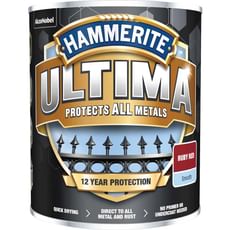
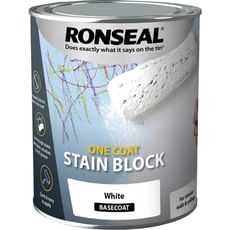
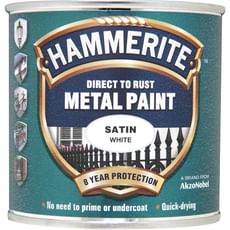
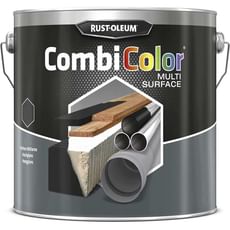
Tooled-Up.com stocks a comprehensive range of smooth satin top coat paints from leading manufacturers including Hammerite, Rust Oleum, and Ronseal. Many of these products feature advanced formulations such as direct-to-rust application, eliminating the need for primers and undercoats, which significantly reduces preparation time and labour costs. Whether you're protecting exterior metalwork from corrosion, refreshing interior woodwork, or requiring a multi-surface solution for mixed material projects, these professional-grade coatings combine durability with an attractive, contemporary finish.
Modern satin finishes offer exceptional performance characteristics including excellent adhesion, quick drying times, and long-lasting protection against moisture, weathering, and everyday wear. Many formulations now incorporate anti-corrosive properties and stain-blocking technology, making them particularly suitable for challenging applications such as previously rusted metal surfaces, water-stained ceilings, and high-traffic areas requiring frequent cleaning.
Jargon Buster
- Direct-to-Rust: A paint formulation that can be applied directly onto rusted metal surfaces without the need for rust removal, primer, or undercoat. This technology saves significant preparation time whilst providing effective corrosion protection.
- Touch Dry Time: The period required for the paint surface to become dry enough that it won't transfer when lightly touched. This is typically shorter than the full recoat time, which indicates when a second coat can be safely applied.
- Coverage Rate: Measured in square metres per litre, this indicates how much surface area a given volume of paint will cover. Actual coverage depends on surface porosity, texture, and application method.
- One Coat Coverage: High-opacity paint formulations designed to provide complete colour coverage and finish in a single application, though two coats may still be recommended for optimal durability and appearance.
- Stain Block: A paint property that prevents underlying stains, discolouration, or tannin bleed from showing through the topcoat. Essential when covering water stains, nicotine damage, or high-tannin woods.
- Multi-Surface Formula: Paint designed to adhere to various substrates including metal, wood, plastic, and masonry without requiring different primers or undercoats for each material type.
Who Uses Smooth Satin Top Coat Paints?
- Professional Painters and Decorators: For residential and commercial projects requiring a modern, low-sheen finish
- Maintenance Engineers: Protecting and refinishing industrial metalwork, machinery housings, and structural steelwork
- Property Maintenance Teams: Renovating and protecting building exteriors, railings, gates, and architectural metalwork
- Shop Fitters and Retail Contractors: Creating durable, attractive finishes in commercial environments
- Metalworkers and Fabricators: Applying protective and decorative finishes to fabricated components and structures
- Joiners and Carpenters: Finishing interior and exterior woodwork with contemporary satin aesthetics
- DIY Enthusiasts: Undertaking home improvement projects including furniture restoration, garden metalwork, and interior decoration
- Heritage and Restoration Specialists: Protecting historic metalwork whilst maintaining authentic appearance
How to Choose the Right Smooth Satin Top Coat Paints
Surface Type and Condition: Identify the substrate you're painting. Direct-to-rust formulations like those available from Tooled-Up are ideal for weathered metal, whilst multi-surface products offer versatility for mixed-material projects. Consider whether surfaces have existing stains or contamination that require stain-blocking properties.
Interior or Exterior Use: Exterior formulations contain enhanced UV protection and weathering resistance, whilst interior products may prioritise low odour and faster drying. Ensure your chosen product is rated for its intended environment to guarantee longevity.
Colour and Finish Requirements: While all products in this category offer satin finishes, opacity and colour availability vary. One-coat formulations provide time savings but may have limited colour ranges compared to traditional systems.
Drying and Recoat Times: Consider project timescales. Touch dry times can range from one to several hours, whilst full cure may take days. Quick-drying formulations are advantageous for time-sensitive projects or when minimising disruption in occupied spaces.
Coverage and Quantity: Calculate surface area and review coverage rates to determine required volume. Factor in surface porosity and texture—rough or porous substrates will require more paint than smooth, sealed surfaces.
Application Method: Check whether the paint is suitable for your preferred application method—brush, roller, or spray. Some formulations are optimised for specific application techniques to achieve the best finish.
Environmental Considerations: Low-VOC and water-based formulations offer reduced environmental impact and odour, important for indoor applications or environmentally-conscious projects, though solvent-based products may offer superior adhesion in certain applications.
Popular Accessories
- Brushes and Rollers: Quality synthetic brushes for water-based paints or natural bristle for solvent-based formulations; short-pile rollers for smooth finishes
- Surface Preparation Tools: Wire brushes, scrapers, abrasive pads, and sandpaper for preparing surfaces prior to painting
- Paint Kettles and Scuttles: For decanting and carrying paint during application
- Masking Tape and Dust Sheets: Protecting adjacent surfaces and surrounding areas during painting
- White Spirit and Brush Cleaners: For cleaning tools after using solvent-based products
- Paint Stirrers: Ensuring thorough mixing before application for consistent colour and coverage
- Primer and Undercoat: Though many modern satin paints work without primer, separate primers may still be beneficial for particularly challenging surfaces
- Spray Equipment: HVLP or airless sprayers for large-area applications or achieving ultra-smooth finishes
Safety Information
Always work in well-ventilated areas when applying paints, particularly solvent-based formulations. Wear appropriate personal protective equipment including gloves, safety glasses, and respirators when spraying or working in confined spaces. Consult product safety data sheets for specific hazard information and COSHH requirements.
Store paints in sealed containers away from heat sources, open flames, and direct sunlight. Keep out of reach of children and pets. Dispose of paint waste responsibly according to local authority guidelines—never pour paint down drains. Ensure electrical equipment used near wet paint is suitable for potentially flammable atmospheres and complies with UK 240v electrical safety standards.
When working at height to paint exterior metalwork such as railings or guttering, use appropriate access equipment and fall protection measures in accordance with HSE guidance. Allow adequate drying time before subjecting painted surfaces to load-bearing use or exposure to adverse weather conditions.
Frequently Asked Questions
Can I apply satin paint directly over rust without preparation?
Direct-to-rust formulations can be applied over sound, firmly adhered rust after removing loose material with a wire brush. However, heavily flaking rust should be removed, and surfaces should be clean, dry, and free from oil or grease for optimal adhesion and performance.
How many coats of satin paint do I need?
Most surfaces benefit from two coats for optimal durability and appearance, even with one-coat products. Single-coat application may be sufficient when covering similar colours or well-prepared surfaces, but two coats ensure better protection and colour uniformity.
What's the difference between satin and other finishes?
Satin finishes offer a subtle sheen with approximately 30-40% gloss level, sitting between matt (minimal sheen) and gloss (high shine). This makes satin finishes easier to clean than matt whilst being less reflective than gloss, making them ideal for hiding minor imperfections.
Can I use exterior satin paint indoors?
Whilst exterior paints can be used indoors, they may have stronger odours and longer drying times than interior formulations. Interior-specific products often offer low-VOC formulations and faster drying, making them more suitable for occupied spaces.
How long before painted surfaces can be exposed to rain?
Most exterior satin paints require 4-6 hours minimum before light rain exposure, though full cure takes 24-48 hours. Always check manufacturer specifications and avoid painting immediately before forecast rain to ensure proper film formation and adhesion.