

Smoothing Planes

Pay in 3 interest-free payments on purchases from £20-£3000 with  . Learn more.
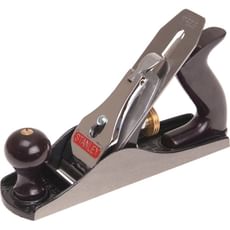
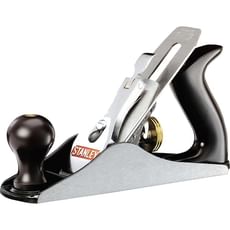
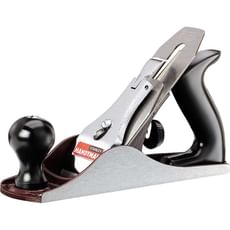
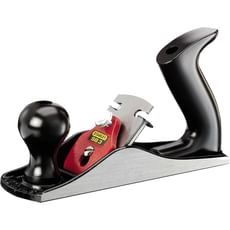
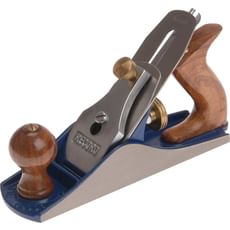
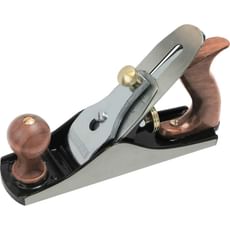
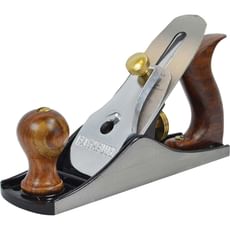
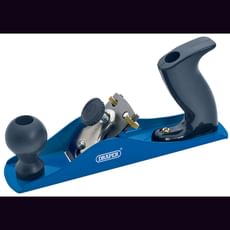
 Loading...
End of content
Error - No more pages to load
About Smoothing Planes
A smoothing plane is an essential hand tool for fine woodworking, designed to create a perfectly flat, smooth surface on timber after initial dimensioning work. Typically measuring between 225mm and 250mm in length, smoothing planes are shorter than their jack plane or jointer plane cousins, making them ideal for final finishing passes and working on smaller stock. The classic No. 4 smoothing plane remains the most popular size, offering an excellent balance between manoeuvrability and stability, whilst the slightly larger No. 4½ provides additional mass for working harder timbers.
The range available at Tooled-Up.com includes both traditional cast iron designs and modern alternatives, featuring precision-milled bases, adjustable high carbon steel irons, and ergonomic wooden handles for comfortable extended use. Quality smoothing planes feature fully adjustable frog mechanisms that allow fine-tuning of blade depth and mouth opening, enabling users to achieve gossamer-thin shavings that leave a surface requiring minimal sanding. Whether you're a professional cabinet maker working on bespoke furniture or a keen woodworking enthusiast restoring antique pieces, a well-tuned smoothing plane delivers results that power sanders simply cannot replicate.
Leading manufacturers including Stanley, Record, Faithfull, Draper, and Sealey produce smoothing planes to suit various budgets and applications. Expert-quality models feature thicker blade stock, precision-ground soles, and superior castings that maintain flatness over decades of use, whilst hobbyist ranges offer excellent value for occasional woodworkers. Many planes are supplied with spare irons, extending their working life and allowing quick blade changes without interrupting workflow.
Jargon Buster
- Blade/Iron: The cutting edge of the plane, typically manufactured from high carbon steel that has been hardened and tempered. The iron is secured at a specific angle (usually 45 degrees) and can be adjusted for depth of cut.
- Frog: The angled casting that supports the blade and allows adjustment of its position relative to the sole. A properly adjusted frog ensures optimal cutting performance and prevents chattering.
- Mouth: The opening in the sole through which shavings emerge. A tight mouth (narrow opening) provides better support for the wood fibres directly ahead of the cutting edge, reducing tear-out on difficult grain.
- Chipbreaker/Cap Iron: A curved metal component fitted atop the blade that breaks and curls shavings as they're formed, preventing them from splitting the wood ahead of the cut and reducing tear-out.
- Sole/Base: The flat bottom surface of the plane that rides along the workpiece. A precision-milled, truly flat sole is essential for achieving accurate results.
- Lateral Adjustment Lever: A small lever that tilts the blade left or right, ensuring the cutting edge sits parallel to the sole for an even shaving across the full width.
Who Uses Smoothing Planes?
- Cabinet Makers and Joiners: For achieving showroom finishes on bespoke furniture, door frames, and architectural joinery
- Furniture Restorers: Essential for sympathetically repairing and refinishing antique pieces where period-appropriate techniques are required
- Luthiers: Instrument makers who demand ultra-fine control when shaping and finishing wooden components for guitars, violins, and other instruments
- Shopfitters: For final finishing of visible timber elements in retail and commercial installations
- Heritage Carpenters: Tradespeople working on listed buildings and conservation projects where traditional hand tool methods are specified
- Woodworking Enthusiasts: Hobbyists who appreciate the precision, control, and satisfaction that hand planing provides over machine methods
- Pattern Makers: Craftspeople creating wooden patterns for casting who require exceptional surface finish and dimensional accuracy
- Boat Builders: For fitting and finishing wooden components in traditional and contemporary wooden boat construction
How to Choose the Right Smoothing Plane
Size Consideration: The No. 4 plane (approximately 240-250mm long with a 50mm blade) is the standard choice for general smoothing work. The No. 4½ offers increased mass and a wider blade (60mm), beneficial for larger stock and harder timbers, whilst the compact No. 3 suits smaller workpieces and detail work.
Build Quality: Cast iron bodies with precision-milled soles maintain flatness and provide the mass needed for smooth cutting action. Check that the sole, sides, and frog seating surfaces are properly machined. Higher-quality planes feature thicker castings that resist flexing and maintain adjustment better.
Blade Material: High carbon steel irons are standard across the range at Tooled-Up, offering excellent edge retention when properly sharpened. Thicker blades (3mm or more) resist chatter better than thin stamped versions, particularly important when working figured or interlocked grain.
Adjustment Mechanisms: Quality planes feature smooth, precise depth and lateral adjustment controls. Test that adjusters operate without excessive backlash and that settings hold firm under cutting pressure. The frog should be easily adjustable to vary mouth width.
Handle Comfort: Traditional wooden handles (tote and front knob) offer excellent grip and comfortable extended use. Ensure handles are well-finished, securely fitted, and shaped to suit your hand size. Some users prefer larger handles on planes used for long sessions.
Included Accessories: Many expert-quality models include spare blades, extending the tool's versatility and working life. A spare iron allows quick changes without stopping to sharpen, or enables setting up different blade profiles for specific tasks.
Popular Accessories
- Sharpening Stones: Waterstones, diamond plates, or oilstones for maintaining razor-sharp blade edges essential for smooth planing
- Honing Guides: Jigs that maintain consistent blade angles during sharpening, crucial for achieving optimal cutting performance
- Replacement Blades: Spare irons in various thicknesses and steel grades for different applications or grain types
- Blade Sharpening Jigs: Purpose-built systems for achieving perfectly square, sharp edges on plane irons
- Camellia Oil: Traditional Japanese rust preventative for protecting cast iron surfaces during storage
- Engineer's Squares: For checking blade squareness and sole flatness during setup and tuning
- Winding Sticks: Essential for checking workpiece flatness before and during planing operations
- Tool Rolls and Cases: Protective storage solutions that prevent damage to precision-ground surfaces
- Lapping Plates: Flat reference surfaces for flattening plane soles and blade backs
Safety Information
Blade Handling: Plane irons are extremely sharp when properly maintained. Always retract the blade fully when setting down the plane, and handle spare irons with care. Store blades with edge protectors or wrapped in cloth to prevent accidental contact.
Workpiece Security: Ensure timber is firmly secured with clamps, bench dogs, or a vice before planing. Never attempt to plane freehand-held stock, as the cutting forces can cause the workpiece to shift unexpectedly.
Grain Direction: Always plane with the grain direction to prevent tear-out and maintain control. Planing against the grain can cause the blade to dig in suddenly, potentially damaging the work or causing injury.
Body Position: Maintain a stable, balanced stance with feet positioned to allow smooth follow-through. Keep fingers well clear of the blade area, and use push blocks when working near the end of boards.
Maintenance Safety: Disconnect or retract blades completely before cleaning or adjusting internal components. Keep fingers behind the cutting edge when testing blade sharpness.
Frequently Asked Questions
What's the difference between a smoothing plane and a jack plane?
A smoothing plane is shorter (typically 240-250mm) and designed for final finishing work, taking fine shavings to create a polished surface. Jack planes are longer (350-380mm), intended for initial stock preparation and flattening, removing material more aggressively. For furniture-quality finishing, a smoothing plane is essential after dimensioning work is complete.
Do I need to tune a new smoothing plane before use?
Most smoothing planes benefit from initial setup even when purchased new. Check sole flatness with a straight edge, flatten the blade back on sharpening stones, hone a sharp edge on the bevel, and ensure the chipbreaker fits tightly to the blade without gaps. Budget planes may require more extensive fettling, whilst premium models from brands like Stanley and Record typically need only blade sharpening and minor adjustment.
How fine a shaving should a smoothing plane take?
For final finishing, aim for shavings thin enough to read newsprint through—typically 0.025mm to 0.05mm thick. These gossamer shavings leave a surface that requires minimal sanding. Thicker shavings (up to 0.1mm) are appropriate for preliminary smoothing before the final finishing passes. The ability to adjust for such fine cuts depends on sharp blades, tight mouth settings, and proper technique.
Can I use a smoothing plane on all wood types?
Smoothing planes work on most timber species, but technique varies with grain characteristics. Straight-grained softwoods and hardwoods plane easily, whilst figured, interlocked, or highly resinous timbers require sharper blades, tighter mouth settings, and sometimes a higher cutting angle. Very hard tropical hardwoods benefit from the additional mass of a No. 4½ plane. Highly figured woods may still require scraping or light sanding after planing to eliminate minor tear-out.
How often should I sharpen my smoothing plane blade?
Sharpening frequency depends on timber species, blade steel quality, and desired finish. Softwoods may allow several hours of use between sharpenings, whilst abrasive hardwoods or resinous species dull edges much faster. At the first sign of increased effort, tearout, or shiny patches on planed surfaces, resharpen the blade. Many woodworkers keep a spare sharpened iron to hand, maintaining productivity whilst the dulled blade is being refreshed.