

Snappy Hole Countersinks/Plug Cutters
Pay in 3 interest-free payments on purchases from £30-2000 with  . Learn more.
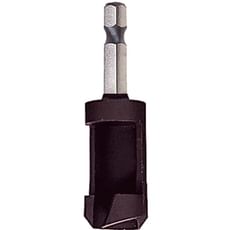
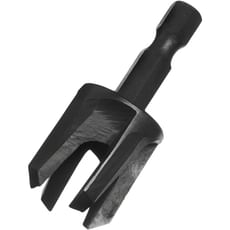
 Loading...
End of content
Error - No more pages to load
About Snappy Hole Countersinks/Plug Cutters
Snappy hole countersinks and plug cutters are essential woodworking accessories designed to create clean, professional-looking finishes when concealing screw fixings in timber projects. These precision cutting tools produce perfectly cylindrical wooden plugs that match the diameter of countersunk screw holes, allowing craftsmen to hide fixings beneath a flush or proud timber plug. The result is an aesthetically superior finish that maintains the natural appearance of the wood whilst providing secure mechanical fixings beneath the surface.
The Snappy range of plug cutters features tool steel construction for durability and longevity when working with both hardwoods and softwoods. These cutters are engineered to produce parallel, clean-sided plugs with consistent diameter and smooth surfaces, ensuring a tight fit in corresponding holes. Unlike traditional plug cutters that produce short, button-shaped plugs, Snappy plug cutters create longer plugs that can be sectioned to fill multiple holes from a single cutting, significantly improving productivity on larger projects.
Compatible with pillar drills and portable power drills, the products available from Tooled-Up.com in this category feature quick-change shank designs that work seamlessly with rapid-exchange chuck systems. This allows woodworkers to switch between different diameter cutters efficiently during projects requiring various screw sizes, from cabinet making to flooring installation and fine furniture construction.
Jargon Buster
- Plug Cutter: A cylindrical cutting tool that removes a dowel-shaped piece of timber from solid wood, used to create decorative plugs for concealing countersunk screws in woodworking projects.
- Countersink: A conical recess cut into timber that allows the head of a screw to sit flush with or below the surface, creating space for a wooden plug to cover the fixing.
- Tool Steel: High-carbon steel alloy heat-treated for exceptional hardness and edge retention, making it ideal for cutting tools that require sharp, durable cutting edges.
- Quick Chuck/Snappy Chuck: A rapid-change tool holding system that allows bits, cutters and accessories to be swapped without removing the chuck from the drill, saving time during multi-operation tasks.
- Parallel Plug: A cylindrical wooden plug with consistent diameter along its length, providing superior holding and a neater finish compared to tapered plugs.
- Resharpenable Design: Tool geometry that allows the cutting edges to be honed or ground multiple times, extending the working life of the cutter significantly.
Who Uses Snappy Hole Countersinks/Plug Cutters?
- Carpenters and Joiners: For high-quality finish work on staircases, panelling, window frames and architectural joinery where exposed screw heads would detract from appearance
- Cabinet Makers: Creating invisible fixings in kitchen units, wardrobes, shelving systems and bespoke furniture where aesthetic perfection is paramount
- Shopfitters: Installing retail fixtures, display units and commercial joinery where professional presentation standards must be maintained
- Furniture Makers: Producing fine furniture pieces where screw fixings need complete concealment beneath matching or contrasting timber plugs
- Wooden Flooring Installers: Secret-fixing floorboards and timber decking whilst maintaining clean visual lines across large surface areas
- Restoration Specialists: Repairing and restoring period furniture and architectural features using traditional concealed fixing methods
- DIY Enthusiasts: Home woodworkers seeking professional-standard finishes on shelving, garden furniture and household projects
How to Choose the Right Snappy Hole Countersinks/Plug Cutters
Plug Diameter: Select cutters that match your most commonly used screw gauges and countersink sizes. Standard diameters range from 10mm for smaller screws to larger sizes for heavy-duty fixings. Consider purchasing multiple sizes if working on varied projects requiring different screw specifications.
Material Compatibility: Verify that your chosen cutter is suitable for your typical timber species. Tool steel cutters from Tooled-Up handle both hardwoods like oak and ash as well as softwoods including pine and cedar, but check manufacturer specifications for exotic hardwoods which may require specialised tooling.
Shank Compatibility: Ensure the shank design matches your drill chuck system. Snappy quick-change shanks offer superior convenience for professional users switching between operations, whilst standard round shanks provide universal compatibility with conventional three-jaw chucks.
Plug Length: Consider the depth of cut capacity, particularly if you need to create multiple plugs from a single cutting or work with deeper countersink holes. Longer cutting depths improve material efficiency and reduce the frequency of cuts required.
Drill Type: Plug cutters perform optimally in pillar drills where precise vertical alignment and controlled feed rates can be maintained. Portable drill use is possible but requires steady hand control and ideally a drill stand for best results and safety.
Resharpenability: Investment in resharpenable designs reduces long-term costs significantly. Quality tool steel cutters can be professionally sharpened or carefully honed with appropriate grinding equipment, extending service life considerably compared to disposable alternatives.
Popular Accessories
- Countersink Drill Bits: Create the tapered recess required before installing plugs, available in various angles to match different screw head profiles
- Plug Chamfering Tools: Bevel the tops of installed plugs before trimming flush for reduced tear-out and cleaner finishing
- Pillar Drill Presses: Provide the stable, vertical drilling platform essential for accurate, safe plug cutter operation
- Quick-Change Chuck Systems: Enable rapid switching between countersinks, plug cutters and drill bits during multi-stage operations
- Plug Cutters in Multiple Diameters: Build a comprehensive set matching all common screw sizes used in your workshop
- Wood Adhesive: High-quality PVA or polyurethane glues ensure installed plugs remain permanently secured
- Flush-Cut Saws: Specialised Japanese-style saws for trimming proud plugs flush without surface damage
- Drill Stands: Convert portable drills into bench-mounted tools for improved control when using plug cutters
Safety Information
Machine Guarding: Always ensure pillar drill guards are correctly positioned before operating plug cutters. The rotating cutter and workpiece must be adequately shielded to prevent contact with hands or clothing.
Workpiece Securing: Never attempt to hand-hold timber whilst cutting plugs. Always clamp workpieces securely to the drill table using appropriate vice, clamps or sacrificial backing boards to prevent rotation or ejection.
Eye Protection: Wear safety glasses or a full face shield when operating plug cutters. Wood chips and sawdust are ejected at high velocity during the cutting process and can cause serious eye injuries.
Speed Settings: Consult manufacturer recommendations for appropriate spindle speeds based on cutter diameter and timber species. Excessive speeds can cause burning, tool damage or workpiece snatching.
Feed Pressure: Apply steady, moderate downward pressure during cutting. Forcing the cutter can cause binding, breakage or dangerous kickback. Allow the cutting edges to work at their designed rate.
Tool Inspection: Regularly examine cutters for damaged or dull cutting edges, cracks in the body, or bent shanks. Damaged tools must be resharpened professionally or replaced before further use to prevent dangerous failures during operation.
Frequently Asked Questions
Can I use Snappy plug cutters in a cordless drill?
Whilst technically possible, plug cutters perform best in pillar drills where consistent vertical alignment and steady feed rates can be maintained. If using a cordless drill, it should be mounted in a drill stand with the workpiece securely clamped. Ensure your drill has sufficient torque and battery capacity, as plug cutting is demanding work that can quickly drain smaller tools.
What's the difference between tubular and standard plug cutters?
Tubular plug cutters, like those available at Tooled-Up.com, feature a hollow cylindrical design that removes only the outer perimeter of the plug, creating less friction and requiring less power. Standard plug cutters remove all material, generating more waste and requiring greater cutting force. Tubular designs typically produce longer, cleaner plugs with superior surface finish.
How do I achieve the best match between plug and surrounding timber?
Cut plugs from offcuts of the same timber batch as your project, ensuring grain pattern, colour and texture match closely. Orient the grain direction of the plug to match the surrounding wood. For invisible repairs, cut plugs from inconspicuous areas of the actual workpiece before assembly, guaranteeing perfect colour matching.
Why do my plugs split when installing them?
Plug splitting usually indicates the hole diameter is too small or the plug has been cut with excessive taper. Ensure your countersink hole matches the plug cutter diameter precisely. Apply wood glue to the hole rather than the plug to prevent hydraulic pressure build-up. Gentle tapping with a wooden mallet rather than heavy hammer blows prevents compression damage.
How often should plug cutters be resharpened?
Sharpening frequency depends on usage intensity and timber hardness. Signs requiring attention include increased cutting resistance, burn marks on plugs, rough surface finish, or excessive noise during cutting. Light honing after every major project maintains optimal performance, whilst comprehensive resharpening may be needed after 50-100 plugs in hardwoods or 200-300 in softwoods.