

Snow Sleighs & Ploughs

Pay in 3 interest-free payments on purchases from £20-£3000 with  . Learn more.
 Loading...
End of content
Error - No more pages to load
About Snow Sleighs & Ploughs
Winter weather can bring work sites, commercial premises, and residential properties to a standstill when snow accumulates on pathways, driveways, and access routes. Snow sleighs and ploughs provide essential solutions for clearing snow quickly and efficiently, reducing the physical strain of manual shovelling whilst ensuring safe access during harsh winter conditions. From compact battery-powered snow blowers to traditional manual snow shovels and push ploughs, these tools enable property managers, grounds maintenance teams, and homeowners to maintain clear and safe surfaces throughout the winter months.
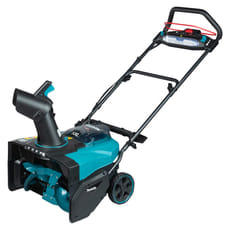
Modern snow clearing equipment has evolved significantly from basic manual implements. Cordless snow blowers powered by lithium-ion battery systems now offer a practical alternative to petrol-driven machines, eliminating the maintenance requirements, fuel costs, and starting difficulties associated with combustion engines. These battery-operated units provide sufficient power to clear substantial volumes of snow whilst remaining lightweight enough for single-operator use. Walk-behind designs typically feature adjustable discharge chutes that direct removed snow away from cleared areas, with working widths ranging from 500mm to 600mm making them ideal for pathways, small car parks, and domestic driveways.
For lighter snowfall or smaller areas, manual snow sleighs and push ploughs remain highly effective tools. These robust implements allow operators to clear snow through simple pushing motions, with wide blades that move large volumes quickly across flat surfaces. Tooled-Up.com stocks professional-grade snow clearing equipment suitable for both commercial contractors and DIY users who require reliable winter maintenance solutions.
Jargon Buster
- Working Width: The total width of snow that can be cleared in a single pass, typically measured in millimetres. Wider working widths reduce the number of passes required to clear large areas but may make the equipment less manoeuvrable in confined spaces.
- Working Height: The maximum depth of snow accumulation that the equipment can effectively handle, usually ranging from 250mm to 350mm for domestic and light commercial applications. Attempting to clear snow deeper than the rated working height can overload the machine or require multiple passes.
- Discharge Distance: The maximum distance that collected snow can be thrown or ejected from the machine, typically measured in metres. Greater discharge distances prevent cleared snow from accumulating near the working area and reduce the need for secondary clearing operations.
- Auger System: The rotating mechanism within a snow blower that collects and feeds snow into the discharge chute. Single-stage augers both collect and throw snow, whilst two-stage systems use separate collection and throwing mechanisms for handling heavier, compacted snow.
- Brushless Motor: An electric motor design that eliminates carbon brushes, resulting in improved efficiency, longer service life, reduced maintenance requirements, and better performance in cold conditions compared to traditional brushed motors.
- Runtime: The duration a cordless snow blower can operate on a single battery charge, dependent on battery capacity (measured in amp-hours), snow density, and working conditions. Typical runtimes range from 20 to 60 minutes of continuous operation.
Who Uses Snow Sleighs & Ploughs?
- Grounds Maintenance Contractors: Professionals responsible for maintaining commercial properties, business parks, and industrial estates during winter weather
- Facilities Managers: Personnel managing schools, hospitals, care homes, and public buildings who must ensure safe access for staff, visitors, and emergency services
- Property Maintenance Teams: Housing association staff and local authority workers maintaining communal areas, pathways, and car parks
- Estate Managers: Caretakers responsible for large residential developments, apartment complexes, and gated communities
- Agricultural Workers: Farm staff who need to clear access routes to livestock housing, feed stores, and essential farm buildings
- Homeowners: DIY enthusiasts and property owners maintaining domestic driveways, pathways, and patios during winter conditions
- Retail and Hospitality Managers: Shop owners, pub landlords, and restaurant managers ensuring customer access and meeting health and safety obligations
- Car Park Operators: Staff responsible for maintaining safe vehicle and pedestrian access in commercial and public car parking facilities
How to Choose the Right Snow Sleighs & Ploughs
Area Size and Layout: Assess the total area requiring clearance and the typical width of pathways or driveways. Cordless snow blowers excel for areas between 50 and 500 square metres, whilst manual push ploughs suit smaller spaces or properties with limited storage. Consider whether narrow gateways or tight corners require a more compact machine with better manoeuvrability.
Snow Conditions: The type of snow typically experienced in your location influences equipment choice. Light, powdery snow can be cleared efficiently with manual tools or smaller battery-powered units, whilst wet, heavy snow or compacted accumulations require more powerful machines with robust auger systems. Consider whether you typically deal with fresh snowfall or snow that has been compressed by foot traffic or vehicles.
Power Source: Battery-powered snow blowers available at Tooled-Up offer significant advantages for most users, including instant starting in cold conditions, minimal maintenance, zero emissions, and quieter operation compared to petrol alternatives. If you already use cordless power tools from manufacturers like Makita, choosing snow clearing equipment compatible with your existing battery platform eliminates the need for additional charging systems and provides battery interchangeability across your tool collection.
Storage and Transport: Evaluate available storage space, as snow clearing equipment must be readily accessible when weather conditions deteriorate. Compact designs with folding handles reduce storage footprint, whilst lighter cordless models can be stored in sheds or garages without requiring dedicated space for fuel cans or extensive maintenance equipment.
Frequency of Use: For properties in regions experiencing frequent winter snowfall, investing in quality powered equipment reduces the physical demands of regular clearing and speeds up the process significantly. In areas with occasional snow events, a robust manual plough may provide sufficient capability whilst representing better value for limited use.
Physical Considerations: Battery-powered walk-behind snow blowers substantially reduce the physical effort required compared to manual shovelling, making them particularly valuable for users who need to clear large areas regularly or those with physical limitations that make manual clearing difficult or unsafe.
Popular Accessories
- Additional Battery Packs: Extra high-capacity batteries extend working time and ensure continuous operation when clearing larger areas or dealing with heavy snowfall
- Rapid Chargers: Fast-charging units compatible with 40v XGT and other professional battery systems reduce downtime between clearing sessions
- Replacement Scraper Blades: Spare or upgraded blades for manual ploughs and sleighs maintain optimal clearing performance as original edges wear
- De-Icing Salt and Grit: Essential for treating cleared surfaces to prevent ice formation and maintain safe walking and driving surfaces
- Spreading Equipment: Manual and wheeled spreaders for applying salt and grit evenly across cleared pathways and car parks
- Winter Work Gloves: Insulated, waterproof gloves from brands like Portwest maintain hand warmth and dexterity during prolonged outdoor work
- High-Visibility Clothing: Essential PPE when clearing snow near roadways or in areas with vehicle traffic
- Storage Covers: Protective covers shield equipment from moisture and dust during summer storage periods
Safety Information
Pre-Operation Inspection: Before using any snow clearing equipment, inspect the working area for hidden obstacles such as kerb edges, drain covers, cables, or garden features that may be concealed beneath snow. Remove any visible debris, stones, or objects that could be picked up and discharged by powered equipment, potentially causing injury or property damage.
Personal Protective Equipment: Wear appropriate winter workwear including insulated, waterproof boots with good grip, warm gloves that allow adequate control of equipment, and high-visibility clothing if working near roads or vehicle access routes. Safety glasses protect eyes from wind-blown snow particles, particularly when operating powered blowers.
Electrical Safety: When using battery-powered equipment, ensure batteries are correctly seated and locked before operation. Never attempt to operate equipment with damaged batteries or charging systems. Store batteries at room temperature and charge them indoors to maintain optimal performance in cold conditions.
Operating Technique: Maintain firm footing on cleared surfaces and avoid rushing when moving across potentially icy areas. When using powered snow blowers, never direct the discharge chute towards people, animals, buildings, or vehicles. Keep hands, feet, and loose clothing well clear of moving auger systems, and never attempt to clear blockages whilst the machine is powered on.
Weather Awareness: Monitor weather conditions and avoid working during severe storms or in conditions where visibility is significantly reduced. Take regular breaks when working in extreme cold to prevent hypothermia or frostbite, and stay hydrated despite cold temperatures.
Frequently Asked Questions
How long will a cordless snow blower run on a single battery charge?
Runtime depends on battery capacity and snow conditions, but typical 4.0Ah to 6.0Ah batteries provide 20 to 45 minutes of continuous operation. Light, powdery snow requires less power than wet, heavy snow, extending runtime. Using higher capacity batteries or keeping spare charged batteries available ensures you can clear larger areas without interruption.
Can battery-powered snow blowers handle wet, heavy snow?
Quality cordless snow blowers equipped with brushless motors and professional-grade battery systems can effectively clear wet snow and handle accumulations up to 300mm deep. However, extremely compacted or icy snow may require multiple passes or pre-treatment with de-icing products. The absence of a petrol engine eliminates starting difficulties often experienced with combustion-powered machines in wet conditions.
Are cordless snow blowers suitable for commercial use?
Professional-grade battery platforms like the Makita 40v XGT system used in commercial power tools provide sufficient power and durability for light commercial applications including small car parks, retail premises, and residential developments. For extensive commercial operations or very large areas, having multiple batteries and a rapid charging system ensures continuous operation throughout the working day.
How should I store snow clearing equipment during summer months?
Clean equipment thoroughly after the final use of the season, removing all snow, ice, and debris. Dry all components completely before storage to prevent corrosion. Remove batteries from cordless equipment and store them separately at room temperature with a 30-50% charge level. Store equipment in a dry location protected from moisture, direct sunlight, and temperature extremes.
What maintenance do snow blowers require?
Cordless electric snow blowers require minimal maintenance compared to petrol alternatives. After each use, clear any packed snow from the auger housing and discharge chute. Periodically check all fasteners remain tight and inspect the scraper blade for wear. Unlike petrol machines, battery-powered units require no oil changes, spark plug replacements, or fuel system maintenance, significantly reducing ownership costs and preparation time.