

Soldering Accessories
Pay in 3 interest-free payments on purchases from £30-2000 with  . Learn more.
 Loading...
End of content
Error - No more pages to load
About Soldering Accessories
Soldering accessories are the essential supporting products that transform basic soldering equipment into a complete, professional system. Whilst a soldering iron or gun provides the heat source, it's the accessories—ranging from flux preparations and specialist solders to heat-resistant mats and helping hands—that enable precision work, protect your workspace, and ensure reliable joints that stand the test of time. Whether you're joining copper pipes in a plumbing installation, repairing electronic circuit boards, or carrying out decorative metalwork, having the right accessories to hand dramatically improves both the quality and efficiency of your work.
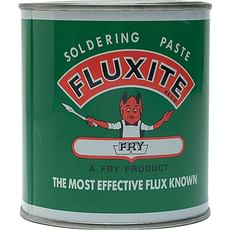
The selection at Tooled-Up.com includes everything from specialist solders for different applications (plumbers' solder, tinmans' solder, and electronic-grade options) to flux preparations that ensure clean, strong bonds. You'll also find practical workshop aids like soldering stands with magnifiers, solder suckers for desoldering work, replacement tips to extend the life of your equipment, and protective mats to safeguard your bench. These products come from trusted manufacturers including Sealey, Weller, Draper, Frys Metals, Faithfull, Bakers, Fluxite, and Laco—brands recognised across UK trade counters for delivering consistent results.
Investing in quality soldering accessories isn't merely about convenience—it's about achieving professional standards whilst protecting both your equipment and yourself. The right flux prevents oxidation and ensures proper solder flow, a stable stand keeps hot irons safely positioned between joints, and a heat-resistant mat prevents costly damage to work surfaces. For anyone serious about soldering work, these accessories quickly prove their value through improved results and safer working practices.
Jargon Buster
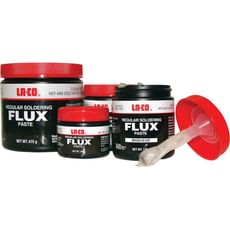
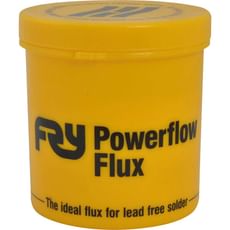
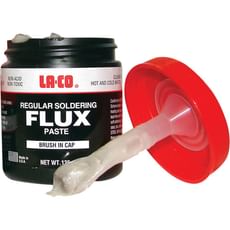
- Flux: A chemical cleaning agent applied before soldering to remove oxidation from metal surfaces and promote better solder flow and adhesion. Available as paste, liquid, or incorporated within solder wire cores. Products like Frys Powerflow and Laco Non-Toxic formulations are popular choices for different applications.
- Lead-Free Solder: Solder formulations that comply with modern environmental and health regulations by eliminating lead content. Typically contains tin, copper, and silver alloys, with slightly higher melting points than traditional lead-based solders. Essential for drinking water systems under UK Water Supply Regulations.
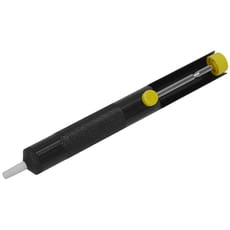
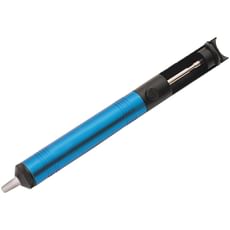
- Desoldering/Solder Sucker: A spring-loaded vacuum tool used to remove molten solder from joints, essential for repair work and component replacement on circuit boards. Allows clean removal of old solder before installing new components.
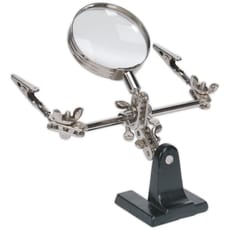
- Helping Hands/Third Hand: Adjustable clamp devices, often with magnification, that hold workpieces steady during soldering, freeing both hands for iron and solder wire. Particularly valuable for detailed electronics work and small component assembly.
- Tinning: The process of coating a soldering iron tip or metal surface with a thin layer of solder to improve heat transfer and prevent oxidation. Regular tinning extends tip life and improves soldering performance.
- Heat-Resistant Mat: Protective surface material (silicone or fibre-based) placed beneath soldering work to prevent heat damage to benches and provide a safe resting area for hot tools. Asbestos-free options are standard in modern workshops.
Who Uses Soldering Accessories?
Soldering accessories serve a diverse range of professional tradespeople and skilled DIY enthusiasts:
- Plumbers and heating engineers – joining copper pipes, fittings, and creating watertight seals in domestic and commercial installations
- Electricians and electronics engineers – circuit board repairs, cable terminations, and electronic component assembly
- Automotive technicians – electrical system repairs, sensor replacements, and custom wiring work
- HVAC installers – refrigeration pipework and air conditioning system installations requiring specialist soldering techniques
- Jewellers and metalworkers – creating decorative joins and repairs on precious metals and craft projects
- Model makers and hobbyists – electronics projects, railway modelling, and precision assembly work
- Maintenance engineers – equipment repairs across industrial, commercial, and domestic settings
- DIY enthusiasts – home plumbing projects, electronics repairs, and creative metalwork
How to Choose the Right Soldering Accessories
Selecting appropriate soldering accessories depends on matching products to your specific application and working environment:
Solder Type and Diameter: Plumbers' solder differs significantly from electronics solder in composition and diameter. Larger diameter solder (2-3mm) suits plumbing work where you need to fill larger gaps quickly, whilst fine electronics solder (0.5-1mm) provides the precision needed for delicate circuit board work. Consider lead-free formulations like Frys Plumbers Solder for drinking water systems to meet UK Water Supply Regulations, and check whether flux-cored or solid wire better suits your typical applications.
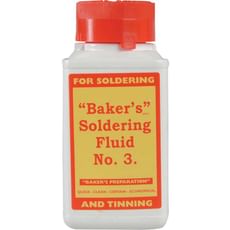
Flux Selection: Match your flux to the metals you're joining and your working conditions. Active fluxes work aggressively on heavily oxidised surfaces but require thorough cleaning afterwards. Non-toxic, water-soluble fluxes like those from Laco offer easier cleanup and suit electronics work. Paste fluxes stay where you put them—ideal for vertical pipe joints—whilst liquid formulations such as Bakers No.3 Soldering Fluid spread easily over larger areas.
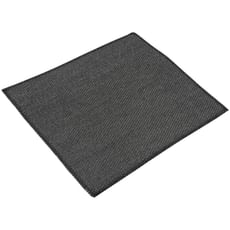
Workspace Protection: Heat-resistant mats are essential for protecting benches, particularly in multi-use workshops. Look for materials rated to withstand temperatures exceeding 300°C, with adequate size for your typical workpieces. Silicone mats offer excellent heat resistance and are easy to clean, whilst traditional fibre-based options like the Draper Asbestos Free Soldering Mat provide good insulation at competitive price points.
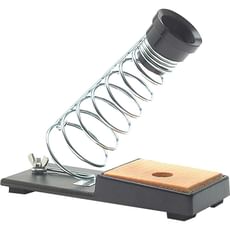
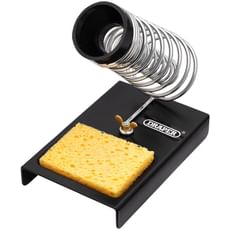
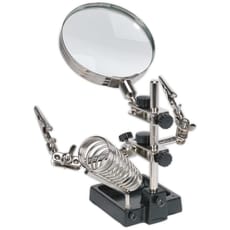
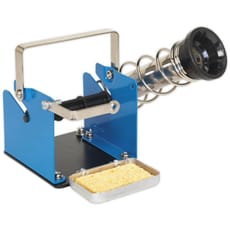
Support Equipment: Soldering stands prevent accidents and tip damage by providing a secure resting place for hot irons operating at 300-400°C. Consider models with integrated cleaning sponges or brass wire tip cleaners. For detailed electronics work or inspection tasks, stands with integrated magnifiers and adjustable clamps prove invaluable, allowing precise positioning whilst keeping both hands free for tools.
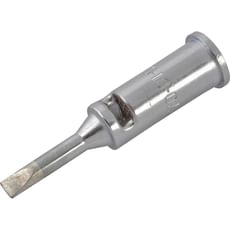
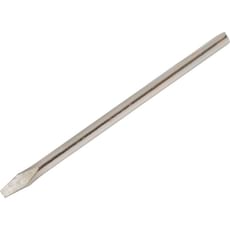
Replacement Parts: Soldering iron tips wear over time, particularly with regular use. Keeping replacement tips compatible with your specific iron model ensures you're never caught without a working tool. Different tip profiles suit different applications—chisel tips for general work, fine points for precision electronics, and larger tips for plumbing joints. Brands like Faithfull and Weller offer comprehensive tip ranges for professional equipment.
Popular Accessories
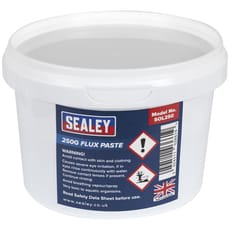
- Flux Pastes and Liquids: Essential for preparing metal surfaces, ensuring clean solder flow and strong joints across plumbing, electronics, and metalwork applications
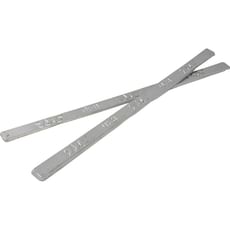
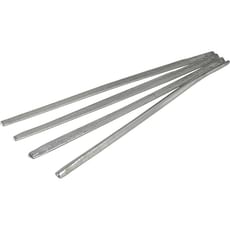
- Solder in Various Formulations: Including plumbers' solder for pipework, tinmans' solder for sheet metal, and specialised electronic-grade options
- Soldering Stands: Keep hot irons safely positioned between operations, protecting your workspace and preventing tip damage at 240v operating temperatures
- Heat-Resistant Mats: Protect work surfaces from heat damage and provide safe areas for hot tools and workpieces during flame work
- Solder Suckers/Desoldering Pumps: Remove unwanted solder for repairs, modifications, and component replacements on circuit boards
- Helping Hands with Magnifiers: Hold small components steady during precision soldering whilst magnifying your work area for detailed inspection
- Replacement Tips: Maintain your soldering equipment's performance with tips matched to your iron model and application requirements
- Tip Cleaners: Brass wool or wet sponge cleaners remove oxidation and flux residue, extending tip life significantly
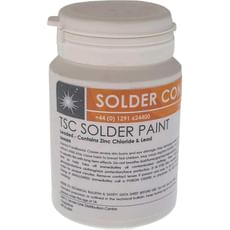
- Solder Paint: Specialised product for refreshing and protecting metalwork with a protective tin coating
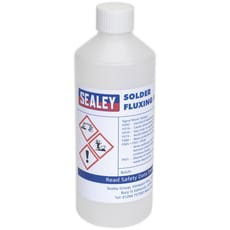
- Soldering Fluid: Fast-acting liquid flux for tinning copper and tinned materials in plumbing applications
Safety Information
Soldering work involves hot tools, molten metal, and potentially hazardous fumes, making proper safety practices essential:
Ventilation: Always work in well-ventilated areas. Flux fumes, particularly from rosin-based products, can cause respiratory irritation with prolonged exposure. Consider extraction fans or fume extractors for regular soldering work, in line with COSHH regulations for workplace exposure control in UK environments.
Heat Protection: Soldering irons operate at temperatures between 300-400°C. Use heat-resistant mats to protect work surfaces, and ensure hot tools are placed in proper stands when not in use. Keep flammable materials well clear of your working area, and never leave hot irons connected to 240v mains supply unattended.
Skin and Eye Protection: Molten solder can splash, particularly when working with flux. Safety glasses protect against splashes, whilst keeping skin covered prevents burns. Be particularly cautious when soldering overhead or in confined spaces where hot drips may fall onto exposed skin.
Lead Awareness: Whilst lead-free solders are now standard for many applications, some traditional formulations still contain lead. Avoid hand-to-mouth contact when using lead-based products, wash hands thoroughly after use, and never eat or drink in soldering areas. Store solder safely away from children in accordance with HSE guidance.
First Aid: Keep a suitable first aid kit nearby with burn treatments. Cool minor burns under cold running water for at least ten minutes. For chemical flux splashes to eyes, irrigate thoroughly with clean water and seek medical attention immediately.
Frequently Asked Questions
What's the difference between plumbers' solder and electronics solder?
Plumbers' solder typically has a higher melting point and comes in thicker diameters (2-3mm) for filling larger gaps in pipe joints. It's often lead-free to comply with drinking water regulations. Electronics solder is much finer (0.5-1mm), usually has a lower melting point, and often contains flux cores for precise work on circuit boards. Using the wrong type will result in poor joints and potential system failures.
Do I need flux if I'm using flux-cored solder?
For most electronics work, the flux core within the solder wire provides sufficient cleaning action for good joints. However, for plumbing applications, heavily oxidised metals, or particularly critical joints, applying additional flux paste beforehand ensures better solder flow and stronger bonds. Professional plumbers typically always use separate flux products like Frys Powerflow regardless of solder type for guaranteed results.
How do I maintain my soldering iron tips?
Regularly tin your tip by coating it with fresh solder before and after use, which prevents oxidation. Clean the tip frequently during work using a damp sponge or brass wire cleaner to remove flux residue. Avoid excessive temperatures that accelerate tip degradation, and never file or abrade the plated surface. With proper care, quality replacement tips from brands like Weller and Faithfull last significantly longer and maintain better heat transfer.
Are heat-resistant soldering mats really necessary?
For occasional hobbyist work, you might manage with alternative protection, but for regular soldering, a proper heat-resistant mat is essential workshop equipment. They prevent costly damage to benches, provide a safe resting area for hot irons, and are particularly valuable when working with temperature-sensitive materials nearby. Modern asbestos-free options available at Tooled-Up.com offer excellent protection without health concerns associated with older products.
What temperature should I set my soldering iron to?
This depends on your solder type and application. Lead-free solders typically require 350-400°C, whilst traditional lead-based solders work well at 300-350°C. Plumbing work with larger thermal mass may need higher temperatures than delicate electronics. Start at the lower end of the range and increase if the solder isn't flowing properly, as excessive heat damages components and accelerates tip wear on your equipment.