

Soldering Guns
Pay in 3 interest-free payments on purchases from £30-2000 with  . Learn more.
 Loading...
End of content
Error - No more pages to load
About Soldering Guns
Soldering guns are powerful, pistol-grip tools designed for rapid electrical connections and repairs across automotive, industrial, and general electrical work. Unlike traditional soldering irons that maintain constant heat, these trigger-operated tools heat up in seconds—typically 5-10 seconds—making them ideal for tradespeople who need instant heat for intermittent soldering tasks throughout the day. Their high wattage output, usually ranging from 100W to 300W, delivers concentrated heat precisely where needed, allowing you to tackle heavier gauge wires and robust electrical joints that would challenge lower-powered equipment.
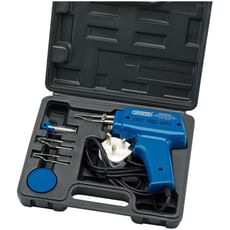
The range at Tooled-Up.com includes both standalone soldering guns and comprehensive kits from trusted manufacturers including Sealey and Draper. Complete kits often provide exceptional value, bundling the gun itself with essential accessories such as replacement copper tips, solder wire, flux paste, and sometimes complementary soldering irons for finer work. This makes them particularly attractive for tradespeople establishing their toolkit or DIY enthusiasts seeking everything needed for electrical repairs in one package. All models feature UK 240v mains operation with standard 13A plugs, ensuring compatibility with British electrical standards.
Whether you're an auto electrician repairing vehicle wiring harnesses, a maintenance engineer tackling industrial connections, or a heating engineer joining thermostat cables, soldering guns deliver the combination of power, speed, and control required for professional-quality results. Their rapid heat-up time eliminates the waiting associated with traditional irons, whilst the trigger-activated design conserves energy and extends tip life by heating only when actually needed—a practical advantage when moving between multiple jobs on site or in the workshop.
Jargon Buster
- Wattage (W): The power output of the soldering gun, typically between 100W and 300W. Higher wattage means faster heating and the ability to work with thicker cables and larger joints. A 100W gun suits light electrical work and household repairs, whilst 200-250W models handle automotive applications, and 300W versions tackle heavy-duty industrial connections.
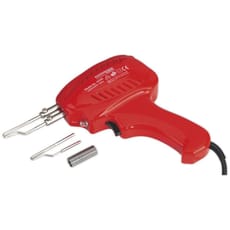
- Soldering Tip: The replaceable copper element that transfers heat directly to the joint. Tips come in various profiles—chisel, pointed, or flat—to suit different applications and access requirements. They oxidise and wear with use, requiring periodic replacement to maintain optimal heat transfer and soldering quality.
- Heat-Up Time: The period required for the gun to reach working temperature, usually just 5-10 seconds for quality models. This rapid heating distinguishes guns from traditional irons and makes them invaluable for quick repairs where efficiency matters.
- Flux: A chemical cleaning agent applied before soldering to remove oxidation from metal surfaces and improve solder flow. Flux ensures strong, reliable electrical connections by preparing the joint area for optimal solder adhesion and penetration.
- Trigger Operation: The pistol-grip mechanism that activates heating only when the trigger is pressed, conserving electricity and extending tip life by preventing continuous heating during idle periods between joints.
- Solder Wire: The metal alloy—traditionally tin-lead, now often lead-free to comply with UK regulations—that melts to form the electrical connection. Available in various diameters, with thicker wire (1.5-2mm) for heavy electrical work and thinner gauges for lighter applications.
Who Uses Soldering Guns?
Soldering guns are essential tools across numerous trades and applications:
- Auto Electricians: Repairing vehicle wiring harnesses, connecting terminals, fixing electrical faults in cars, vans, and commercial vehicles where robust joints are essential
- Electricians: Making cable connections in junction boxes, joining wires, and repair work where quick heat application improves efficiency on site
- Heating Engineers: Connecting thermostat wiring, control systems, and low-voltage electrical components in boiler and heating installations
- Maintenance Engineers: General repair work in industrial and commercial settings, from machinery wiring to control panel connections and equipment refurbishment
- Electronics Repair Technicians: Fixing domestic appliances, audio equipment, and electronic devices requiring stronger heat than fine-tip irons can provide
- Agricultural Mechanics: Repairing farm equipment wiring, trailer lighting systems, and electrical components in harsh outdoor environments
- Marine Electricians: Boat wiring repairs and connections where robust, reliable joints resist vibration and moisture
- Model Makers and Hobbyists: Building model railways, radio-controlled vehicles, and electronics projects requiring dependable electrical connections
- DIY Enthusiasts: Home electrical repairs, audio system installations, and general workshop projects requiring soldered joints
How to Choose the Right Soldering Guns
Power Requirements: Match the wattage to your typical applications. A 100W gun handles light electrical work, speaker cables, and small component connections effectively. For automotive wiring, thicker cables, and more demanding joints, consider 200-250W models that provide sufficient heat for faster work. Professional kits offering 300W deliver maximum versatility for heavy-duty industrial applications where substantial heat capacity is required.
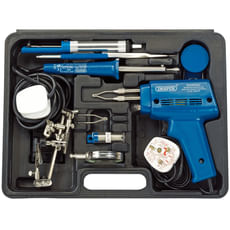
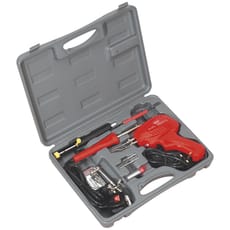
Kit versus Standalone: Complete kits from brands like Sealey and Draper represent excellent value, including replacement tips, solder wire, flux, and often additional tools such as complementary soldering irons for finer work. The Sealey SD300K 8 Piece kit and similar offerings ensure you have everything needed from the outset. If you already possess accessories and consumables, a standalone gun may suffice, but starter kits eliminate the need for separate purchases.
Heat-Up Speed: Quality soldering guns reach working temperature within seconds—this rapid heating is their primary advantage over traditional irons. Verify that specifications confirm genuine fast heating, as this feature directly impacts efficiency when performing multiple quick repairs throughout the day on site or in the workshop.
Tip Availability and Variety: Ensure replacement tips are readily available and reasonably priced. Kits that include multiple tip profiles—chisel, pointed, flat—offer greater versatility for different joint types and access requirements. Copper tips oxidise and wear with regular use, so factor ongoing replacement costs into your decision, particularly for professional applications.
Build Quality and Brand Reputation: Established manufacturers like Sealey and Draper, available from Tooled-Up, offer reliable performance and customer support. Professional-grade models feature robust construction, comfortable grips for extended use, and consistent temperature delivery. These factors directly impact longevity and user satisfaction, particularly important for tradespeople using tools daily in demanding environments.
Safety Features: Look for heat-resistant handles, stable trigger mechanisms, and included stands or rests. Some kits provide safety glasses and other protective equipment, reflecting the manufacturer's commitment to safe operation. Good cable length—typically 1.2 metres minimum—provides working flexibility without requiring extension leads.
Popular Accessories
- Replacement Soldering Tips: Essential consumables available in various shapes and sizes. Keep spares on hand to avoid work interruptions when tips wear, oxidise, or become damaged during use.
- Solder Wire: Available in lead-free formulations (compliant with current UK regulations) and traditional tin-lead varieties in various diameters. Thinner wire (0.7-1mm) suits electronics, whilst thicker gauges (1.5-2mm) handle heavier electrical work.
- Flux Paste or Liquid: Improves solder flow and joint quality by cleaning metal surfaces and preventing oxidation during heating. Essential for reliable electrical connections, particularly with tarnished or oxidised components.
- Solder Sucker/Desoldering Pump: Removes excess solder or allows correction of mistakes by vacuuming molten solder away from joints, invaluable for repair work and component replacement.
- Wire Strippers and Cutters: Prepare cables for soldering by removing insulation cleanly without damaging conductors underneath, ensuring optimal connection quality.
- Heat-Resistant Mat or Stand: Protects work surfaces from hot tips and provides a safe resting place during and after use, preventing burns, fire hazards, and surface damage.
- Helping Hands or PCB Holder: Third-hand tools with adjustable clips hold components steady during soldering, particularly valuable when working alone without an assistant.
- Safety Glasses: Protect eyes from solder splatter, flux vapours, and debris during the soldering process, essential PPE for compliance with HSE guidance.
- Fume Extractor: Removes harmful fumes from flux and heated metals, particularly important for prolonged soldering sessions in enclosed spaces.
Safety Information
Burns Prevention: Soldering gun tips reach temperatures exceeding 400°C and remain dangerously hot for several minutes after use. Always use the provided stand or heat-resistant surface, never leaving the gun unattended whilst hot. Keep fingers, clothing, and combustible materials well clear of the heated tip throughout operation and cooling periods.
Fume Extraction: Soldering produces fumes from flux and heated metals that shouldn't be inhaled directly. Work in well-ventilated areas or use fume extraction equipment, particularly when soldering for extended periods. This is especially important with any lead-containing solder, though lead-free alternatives are now standard for most applications under current UK regulations. Follow COSHH guidelines for workplace exposure limits.
Electrical Safety: Ensure your soldering gun is suitable for UK 240v mains supply and features a standard 13A plug with proper earth connection. Inspect cables regularly for damage, abrasion, or signs of overheating, and never use equipment with frayed or exposed wiring. When soldering near live circuits—which should be avoided wherever possible—ensure proper isolation and follow electrical safety protocols in accordance with BS 7671 wiring regulations.
Eye Protection: Molten solder can splatter unpredictably, and flux can release small particles during heating. Wear safety glasses as standard practice, particularly when working overhead, in awkward positions, or where debris might fall towards your face. This is essential PPE for compliance with HSE guidance on eye protection in the workplace.
Fire Safety: Keep flammable materials, solvents, and combustible substances away from your work area. Have appropriate fire extinguishing equipment readily available, particularly when working on site or in unfamiliar environments. Allow soldering guns to cool completely before storage in toolboxes or cases—rushing this process risks melting plastic components and creating fire hazards.
PPE Requirements: Beyond safety glasses, consider heat-resistant gloves when handling recently soldered components or working in confined spaces. Ensure adequate ventilation or respiratory protection when working with flux fumes in enclosed areas, in accordance with HSE guidance and COSHH assessments for your specific workplace and materials used.
Frequently Asked Questions
What's the difference between a soldering gun and a soldering iron?
Soldering guns feature a pistol-grip design with trigger operation and heat up within seconds, making them ideal for intermittent work and heavier electrical connections like automotive wiring and industrial joints. Soldering irons have a pencil-style design, maintain constant temperature, and are better suited for delicate electronics work, circuit boards, and prolonged soldering sessions. Guns typically offer higher wattage (100-300W) compared to standard irons (15-60W), providing greater heat capacity for thicker wires and larger joints.
How long does it take for a soldering gun to heat up?
Quality soldering guns reach working temperature in approximately 5-10 seconds, which is their primary advantage over traditional irons that may require 3-5 minutes. This rapid heating allows you to make quick repairs without waiting, significantly improving efficiency when performing multiple jobs throughout the day on site or moving between different tasks in the workshop. The trigger-activated design means you only heat when needed, conserving energy between joints.
Can I use a soldering gun for electronics and circuit board work?
Whilst technically possible, soldering guns are generally too powerful for delicate circuit board work and fine electronics. Their high wattage (100W+) risks damaging sensitive components, lifting PCB traces, and applying excessive heat to temperature-sensitive parts. For PCB soldering, a traditional temperature-controlled soldering iron (typically 15-40W) is more appropriate. However, many soldering gun kits include a complementary lower-wattage soldering iron specifically for finer work, offering versatility for both heavy electrical connections and delicate applications.
What wattage soldering gun do I need for automotive wiring?
For automotive electrical work, a 200-250W soldering gun provides sufficient heat for typical vehicle wiring, terminal connections, and harness repairs. This wattage handles the thicker gauge wires commonly found in automotive applications—usually 1-2.5mm²—whilst heating quickly enough for efficient work. Lower wattage (100W) may struggle with larger joints and thicker cables, whilst higher wattage (300W) offers additional capacity for heavy-duty commercial vehicle work, agricultural equipment, and marine applications where robust joints are essential.
How often do soldering gun tips need replacing?
Tip longevity depends on usage frequency, working practices, and maintenance. With proper care—regular cleaning with a damp sponge, avoiding excessive temperatures, and proper tinning between uses—tips may last several months of regular use. Signs that replacement is needed include difficulty achieving good heat transfer, visible pitting or erosion of the copper surface, inability to properly tin the tip, and inconsistent heating. Professional tradespeople using guns daily should keep spare tips readily available to avoid work interruptions, whilst occasional users may find tips last considerably longer with proper storage and maintenance.