

Soldering Irons

Pay in 3 interest-free payments on purchases from £20-£3000 with  . Learn more.
 Loading...
End of content
Error - No more pages to load
About Soldering Irons
Soldering irons are indispensable tools for creating permanent electrical and mechanical connections between metal components using solder, a low-melting-point alloy that forms strong, conductive joints. From intricate circuit board repairs and electronics assembly to copper pipe work and automotive wiring, these versatile tools deliver the precise, controlled heat necessary for professional-quality results. Modern soldering equipment encompasses everything from straightforward pen-style irons for occasional DIY tasks to sophisticated temperature-controlled stations designed for precision electronics work and continuous professional use.
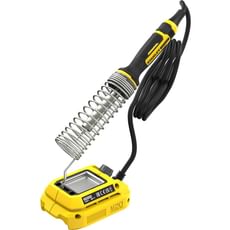
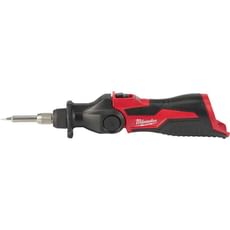
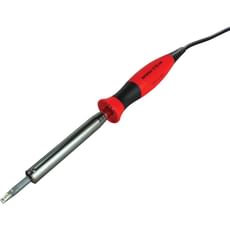
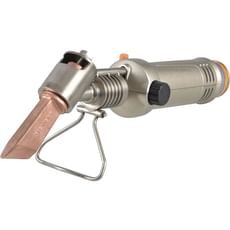
The selection at Tooled-Up.com includes mains-powered soldering irons operating at 240v, cordless battery-powered models ideal for site work, and versatile gas-powered torches perfect for applications where electricity isn't readily available. Leading manufacturers like Sealey, Draper, and Weller provide solutions across all power levels and price points, whilst specialist brands such as Milwaukee deliver professional cordless options that integrate seamlessly with existing battery platforms. From compact 30W irons suitable for hobby electronics to heavy-duty 100W models capable of handling larger joints in plumbing and metalwork, there's appropriate equipment for soldering, desoldering, and heat-shrinking applications.
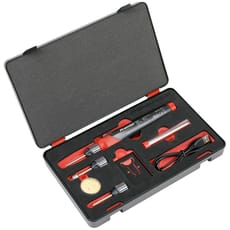
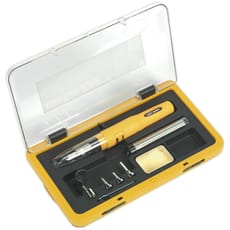
Many complete kits include essential accessories such as safety stands, solder wire, tip cleaners, and flux, making them perfect for tradespeople establishing their toolkit or DIY enthusiasts embarking on their first electronics projects. For professional electronics technicians and production environments, temperature-controlled solder stations deliver consistent heat management and extended tip life, ensuring repeatable quality across hundreds of joints whilst protecting temperature-sensitive components from thermal damage.
Jargon Buster
- Wattage (W): Indicates the iron's heating power and thermal recovery speed. Lower wattages (15-30W) suit delicate electronics and small components, whilst higher ratings (60-100W) handle larger joints and heat-conductive materials like copper pipe more effectively without temperature drop-off.
- Temperature Control: Advanced irons and stations allow precise temperature adjustment, typically between 200-450°C. Essential for protecting temperature-sensitive components and accommodating different solder types, preventing overheating damage whilst ensuring proper solder flow and joint formation.
- Tip Temperature: The actual working temperature at the soldering bit, distinct from the heating element temperature. Quality irons maintain stable tip temperatures even during continuous use, crucial for consistent joint quality and preventing cold solder joints.
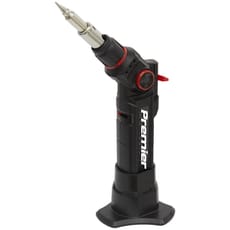
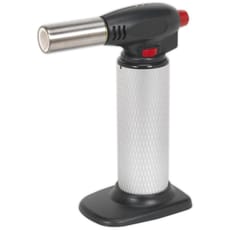
- Butane/Gas Powered: Portable soldering irons using butane fuel cartridges, offering genuinely cordless operation with adjustable flame. Popular for site work, plumbing applications, roofing tasks, and locations without convenient mains power access.
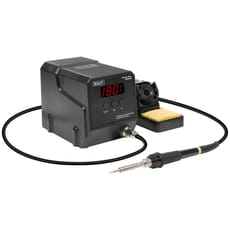
- Soldering Station: A complete system comprising a separate control unit and iron handpiece, providing precise temperature regulation, digital displays, rapid heat-up times, and often including desoldering tools, multiple tip options, and programmable temperature profiles.
- Tip Geometry: The shape of the replaceable soldering bit – conical tips for precision electronics work, chisel tips for larger joints and component legs, bevel tips for drag soldering, and specialist shapes for specific applications like surface-mount device work.
Who Uses Soldering Irons?
Soldering irons serve a diverse range of professionals and enthusiasts across multiple industries:
- Electronics Technicians: Repairing circuit boards, replacing faulty components, assembling electronic devices, and prototyping new designs
- Electricians: Joining wires, creating reliable electrical connections, automotive wiring repairs, and control panel assembly
- Plumbers: Soldering copper pipes and fittings, creating watertight joints in heating systems and domestic plumbing installations
- Automotive Technicians: Repairing vehicle wiring harnesses, sensor connections, electronic control units, and dashboard electronics
- Jewellers and Metalsmiths: Joining precious metals, creating intricate metalwork, repairs, and decorative metal fabrication
- Appliance Repair Engineers: Fixing white goods, replacing faulty components on control boards, and thermal cut-out repairs
- Hobbyists and Makers: Building electronics projects, model making, drone assembly, Arduino/Raspberry Pi work, and general tinkering
- Musical Instrument Technicians: Repairing amplifiers, effects pedals, guitar electronics, and vintage equipment restoration
- Stained Glass Artists: Joining copper foil and lead came in decorative glasswork, lamp shades, and architectural features
- Telecommunications Engineers: Cable jointing, connector assembly, and field equipment repairs
How to Choose the Right Soldering Irons
Selecting appropriate soldering equipment depends on your specific applications and typical working environment. For general electronics repair and hobby work, a temperature-controlled station between 30-60W provides excellent versatility and precision. Brands like Draper and Weller offer superb mid-range stations with digital temperature displays, rapid heat-up times, and replaceable tip systems that deliver professional results without excessive investment.
Consider power source based on your typical working location. Mains-powered 240v irons deliver consistent performance for workshop use with unlimited runtime, whilst cordless battery-powered models from Milwaukee or Draper Storm Force offer genuine portability for site work, vehicle repairs, and outdoor applications without compromising temperature control. Gas-powered soldering irons, particularly the 3-in-1 indexing models from Sealey, provide ultimate flexibility with no electrical supply required, making them ideal for plumbers, roofers, and field service engineers working in varied locations.
Wattage requirements vary considerably by application – delicate PCB work requires 15-30W to avoid component damage through excessive heat, general electronics suit 30-60W irons for versatility, whilst heavy-duty applications like stained glass, plumbing connections, or thick wire joints need 80-100W for adequate heat transfer into thermally conductive materials. Temperature control becomes increasingly important for professional work, protecting sensitive components, extending tip life through precise heat management, and ensuring compliance with lead-free solder requirements.
Budget considerations should balance initial cost against long-term value and frequency of use. Entry-level soldering irons from Blue Spot and Faithfull suit occasional DIY use and simple repairs, mid-range options from Sealey and Draper offer better temperature stability and durability for regular use, whilst professional Weller equipment justifies higher investment through superior performance, reliability in demanding production environments, and comprehensive spare parts availability.
Popular Accessories
- Solder Wire: Available in lead-free (compliant with UK RoHS and WEEE regulations) and traditional lead-tin alloys, in various diameters from 0.5mm for electronics to 2mm for plumbing applications
- Soldering Iron Stands: Heat-resistant holders with sponge or brass wire tip cleaners, essential for safety and maintaining tip cleanliness between joints
- Replacement Tips: Various geometries including chisel, conical, bevel, and knife tips for different applications, joint sizes, and component access requirements
- Flux: Chemical cleaning agents that improve solder flow and joint quality by removing oxidation, available in liquid, paste, and pen applicators
- Desoldering Pumps and Braid: Tools for removing excess solder, extracting components from circuit boards, and correcting mistakes
- Heat-Resistant Mats: Silicone work surfaces protecting benches from heat damage and preventing small components from rolling away
- Tip Tinner and Cleaner: Compounds that restore oxidised tips, improve heat transfer, and significantly extend tip lifespan
- Helping Hands: Adjustable clamps with magnifying glass for securely holding work pieces during soldering operations
- Fume Extractors: Important for prolonged soldering work, removing potentially harmful flux fumes and solder vapour from breathing zones
- Anti-Static Wrist Straps: Essential when working on sensitive electronic components to prevent electrostatic discharge damage
Safety Information
Soldering irons reach temperatures exceeding 400°C and present significant burn risks requiring appropriate precautions. Always use the provided stand when not actively soldering, never place hot irons directly on work surfaces, and allow adequate cooling time before storing equipment. Work in well-ventilated areas or use fume extraction equipment, particularly when using flux or lead-containing solder, as fumes can cause respiratory irritation and long-term health effects with prolonged exposure.
Ensure mains-powered equipment complies with UK electrical safety standards, features proper earth connections, and is regularly PAT tested in commercial environments. Never leave hot soldering irons unattended, and keep flammable materials including cables, paper, and solvents away from the immediate work area. When using gas-powered models, follow butane cartridge handling guidelines carefully, check for leaks before ignition, and ensure adequate ventilation to prevent gas accumulation in confined spaces.
Wear appropriate eye protection when soldering, as flux can spit and molten solder may splatter unexpectedly, particularly when working on contaminated joints. HSE guidance recommends washing hands thoroughly after soldering sessions to remove flux residues and metal particles before eating or drinking. Keep a suitable fire extinguisher nearby when conducting prolonged soldering sessions, ensure work surfaces are non-flammable, and be aware of surrounding materials that might be affected by radiant heat from hot tools.
Frequently Asked Questions
What wattage soldering iron do I need for electronics work?
For general electronics repair and PCB work, a 30-50W soldering iron provides sufficient heat without risking component damage through excessive temperatures. Delicate work on modern surface-mount components requires lower wattages (15-25W) with precise temperature control, whilst larger through-hole components, wire joints, and connector assembly work better with 50-60W. A temperature-controlled station from manufacturers like Draper or Weller offers the best versatility across different applications, allowing you to adjust power output to suit specific tasks.
Can I use any solder with my soldering iron?
Most soldering irons work with standard tin-lead or lead-free solder, though lead-free alloys require slightly higher temperatures (typically 20-30°C more) for proper flow and joint formation. Electronics work typically uses 0.5-1mm diameter solder with integrated flux cores for convenience, whilst plumbing applications use thicker 2-3mm solder wire. Always match your iron's temperature capability to your chosen solder type, and ensure lead-free solder for drinking water applications to comply with UK water regulations and health standards.
How long does a soldering iron tip last?
Tip lifespan varies considerably based on usage frequency, temperature settings, maintenance practices, and work environment. With proper care – regular cleaning, appropriate temperature selection, tinning when not in use, and avoiding mechanical damage – quality tips last several months to years of regular use. Running irons at excessive temperatures or leaving them idle whilst hot significantly reduces tip life through oxidation. Keep tips clean and properly tinned, invest in quality replacement tips from manufacturers like Weller for best results, and replace tips showing pitting or erosion that affects heat transfer.
What's the difference between a soldering iron and a soldering station?
A basic soldering iron is a standalone tool with fixed or limited temperature adjustment, suitable for occasional use and general applications where precision isn't critical. A soldering station includes a separate control unit with precise digital temperature control, faster heat-up times, better temperature stability during use, and often additional features like sleep modes, password protection, and programmable profiles. Stations available from Tooled-Up suit professional environments and regular use where consistent results matter, whilst simple irons suffice for occasional DIY work and simple repairs.
Do I need a cordless soldering iron?
Cordless soldering irons excel for site work, automotive repairs, installations, and locations without convenient mains power access. Modern lithium-ion models from Milwaukee and Draper Storm Force deliver performance comparable to corded irons with genuine portability and quick heat-up times. However, for workshop-based electronics work with ready access to 240v power, corded irons or stations provide unlimited runtime, consistent performance, and no battery charging considerations. Consider a gas-powered option from Sealey if you frequently work outdoors, on roofs, or in varied locations without needing the precise temperature control required for sensitive electronics soldering.