

Soldering Tips

Pay in 3 interest-free payments on purchases from £20-£3000 with  . Learn more.
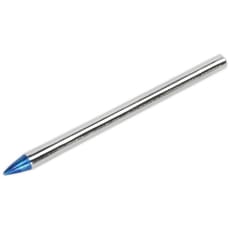
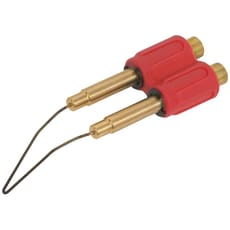
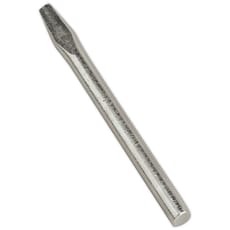
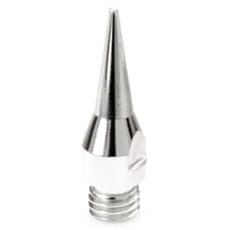
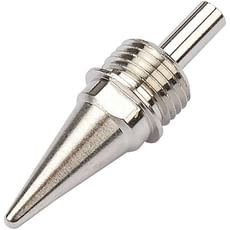
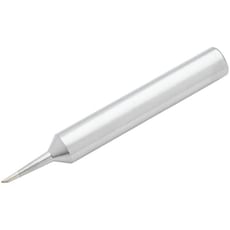
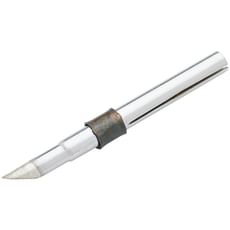
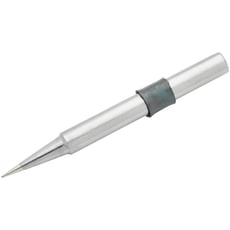
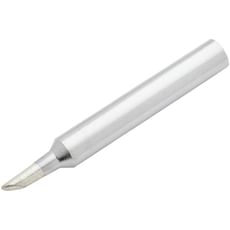
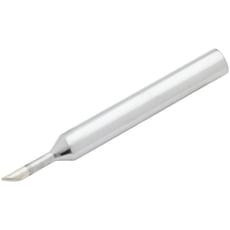
 Loading...
End of content
Error - No more pages to load
About Soldering Tips
Soldering tips are precision-engineered replacement components that form the critical working end of soldering irons, transferring heat efficiently from the heating element to create reliable electrical and mechanical joints. These consumable copper bits feature protective iron plating to resist oxidation and wear, available in numerous profiles including conical points for delicate circuit board work, chisel shapes for general-purpose soldering, and larger geometries for heavy-duty cable terminations. As tips gradually deteriorate through repeated heating cycles and oxidation, maintaining a supply of quality replacements ensures consistent soldering performance across electronics repair, electrical installation, automotive wiring and plumbing applications.
The selection at Tooled-Up.com includes compatibility-specific tips for leading soldering iron brands including Draper Expert, Sealey, Weller and Dremel Versatip systems. Each manufacturer designs tips with precise dimensions, thread patterns and thermal characteristics matched to their corresponding iron models, making correct fitment essential for optimal heat transfer and safety. Fine conical tips suit intricate PCB repairs and SMD component work where precision matters, whilst chisel profiles provide the contact area needed for through-hole soldering and wire connections. Larger tips deliver the thermal mass required for automotive electrical work and copper pipe joints where substantial heat capacity is necessary.
Professional tradespeople and electronics enthusiasts recognise that worn or oxidised tips compromise soldering quality, necessitating higher temperatures that risk damaging sensitive components and creating unreliable joints. Regular tip replacement maintains proper heat transfer efficiency, allowing your 240v soldering iron to operate at appropriate temperatures whilst delivering consistent results. Genuine manufacturer tips from brands like Weller, Draper Expert and Sealey offer superior copper cores and durable plating that significantly outlast generic alternatives, representing better value through extended service life and reliable performance in demanding professional environments.
Jargon Buster
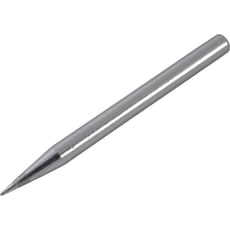
- Conical Tip: A pointed, cone-shaped tip geometry ideal for precision work on circuit boards, providing access to tight spaces between components and accurate solder placement on small connection points and SMD devices.
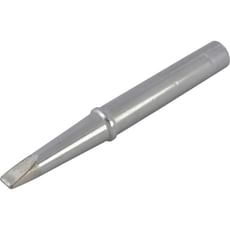
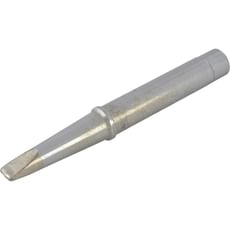
- Chisel Tip: A flat, screwdriver-shaped tip offering a larger contact area for general-purpose soldering, through-hole components, wire connections and desoldering operations. Available in various widths from fine to broad profiles.
- Iron Plating: A protective iron coating applied to copper tips that prevents corrosion and extends operational life. Never file iron-plated tips as this removes the protective layer and dramatically accelerates wear and oxidation.
- Tip Geometry: The specific shape and profile of a soldering tip, which determines heat transfer characteristics, contact surface area and suitability for different soldering applications from micro-electronics to automotive wiring.
- Oxidation: The formation of a dark oxide layer on soldering tips through exposure to heat and atmospheric oxygen, which significantly reduces thermal conductivity and prevents solder wetting. Regular cleaning and tinning prevents excessive oxidation buildup.
- Tinning: The process of coating a soldering tip with a thin protective layer of fresh solder to prevent oxidation, improve heat transfer efficiency and extend tip service life. Tips should be tinned before first use and immediately after cleaning.
Who Uses Soldering Tips?
Soldering tips are essential consumables for a diverse range of professionals and enthusiasts:
- Electricians and Sparkies: For terminating wires, repairing cable connections, creating reliable electrical joints in domestic and commercial installations, and maintaining 240v electrical equipment
- Electronics Engineers: Repairing circuit boards, prototyping electronic circuits, working with surface-mount components in development environments, and production soldering applications
- Appliance Repair Technicians: Fixing printed circuit boards in white goods, televisions, audio equipment, consumer electronics and domestic appliances requiring PCB-level repairs
- Automotive Electricians: Repairing vehicle wiring looms, electronic control units, dashboard components, sensor connections and automotive lighting systems
- Model Makers and Hobbyists: Building electronic projects, radio-controlled models, drones, Arduino projects and other precision assemblies requiring delicate soldering work
- Computer Technicians: Repairing motherboards, graphics cards, laptop components and other computer hardware requiring micro-soldering skills and precision tip control
- Plumbers: Creating leak-proof joints in copper pipework for heating systems, water installations and gas pipework using larger soldering tips with appropriate thermal mass
- Musical Instrument Technicians: Repairing guitar wiring, amplifier circuits, effects pedals, audio equipment and vintage valve amplifiers
- DIY Enthusiasts: Home electrical repairs, hobby electronics projects, general maintenance tasks and learning soldering techniques for various applications
How to Choose the Right Soldering Tips
Compatibility First: The most critical factor is ensuring the tip fits your specific soldering iron model. Tips are not universal – a Draper Expert 62073 tip won't fit a Sealey SDL6 iron, and vice versa. Check your iron's model number and select the corresponding replacement tip. Manufacturers design tips with specific dimensions, thread patterns and heating characteristics precisely matched to each iron's wattage output and heating element design.
Tip Shape and Size: Match the tip geometry to your typical work. Fine conical tips excel at precision electronics and SMD component work where accuracy and access to tight spaces matter most. Medium tips offer versatility for general circuit board assembly, through-hole components and mixed electronics work. Chisel tips provide the contact area needed for wire connections, component removal and cable work. Large tips suit heavier applications like automotive wiring, cable terminations and plumbing joints where greater thermal mass is required to heat larger conductors efficiently.
Quality and Plating: Professional-grade tips from established manufacturers like Weller, Draper Expert and Sealey feature superior copper cores and durable iron plating that extends service life significantly compared to budget alternatives. Whilst cheaper generic tips may seem economical initially, they typically oxidise faster, lose their protective plating sooner and require more frequent replacement. For tradespeople billing hourly, quality tips that maintain consistent performance represent better value through reduced downtime, fewer failed joints and extended replacement intervals.
Multiple Tips for Different Jobs: Serious users benefit from maintaining a selection of tip profiles. Having fine, medium and chisel tips available allows you to optimise your approach for each task without struggling with inappropriate tip geometry. This is particularly valuable for electronics repair technicians who might switch between delicate SMD rework and robust connector soldering multiple times daily, and for electricians working on both control panels and heavy cable terminations.
Genuine vs Pattern Parts: Whilst pattern tips exist for popular irons, genuine manufacturer replacements from brands stocked at Tooled-Up guarantee proper fit, correct thermal characteristics and reliable performance. The modest price difference is worthwhile for professional applications where soldering quality directly affects work reputation, customer satisfaction and warranty claims on completed work.
Popular Accessories
- Soldering Irons and Stations: The primary 240v tools that soldering tips fit into, available in various wattages from basic pencil irons to temperature-controlled stations for professional use
- Tip Cleaners: Brass wool or cellulose sponges for removing oxidation and excess solder from tips between joints, essential for maintaining optimal heat transfer and tip longevity
- Tip Tinner: Chemical cleaning compounds that clean and re-tin worn tips, restoring their soldering performance and extending service life when regular tinning proves insufficient
- Solder Wire: Lead-free or traditional lead-based solder in various diameters, with flux cores for electronics work or solid wire for plumbing applications
- Flux: Chemical cleaning agents that improve solder flow, remove oxidation and create stronger joints, available as paste, liquid or pen applicators for different applications
- Tip Stands and Holders: Safety rests that securely hold hot soldering irons when not in use, preventing accidents, burns and workbench damage
- Desoldering Pumps and Braid: Tools for removing excess or unwanted solder when repairing components, correcting mistakes or recovering parts from scrap boards
- Heat-Resistant Mats: Protective work surfaces that prevent damage to benches from hot tips, solder splashes and accidental contact with heated components
- Fume Extractors: Ventilation equipment for removing harmful solder fumes, particularly important when working with lead-based solder or rosin flux in enclosed spaces
Safety Information
Soldering tips reach temperatures between 300-400°C and present serious burn risks requiring appropriate precautions. Always use a proper tip stand when setting down your iron, never placing it directly on your workbench or other surfaces. Allow adequate cooling time before changing tips – many users sustain burns attempting to swap hot tips without waiting or using appropriate tools. Some irons feature screw-on tips that require spanners rather than hand-tightening, reducing burn risks during replacement.
Work in well-ventilated areas or use fume extraction equipment, particularly when soldering with lead-based solder or working with rosin flux. Whilst the tips themselves don't generate fumes, the solder and flux vaporise during use, producing potentially harmful particles including lead vapour and flux decomposition products. The HSE recommends local exhaust ventilation for regular soldering work in professional environments, with COSHH assessments required where employees solder frequently.
Wear appropriate eye protection when soldering, especially during desoldering operations where molten solder can splash unexpectedly. Heat-resistant gloves may be appropriate for heavy-duty soldering applications but can reduce dexterity for precision electronics work where manual control is critical. Keep a suitable first aid kit nearby including burns dressings specifically designed for heat injuries, and ensure you understand basic burns treatment procedures including cooling under running water.
Inspect tips regularly for damage or excessive wear that might affect safe operation. Damaged tips may not transfer heat properly, potentially causing the iron to overheat, creating inconsistent temperature zones or allowing the heating element to protrude dangerously. Replace worn tips promptly to maintain safe operating temperatures, prevent equipment damage and ensure reliable 240v electrical safety. Never continue using tips with holes, severe pitting or exposed copper cores where the iron plating has worn through completely.
Frequently Asked Questions
How often should I replace soldering tips?
This depends entirely on usage frequency, maintenance practices and working temperatures. With proper care – regular cleaning, tinning before and after each session, and appropriate temperature settings – quality tips from brands like Weller or Draper Expert can last months of daily professional use. Signs that replacement is needed include persistent oxidation that won't clean off, pitting or holes in the tip surface, difficulty maintaining stable temperature, and physical deformation of the working end. Hobbyists may find tips last years with occasional use, whilst production environments or busy repair workshops might replace them monthly or even weekly under intensive use.
Can I use any tip with my soldering iron?
No, tips are manufacturer and model-specific, designed to fit particular iron designs. Each soldering iron uses tips with particular thread patterns, barrel dimensions and heating element contact designs unique to that model range. Using incorrect tips results in poor fit, inadequate heat transfer, potential damage to your iron's heating element, and serious safety risks including tips falling out during use. Always check your iron's model number and purchase compatible replacement tips. The product specifications clearly state which iron models each tip fits, such as tips for Draper 62073, 62074 or 62075 models.
Why does my tip keep going black and not accepting solder?
This indicates oxidation caused by excessive heat, insufficient tinning, contamination or worn plating. Reduce your iron's temperature if adjustable – many users run 240v irons hotter than necessary, accelerating oxidation. Clean the tip thoroughly with brass wool and immediately apply fresh solder to create a protective tinned coating. Never use files or abrasive papers on plated tips as this removes the protective iron coating and exposes the copper core. If the tip won't accept solder after cleaning, try tip tinner compound or consider replacement if the plating has worn through to the copper substrate.
What's the difference between fine, medium and large tips?
These size designations refer to the tip's contact area and thermal mass. Fine tips offer precision for detailed circuit board work, SMD components and small connection points but have less heat capacity, making them unsuitable for larger joints that draw heat away quickly. Medium tips provide versatility for general electronics assembly, through-hole components and mixed PCB work. Large tips deliver greater thermal mass for heavier applications like cable terminations, automotive wiring and plumbing joints where more heat is needed to bring larger conductors and copper pipes up to soldering temperature quickly without excessive waiting.
Are genuine manufacturer tips worth the extra cost compared to generic alternatives?
For professional use, absolutely. Genuine tips from established brands like Weller, Draper Expert and Sealey feature superior copper cores, more durable iron plating, and precise manufacturing tolerances that ensure proper fit and optimal heat transfer. They typically last significantly longer than cheaper alternatives, maintain consistent temperatures across their working life, and reduce frustration from poor soldering performance that wastes time and materials. The modest price difference is worthwhile when your work quality, customer satisfaction and professional reputation depend on reliable tools that perform consistently under demanding conditions.