

Soldering

Pay in 3 interest-free payments on purchases from £20-£3000 with  . Learn more.
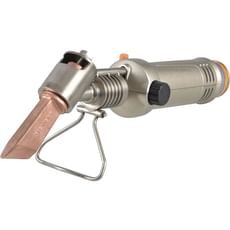
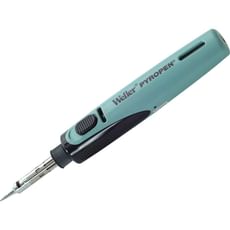
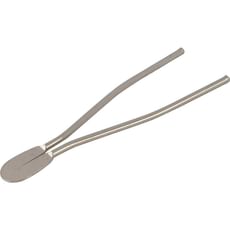
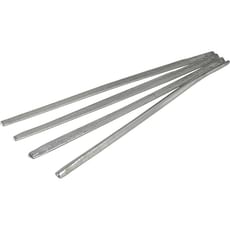
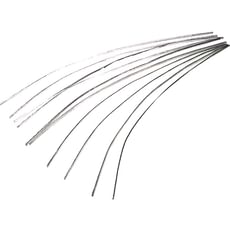
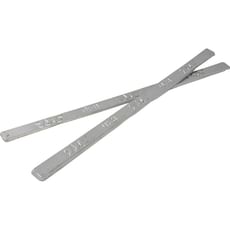
 Loading...
End of content
Error - No more pages to load
About Soldering
Soldering is a fundamental metalworking process that joins two or more components together by melting a filler metal—known as solder—into the joint. Unlike welding, soldering uses a lower temperature that melts the filler material without melting the base metals being joined. This makes it ideal for delicate electronics work, circuit board assembly, copper pipe plumbing, and precision metalwork where excessive heat could cause damage. The solder flows into the gap between components through capillary action, creating a strong electrical and mechanical bond once cooled.
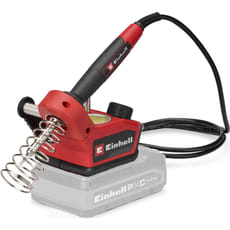
The soldering category at Tooled-Up.com encompasses a comprehensive range of equipment and materials for both professional tradespeople and DIY enthusiasts. From temperature-controlled soldering stations for precision electronics work to powerful soldering guns for heavy-duty electrical connections, the selection covers applications across electronics assembly, electrical maintenance, jewellery making, automotive wiring, and stained glass work. Modern soldering equipment has evolved considerably, with digital temperature controls, rapid heat-up times, and ergonomic designs that reduce operator fatigue during extended use.
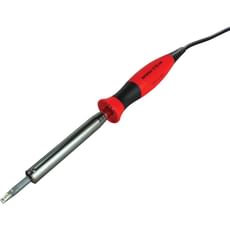
Whether you're an electronics technician repairing circuit boards, a plumber joining copper fittings, or a hobbyist building your own electronic projects, having the right soldering equipment is essential for achieving reliable, long-lasting joints. The category includes soldering irons ranging from simple 240v mains-powered models to sophisticated temperature-controlled stations, plus all the necessary accessories including soldering wire in various alloys and diameters, flux, cleaning sponges, heat-resistant stands, and replacement tips.
Jargon Buster
- Solder: The fusible metal alloy used to join components together. Traditionally made from tin and lead, modern electronics solder is typically lead-free, using tin-silver-copper alloys to comply with RoHS environmental regulations.
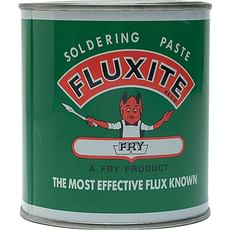
- Flux: A chemical cleaning agent that removes oxidation from metal surfaces before soldering, allowing the molten solder to flow smoothly and create a stronger bond. Flux is often contained within the core of soldering wire.
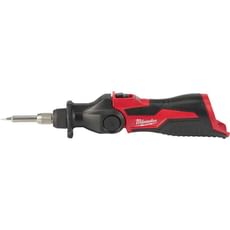
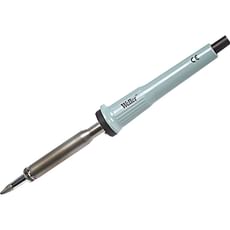
- Soldering Iron: An electrically heated hand tool with a metal tip that transfers heat to melt solder. Available in various wattages from 15W for delicate electronics to 100W+ for heavier applications.
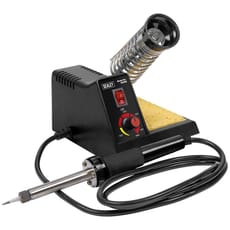
- Soldering Station: A more advanced system consisting of a power unit with temperature controls and a separate soldering iron connected by a cable. Offers precise temperature regulation and consistent heat output for professional work.
- Tip Temperature: The working temperature at the soldering iron tip, typically ranging from 300°C to 450°C. Lead-free solder generally requires higher temperatures (around 370-400°C) than traditional leaded solder.
- Cold Joint: A defective solder connection that occurs when insufficient heat is applied, resulting in a dull, grainy appearance and poor electrical conductivity. Often requires reworking to achieve a proper connection.
Who Uses Soldering?
Soldering equipment is essential for a diverse range of trades and applications:
- Electricians and Sparkies: For terminating cables, repairing electrical connections, and joining wires in junction boxes
- Electronics Engineers and Technicians: For circuit board assembly, component replacement, and prototype development
- IT and Computer Repair Technicians: For repairing motherboards, graphics cards, and other computer components
- Automotive Electricians: For vehicle wiring repairs, sensor replacements, and custom electrical installations
- Plumbers: For joining copper pipes in heating and plumbing systems (though often using blowtorches for larger diameter pipes)
- Jewellery Makers and Silversmiths: For assembling precious metal pieces and creating intricate metalwork
- Stained Glass Craftspeople: For joining copper foil-wrapped glass pieces using traditional techniques
- Model Makers and Hobbyists: For electronics projects, RC models, and DIY electronic assemblies
- Musical Instrument Technicians: For repairing amplifiers, effect pedals, and guitar electronics
- Maintenance Engineers: For industrial equipment repair and control panel maintenance
How to Choose the Right Soldering Equipment
Application Type: Consider your primary use case. Delicate circuit board work requires a precision temperature-controlled soldering iron with a fine tip (15-50W), whilst heavier electrical work or cable terminations need a more powerful iron or soldering gun (60-150W). For occasional quick jobs, a soldering gun with rapid heat-up offers convenience, whereas frequent use demands a proper soldering station.
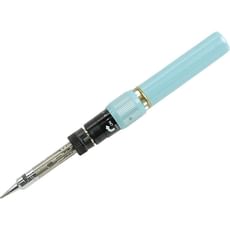
Power Source: Most soldering irons run from standard 240v mains power, ideal for workshop or bench use. For portable applications or site work without mains access, cordless butane gas-powered irons offer flexibility, though they typically provide less precise temperature control.
Temperature Control: Basic soldering irons operate at a fixed temperature, suitable for simple tasks with a single solder type. For professional work, especially with modern lead-free solder, a temperature-controlled station allows precise adjustment (typically 150-450°C) and maintains consistent heat regardless of thermal load, preventing component damage and ensuring reliable joints.
Wattage Rating: Higher wattage doesn't necessarily mean hotter operation—it indicates the iron's ability to maintain temperature when heat is drawn away by larger components or thermal mass. A 25W iron suits small PCB work, 40-60W handles general electronics and medium cables, whilst 80-150W irons or guns are needed for substantial electrical connections or metalwork.
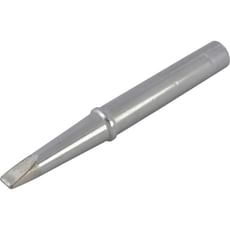
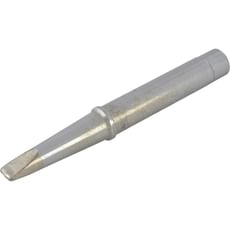
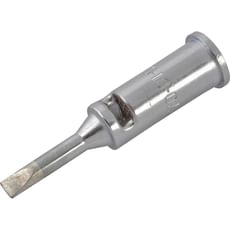
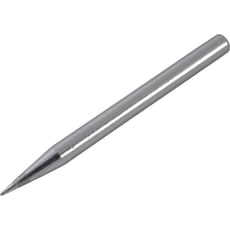
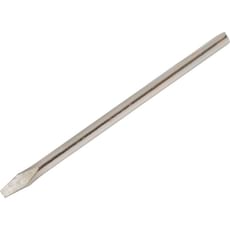
Tip Variety and Availability: Different tasks require different tip shapes—chisel tips for general work, fine conical tips for precision electronics, and broader tips for sheet metal. Check that replacement tips are readily available from Tooled-Up for your chosen model, as tips gradually wear and oxidise with use.
Ergonomics and Build Quality: For extended use, consider handle design, weight distribution, and cable flexibility. Professional models feature heat-resistant silicone cables and well-balanced handles that reduce wrist strain. Budget irons may suffice for occasional use, but brands like Weller and Antex offer superior longevity and comfort for regular use.
Popular Accessories
- Soldering Wire: Available in various diameters (0.5mm to 2mm) and alloy compositions including lead-free and traditional leaded formulations
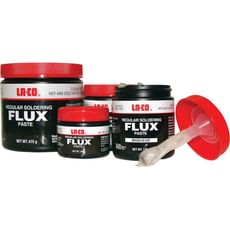
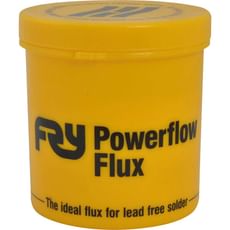
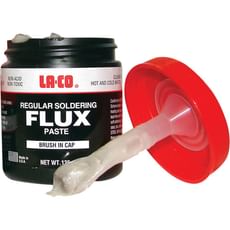
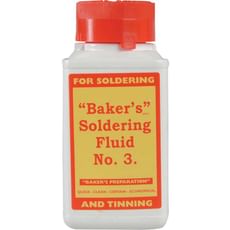
- Flux Paste and Liquid: Additional flux for challenging joints or when using solid-core solder wire
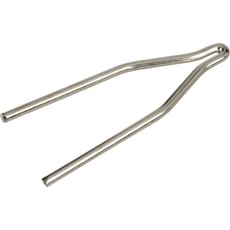
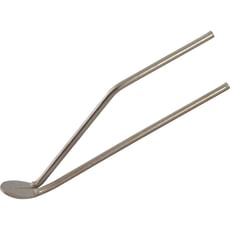
- Soldering Tips: Replacement tips in various shapes including chisel, conical, bevel, and knife profiles
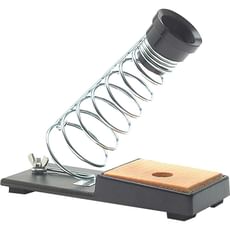
- Soldering Stands and Holders: Heat-resistant stations with tip cleaning sponges or brass wool for safely resting hot irons
- Tip Cleaner: Brass wire sponges or cellulose sponges for maintaining clean, tinned tips between joints
- Desoldering Pumps and Wick: For removing solder when correcting mistakes or replacing components
- Heat-Resistant Mats: Silicone work surfaces to protect benches from heat damage and solder splashes
- Helping Hands: Adjustable clamps and magnifying glasses for holding work steady during soldering
- Fume Extractors: Ventilation systems to remove potentially harmful solder fumes from the breathing zone
- Tip Tinner: Chemical compound for restoring oxidised tips and maintaining optimal heat transfer
- Anti-Static Mats: ESD-safe work surfaces for protecting sensitive electronic components
Safety Information
Heat Hazards: Soldering irons reach temperatures exceeding 400°C and can cause severe burns. Always use a proper stand when not actively soldering, never leave equipment unattended whilst powered on, and allow adequate cooling time before storage. Keep flammable materials well clear of the work area and ensure your workspace has adequate heat-resistant protection.
Fume Exposure: Soldering produces fumes containing flux vapours and, in leaded solder, potentially harmful lead particles. Work in well-ventilated areas or use a fume extractor to draw vapours away from your breathing zone. Avoid eating, drinking, or smoking whilst soldering, and wash hands thoroughly after use, especially when working with leaded solder.
Electrical Safety: Ensure your soldering equipment is properly earthed via a standard UK 13A plug, and regularly inspect cables for damage. Never use equipment with frayed leads or damaged insulation. When working on electrical circuits, always isolate the power supply first—never solder live circuits.
Eye Protection: While not always necessary for routine soldering, safety glasses protect against accidental solder splashes and flux spatter, particularly when working overhead or desoldering components where molten solder may flick unexpectedly.
Fire Prevention: Keep a suitable fire extinguisher nearby when soldering, particularly in workshops containing combustible materials. Be aware that solder can drip or splash onto surfaces, and even small amounts can ignite paper, cloth, or dust. The HSE recommends maintaining good housekeeping practices around hot work operations.
Frequently Asked Questions
What's the difference between a soldering iron and a soldering gun?
A soldering iron is the most common tool, available in fixed-temperature or variable models, ideal for electronics and precision work with quick heating and good control. A soldering gun is a heavier-duty tool with a trigger-operated heating element that reaches working temperature very quickly (typically 5-10 seconds), delivers higher heat output, but is less suitable for delicate circuit board work. Guns excel at infrequent heavy-gauge wire joints where rapid heat-up and cool-down is advantageous.
Should I choose lead-free or leaded solder?
Lead-free solder (typically tin-silver-copper alloy) is now standard for commercial electronics to comply with RoHS environmental regulations, requires slightly higher temperatures (around 370-400°C), and produces joints that can appear slightly duller. Traditional leaded solder (tin-lead alloy) melts at lower temperatures, flows more easily, and creates shinier joints, but contains toxic lead. For hobby use, either is acceptable, though lead-free is increasingly preferred. Always wash hands after handling leaded solder.
What wattage soldering iron do I need?
For general electronics hobby work and small circuit boards, a 25-40W iron is adequate. Professional electronics work and medium cables benefit from 40-60W models. Heavy-duty electrical connections, large components, or metalwork require 80-150W irons or soldering guns. Remember that wattage indicates thermal recovery capability rather than just temperature—higher wattage maintains consistent heat when soldering larger thermal masses.
How do I maintain my soldering iron tips?
Keep tips tinned with a thin coating of fresh solder when hot to prevent oxidation. Clean regularly using a damp cellulose sponge or brass wire cleaner—avoid abrasive materials that damage the plating. If a tip becomes heavily oxidised (appearing black and not accepting solder), use tip tinner or activator to restore it. Replace tips when they become pitted or the plating wears through, as damaged tips transfer heat poorly and contaminate joints.
Can I solder copper pipes with a soldering iron?
Whilst technically possible for very small diameter pipes (under 15mm), soldering irons lack sufficient thermal mass for typical plumbing applications. Most plumbers use blowtorches that deliver far greater heat output needed to bring copper pipes and fittings to the required temperature (around 200-250°C) for capillary action. For small-scale craft or model work with thin copper, a high-wattage soldering iron may suffice, but proper plumbing demands torch-based methods.