

Space Heaters
Pay in 3 interest-free payments on purchases from £30-2000 with  . Learn more.
 Loading...
End of content
Error - No more pages to load
About Space Heaters
Space heaters are powerful, portable heating solutions designed to provide temporary or supplementary warmth in workshops, construction sites, warehouses, garages, and other commercial or industrial environments. Unlike permanent heating installations, these versatile units deliver targeted heat exactly where it's needed, making them indispensable for tradespeople working in unheated spaces or during harsh British winters. Whether you're maintaining comfortable working temperatures on site, accelerating drying times for plaster and paint, or protecting materials from frost damage, space heaters offer flexible heating solutions that can be moved between locations as project demands change.
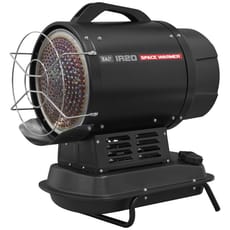
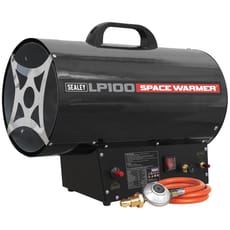
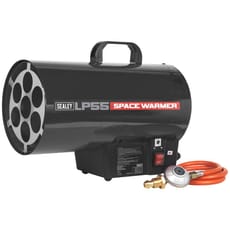
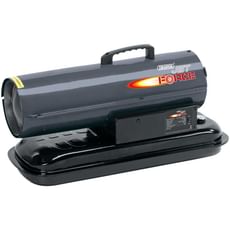
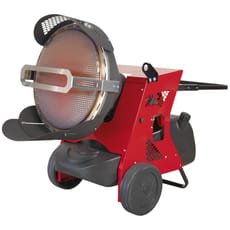
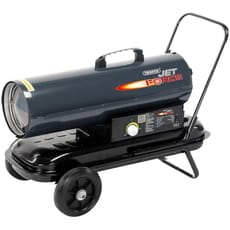
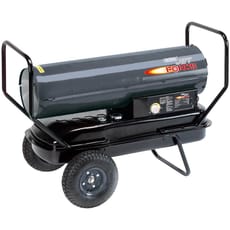
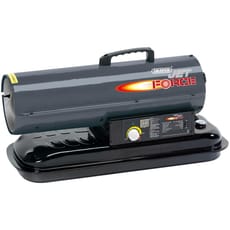
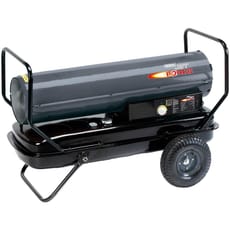
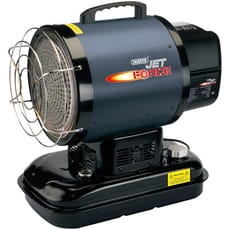
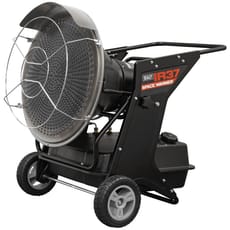
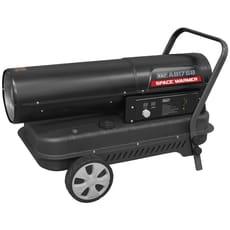
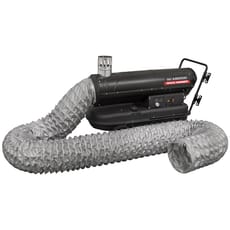
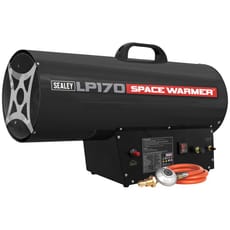
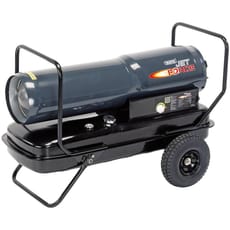
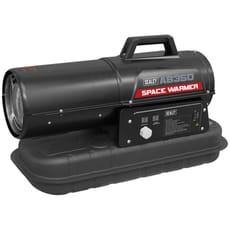
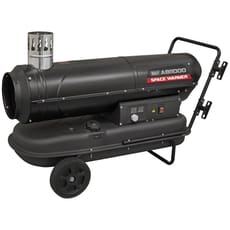
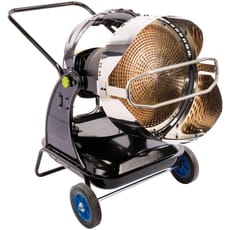
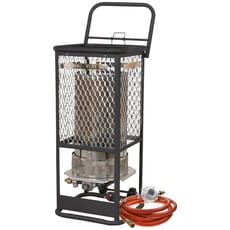
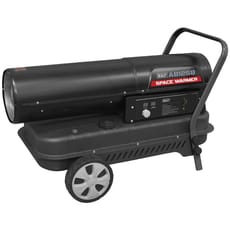
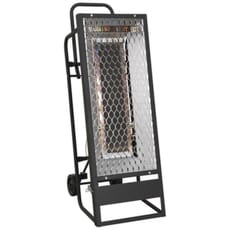
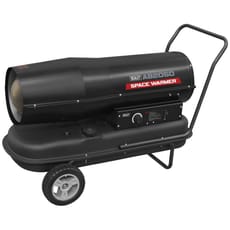
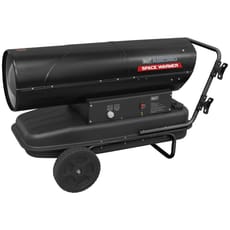
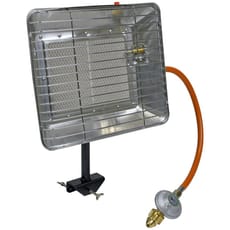
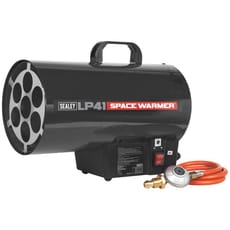
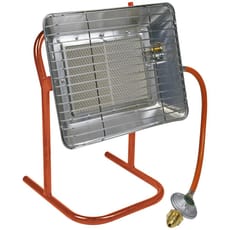
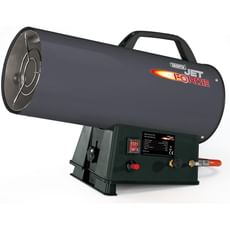
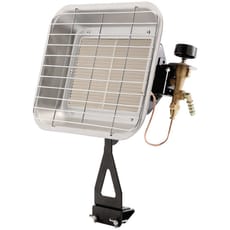
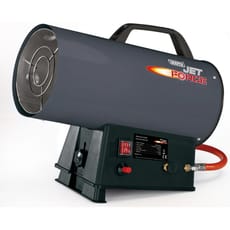
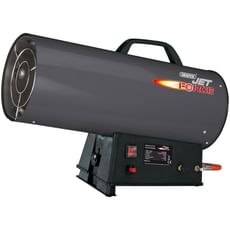
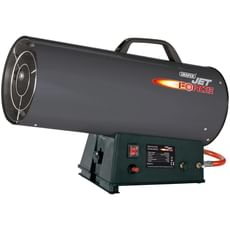
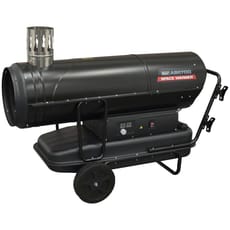
The space heater category at Tooled-Up.com encompasses several fuel types to suit different applications and site requirements. Diesel and paraffin space heaters dominate construction site use, offering robust performance and substantial heat output measured in kilowatts (kW) without requiring mains electricity supply. Propane space heaters provide cleaner combustion with bottle-mounted or cylinder-fed designs, whilst jet force models combine powerful fan-assisted circulation with high heat output to warm even the largest areas rapidly. Infrared variants deliver radiant heat that warms objects and people directly rather than heating ambient air, proving particularly effective in draughty or semi-outdoor conditions where conventional heaters struggle with heat loss.
Professional-grade space heaters from trusted brands like Sealey and Draper feature comprehensive safety mechanisms including flame failure devices, overheat protection, and stable wheeled bases for site mobility. Many models incorporate thermostatic controls for efficient fuel consumption, whilst heavy-duty steel construction with protective powder-coated finishes ensures longevity in demanding environments. Heat outputs typically range from compact 10kW units suitable for small workshops through to powerful 100kW+ industrial heaters capable of warming vast warehouse spaces or drying out entire building shells during construction projects.
Jargon Buster
- BTU (British Thermal Unit): A traditional measurement of heat output indicating energy required to heat one pound of water by one degree Fahrenheit. Higher BTU ratings mean greater heating capacity for larger spaces, though UK models typically specify output in kilowatts (kW) for easier comparison.
- Jet Force Heating: A fan-assisted heating system that propels heated air across greater distances, ensuring rapid and even heat distribution throughout workspaces. Particularly effective in large or draughty environments where natural convection proves insufficient.
- Infrared Heating: A radiant heating method that emits heat waves which warm objects, people, and surfaces directly rather than heating surrounding air. More efficient in draughty or outdoor conditions where convected heat would be lost, and provides instant warmth without waiting for air temperature to rise.
- Direct vs Indirect Heating: Direct-fired heaters exhaust combustion gases into the heated space (suitable for well-ventilated areas), whilst indirect heaters vent fumes outside through flue systems, making them appropriate for enclosed spaces with limited ventilation.
- Flame Failure Device: A critical safety feature that automatically shuts off fuel supply if the flame is accidentally extinguished, preventing dangerous fuel accumulation and potential fire hazards. Essential safety equipment required on all modern combustion heaters.
- Thermostatic Control: An automatic temperature regulation system that cycles the heater on and off to maintain consistent temperatures, significantly improving fuel efficiency and preventing overheating whilst reducing running costs.
Who Uses Space Heaters?
- Construction workers and site managers maintaining habitable temperatures in buildings under construction or renovation
- Builders and plasterers accelerating drying times for plaster, concrete, screeds, and render applications
- Painters and decorators ensuring optimal curing conditions and preventing condensation during paint application
- Mechanics and vehicle technicians heating automotive workshops and garages during winter months
- Agricultural workers and farmers protecting livestock housing, equipment stores, and crop storage facilities from freezing conditions
- Warehouse and logistics managers maintaining comfortable working temperatures in large storage facilities
- Event organisers providing temporary heating for marquees, outdoor venues, and temporary structures
- Garden centre operators and horticulturalists protecting plants and maintaining greenhouse temperatures
- Flood restoration contractors and industrial cleaning specialists drying out water-damaged properties
- Carpenters and joiners heating workshops and preventing timber moisture problems during cold weather
- DIY enthusiasts heating home workshops, sheds, and outbuildings during winter projects
How to Choose the Right Space Heaters
Calculate Heat Output Requirements: Determine your space volume in cubic metres (length × width × height) and multiply by 40-60 watts per cubic metre depending on insulation quality. Well-insulated modern buildings require approximately 30-40 watts per cubic metre, whilst older or poorly insulated structures may need 60 watts or more. A typical 10m × 8m workshop with 3m ceiling height (240 cubic metres) would require approximately 10-15kW heating capacity for comfortable UK winter working conditions.
Select Appropriate Fuel Type: Diesel and paraffin heaters offer excellent portability and high heat output without requiring 240v electrical supply, making them ideal for remote construction sites. Propane models provide cleaner combustion with less odour, suiting semi-enclosed spaces where exhaust gases may linger. Electric space heaters offer convenience and zero emissions but require adequate electrical supply and prove expensive to run for extended periods. Consider fuel availability, storage requirements, and running costs when making your selection.
Direct or Indirect Firing: Direct-fired heaters are more efficient and cost-effective but exhaust combustion gases into the workspace, requiring adequate ventilation to comply with HSE guidelines. Calculate ventilation requirements based on manufacturer specifications and room volume. Indirect heaters with chimney systems are essential for enclosed spaces with limited natural ventilation, though they typically cost more and have slightly reduced efficiency due to heat loss through flue systems.
Assess Portability and Build Quality: Professional-grade units should feature robust steel construction with protective guards, ergonomic carry handles, and stable wheeled bases for site mobility. Examine fuel tank capacity against weight—larger tanks extend operating time but reduce portability. Heavy-duty fans, reinforced components, and corrosion-resistant powder-coated finishes ensure longevity in demanding site conditions.
Verify Safety Features: Essential safety mechanisms include flame failure devices, overheat protection, tip-over switches, and cool-touch handles. Models compliant with relevant BS EN standards provide assurance of safe operation when used according to manufacturer guidelines. Check for safety certification marks before purchase.
Compare Running Costs: Examine fuel consumption rates (measured in litres per hour) against heat output to determine operating efficiency. Thermostatic controls significantly reduce fuel consumption by preventing unnecessary continuous operation. Calculate approximate daily running costs based on current fuel prices and expected usage patterns to avoid budget surprises on larger projects.
Popular Accessories
- Thermostat Controllers: External thermostatic devices for models without built-in temperature regulation, enabling automatic temperature maintenance and substantial fuel savings over manual operation
- Ducting Kits: Flexible ducting and distribution systems for channelling heated air to specific areas or multiple rooms from a single heater unit, maximising efficiency in complex layouts
- Approved Fuel Containers: HSE-compliant diesel, paraffin, or propane storage containers and jerry cans for safe fuel storage and transportation to site locations
- Propane Regulators and Hoses: Replacement gas regulators and high-pressure hoses compatible with standard UK propane cylinders and bottles
- Ventilation Chimney Kits: Flue pipes and exhaust systems for converting direct heaters to indirect operation in poorly ventilated spaces or enclosed areas
- Heater Stands and Trolleys: Elevating platforms and wheeled transport solutions for improved air circulation and easier site-to-site mobility
- Carbon Monoxide Detectors: Essential safety monitoring equipment for enclosed spaces where combustion heaters are operated, providing early warning of dangerous CO accumulation
Safety Information
Ensure Adequate Ventilation: Always provide sufficient ventilation when operating space heaters, particularly direct-fired models. HSE guidance recommends adequate fresh air supply to prevent carbon monoxide accumulation and oxygen depletion. Never operate combustion heaters in completely sealed environments. Calculate minimum ventilation requirements based on heater output and room volume, typically requiring permanent openings providing continuous air circulation.
Handle Fuels Safely: Store diesel, paraffin, and propane fuels in approved containers away from ignition sources, following COSHH regulations and manufacturer recommendations. Only refuel heaters when cool and switched off, in well-ventilated areas away from naked flames. Inspect fuel lines and connections regularly for leaks, addressing any issues immediately before operation.
Maintain Clearance Distances: Position heaters according to manufacturer-specified clearances from combustible materials, typically at least 1-2 metres from walls, furniture, timber, and flammable substances. Never use space heaters to dry clothing or materials draped over or positioned near the unit, as this creates serious fire risk.
Secure Positioning and Supervision: Place heaters on stable, level, non-combustible surfaces away from high-traffic areas where they might be knocked over. Never leave operating heaters completely unattended for extended periods. Ensure units cannot be bumped by passing workers, vehicles, or equipment, particularly on busy construction sites.
Monitor Carbon Monoxide Levels: Install battery-operated carbon monoxide detectors when using combustion heaters indoors or in semi-enclosed spaces. Familiarise all site workers with CO poisoning symptoms including headaches, dizziness, nausea, and confusion, which may indicate dangerous levels requiring immediate evacuation and ventilation.
Electrical Safety Compliance: For electric or fan-assisted models, ensure connections to suitable 240v supplies using appropriate extension leads rated for the heater's power consumption. Keep electrical components, connections, and plugs away from water, moisture, and damp surfaces to prevent shock hazards.
Frequently Asked Questions
What size space heater do I need for my workshop or construction site?
Calculate your space volume (length × width × height in metres) and multiply by 40-60 watts per cubic metre depending on insulation quality and exposure. For example, a typical double garage workshop measuring 6m × 6m with 2.5m ceiling height (90 cubic metres) would require approximately 4-6kW heating capacity for comfortable working conditions during UK winter months. Poorly insulated or draughty spaces may require higher output.
Can I use a diesel space heater indoors safely?
Direct-fired diesel heaters can be used indoors only with excellent ventilation, as combustion gases exhaust into the workspace. For enclosed areas with limited natural ventilation, choose an indirect heater with proper flue installation venting outside, or consider alternative heating methods. Always follow HSE ventilation guidelines, use carbon monoxide detectors, and ensure workers understand safety procedures before operating combustion heaters indoors.
What's more economical to run: diesel, paraffin, or propane space heaters?
Diesel typically offers the lowest running costs per kW of heat output, followed by paraffin (which many diesel heaters can also burn). Propane generally costs more per hour of operation but offers cleaner combustion, easier fuel storage, and less odour. Compare current fuel prices against manufacturer-specified consumption rates (litres or kg per hour) to calculate actual running costs for your specific usage patterns.
How long will a tank of fuel last in a typical space heater?
Fuel consumption varies significantly by heat output and model efficiency. A typical 20kW diesel heater consumes approximately 2 litres per hour at full output. Models with thermostatic control cycling the heater on and off to maintain temperature may reduce actual consumption by 40-60% compared to continuous operation. Always check manufacturer specifications for precise consumption rates for your specific model and fuel type.
Do I need any qualifications to operate industrial space heaters on site?
Whilst no specific legal certification is required for operating space heaters, employers must ensure operators receive adequate training under Health and Safety at Work regulations. Training should cover safe fuel handling, ventilation requirements, fire safety, emergency procedures, and recognition of carbon monoxide poisoning symptoms. Site managers should conduct thorough risk assessments before deploying heating equipment and document operator training for HSE compliance.