

Spanner Sets
Pay in 3 interest-free payments on purchases from £30-2000 with  . Learn more.
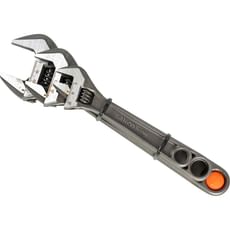
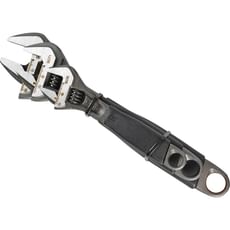
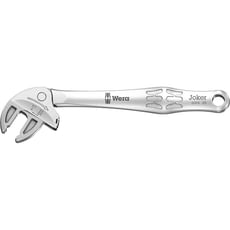
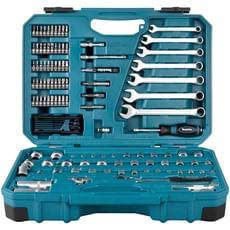
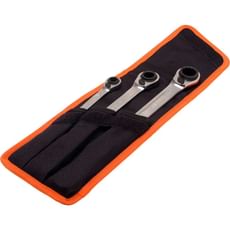
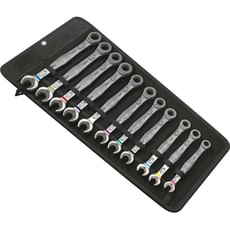
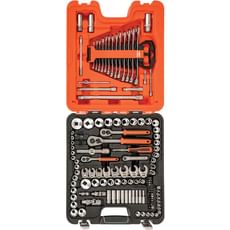
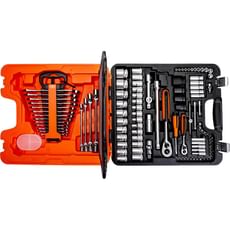
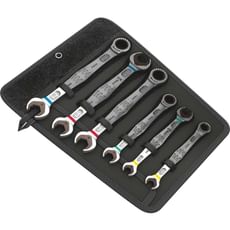
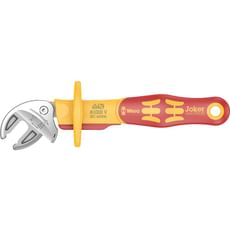
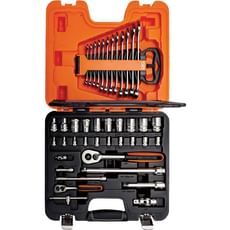
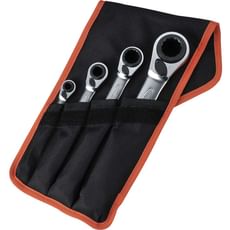
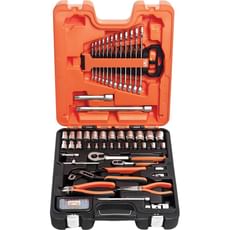
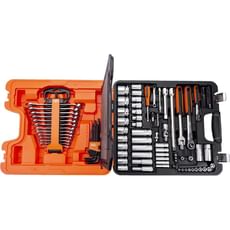
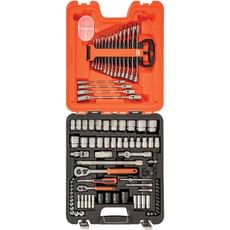
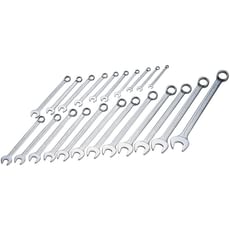
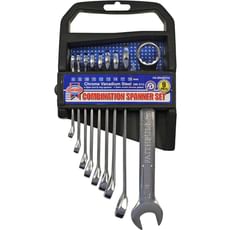
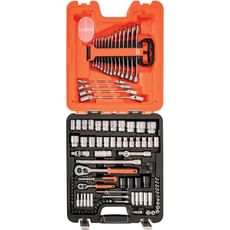
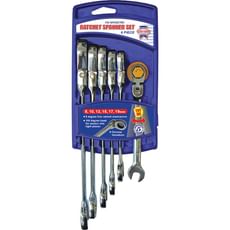
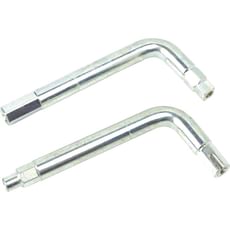
 Loading...
End of content
Error - No more pages to load
About Spanner Sets
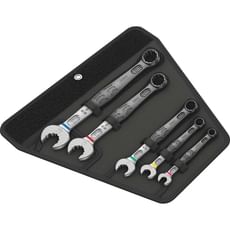
Spanner sets are essential collections of hand tools designed to tighten and loosen fasteners of various sizes, making them indispensable for mechanical work, assembly tasks, and maintenance applications. These comprehensive sets typically include multiple spanners in graduated sizes, covering the most common fastener dimensions encountered in automotive, engineering, plumbing, and general construction work. Available in combination, ring, open-ended, adjustable, and ratcheting configurations, spanner sets provide tradespeople and DIY enthusiasts with the right tool for virtually any fastening challenge.
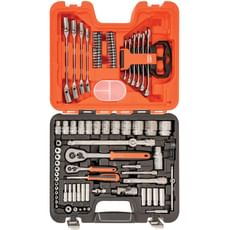
The range at Tooled-Up includes spanner sets from leading manufacturers such as Bahco, Draper, and Blue Spot, offering everything from compact 3-piece adjustable spanner collections to comprehensive 138-piece sets that combine spanners with sockets, screwdriver bits, and other essential accessories. Professional-grade sets typically feature chrome vanadium steel construction with corrosion-resistant finishes, whilst many modern designs incorporate ratcheting mechanisms and reversible heads to speed up repetitive fastening tasks. Sets are commonly supplied in organised storage pouches, cases, or foam inserts that keep each spanner easily identifiable and protected from damage.
Whether you're a professional mechanic requiring metric and imperial sizes for vehicle maintenance, a plumber needing adjustable spanners for pipework, or a maintenance engineer assembling machinery, selecting the right spanner set ensures you have the correct tool readily available. Quality spanner sets conform to recognised standards such as DIN 3113, ISO 3318, and ISO 7738, guaranteeing accurate sizing and load-bearing capabilities that prevent fastener damage and reduce the risk of tool slippage during use.
Jargon Buster
- Combination Spanner
- A spanner featuring an open-ended jaw at one end and a ring (closed loop) at the other, both sized for the same fastener. The open end provides quick access whilst the ring end offers better grip and torque application.
- Ratcheting Spanner
- A spanner with an integrated ratchet mechanism in the ring end, allowing continuous tightening or loosening without removing the tool from the fastener. These significantly speed up repetitive tasks and work well in confined spaces.
- Chrome Vanadium
- A steel alloy containing chromium and vanadium that provides exceptional strength, durability, and resistance to wear. This is the standard material for professional-quality spanners, offering an excellent balance of toughness and affordability.
- Offset Ring End
- The angled design of a ring spanner head, typically 15 or 45 degrees, which provides clearance for fingers and improves access to recessed fasteners. The offset also allows the spanner to be flipped for incremental turning in restricted spaces.
- AF (Across Flats)
- Imperial sizing measurement referring to the distance across the flat parallel sides of a hexagonal fastener, measured in inches or fractions thereof. Common AF sizes include 1/4", 3/8", 1/2", and 3/4".
- DIN 3113
- The German industrial standard (Deutsche Industrie Norm) specifying dimensional tolerances, material requirements, and performance characteristics for spanners. Conformance ensures accurate fit and safe working loads.
Who Uses Spanner Sets?
- Motor mechanics and automotive technicians – for engine work, brake servicing, suspension repairs, and general vehicle maintenance
- Plant and machinery engineers – maintaining and repairing industrial equipment, agricultural machinery, and manufacturing installations
- Plumbers and heating engineers – tightening pipe fittings, tap connectors, radiator valves, and boiler components
- Bicycle mechanics – adjusting and maintaining bikes, from basic commuter models to professional racing machines
- General builders and construction workers – assembling scaffolding, formwork, steel structures, and site equipment
- Maintenance technicians – carrying out planned preventative maintenance across commercial and industrial premises
- Electricians – securing cable glands, tightening earth clamps, and installing electrical enclosures
- Agricultural and groundcare workers – maintaining tractors, mowers, cultivators, and farming implements
- DIY enthusiasts and homeowners – tackling furniture assembly, household repairs, and home improvement projects
- Marine engineers – servicing boat engines, deck fittings, and nautical equipment in corrosive saltwater environments
How to Choose the Right Spanner Sets
Measurement System: Determine whether you need metric (mm), imperial (AF/inches), or dual system sets based on the fasteners you regularly encounter. European vehicles, modern machinery, and most contemporary equipment use metric sizing, whilst older British machinery and American equipment often require imperial sizes. Many comprehensive sets available from Tooled-Up.com include both measurement systems for maximum versatility.
Set Size and Coverage: Consider the range of fastener sizes you work with regularly. Compact 5-11 piece sets suit occasional users and specific applications, whilst 12-17 piece sets provide comprehensive coverage for general mechanical work. Larger combination sets incorporating sockets, bits, and other accessories offer exceptional value for professional workshops. Check that the set includes the specific sizes you use most frequently, particularly mid-range dimensions like 10mm, 13mm, and 17mm which are extremely common.
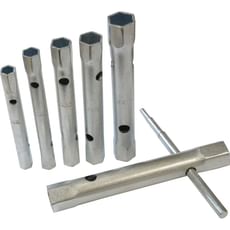
Spanner Type: Combination spanners offer the versatility of open and ring ends, making them the most popular choice for general work. Ratcheting spanners dramatically increase productivity when dealing with numerous fasteners or working in confined spaces. Adjustable spanner sets provide flexibility for varied fastener sizes but may lack the precision and strength of fixed-size tools. Specialist sets featuring flare nut, crowsfoot, or obstruction spanners suit specific trades and applications.
Material and Finish: Chrome vanadium steel provides excellent durability for professional use, whilst the surface finish affects corrosion resistance and aesthetics. Chrome-plated finishes offer good protection and are easy to clean, matt finishes reduce glare and hide minor scratches, whilst satin or polished finishes provide premium corrosion resistance. Brands like Bahco and Draper specify their steel grades and finishing processes for quality assurance.
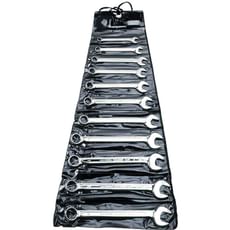
Storage and Organisation: Professional-quality sets include organised storage solutions such as roll pouches, moulded cases, or foam insert trays that clearly display each spanner size. Good storage protects your investment, speeds up tool selection, and makes it immediately obvious if a spanner is missing from your kit. Consider whether the storage solution suits your working environment – pouches roll up compactly for mobile work, whilst cases offer better protection for workshop storage.
Standards Compliance: Check that sets conform to recognised quality standards such as DIN 3113, ISO 3318, or BS standards, which guarantee dimensional accuracy and minimum performance requirements. Professional-grade tools from reputable manufacturers consistently meet these standards, ensuring reliable performance and reducing the risk of fastener rounding or tool failure under load.
Popular Accessories
- Socket sets and ratchets – complementary fastening tools providing access to deeply recessed fixings
- Torque wrenches – precision tools ensuring fasteners are tightened to manufacturer specifications
- Spanner organisers and rails – wall-mounted or drawer storage solutions keeping spanners organised and accessible
- Screwdriver sets – essential companions for comprehensive mechanical work
- Adjustable wrenches – variable-size tools for unusual fastener dimensions
- Pliers sets – gripping tools for rounded fasteners, wire manipulation, and holding components
- Tool rolls and bags – portable storage for mobile tradespeople working across multiple sites
- Penetrating oil and release spray – lubricants helping to free seized and corroded fasteners
- Thread repair kits – restoring damaged threads on fasteners and threaded holes
- Magnetic parts trays – preventing small fasteners and components from rolling away during disassembly
- Work lights and inspection torches – illuminating work areas when accessing recessed fasteners
Safety Information
Always select the correct spanner size for each fastener – an incorrect fit may round off fastener corners, cause the tool to slip, or result in personal injury. Pull spanners towards you rather than pushing whenever possible to maintain better control and reduce injury risk if the tool slips. Inspect spanners before use for signs of wear, damage, or jaw distortion, and immediately withdraw damaged tools from service as they may fail under load.
Avoid extending spanner handles with pipes or additional levers unless the tool is specifically designed for this purpose, as excessive force can cause fastener or tool failure. When working overhead, ensure spanners are secured with tool lanyards to prevent dropped object injuries. Wear appropriate PPE including safety glasses to protect against flying debris when applying significant force to stubborn fasteners.
Be aware that some applications involve hot components – allow adequate cooling time or use insulated gloves when working on engines, heating systems, or recently operated machinery. Store spanners in dry conditions to prevent corrosion, and keep cutting edges and jaw faces clean from oil, grease, and debris which may cause slippage. Follow HSE guidance on manual handling when working with larger spanner sets and heavy tool cases.
Frequently Asked Questions
What's the difference between combination and ring spanners?
Combination spanners feature an open-ended jaw at one end and a ring (closed loop) at the other, both sized for the same fastener. Ring spanners have closed loops at both ends, providing superior grip and allowing higher torque application without the risk of slipping off the fastener. Combination spanners offer greater versatility – the open end allows quick positioning and works where space prevents using a ring, whilst the ring end provides secure grip for final tightening or initial loosening.
Are ratcheting spanners worth the extra cost?
Ratcheting spanners represent excellent value for anyone regularly working with numerous fasteners or in confined spaces. The integrated ratchet mechanism allows continuous tightening or loosening without removing the tool from the fastener, significantly increasing productivity compared to standard spanners. They're particularly beneficial for assembly work, engine maintenance, and situations where limited swing arc makes conventional spanners impractical. However, standard combination spanners remain essential for maximum torque application and situations where the ratchet mechanism cannot fit.
Do I need both metric and imperial spanner sets?
This depends entirely on the equipment you work with. Modern European vehicles, contemporary machinery, and most current equipment use metric fasteners exclusively, making metric sets sufficient for many users. However, older British machinery, American equipment, classic vehicles, and some imported tools require imperial (AF) sizes. Professional mechanics and engineers often invest in dual sets or comprehensive collections including both systems. Many products at Tooled-Up include both measurement systems in a single set, offering excellent versatility without maintaining two separate collections.
How should I maintain my spanner sets?
Keep spanners clean and dry, wiping off oil, grease, and moisture after use to prevent corrosion. Store sets in their original cases or organisers to protect against damage and maintain organisation. Periodically inspect jaws and ring ends for wear, distortion, or cracking – particularly after heavy use or if the tool has been dropped. A light application of moisture-displacing lubricant on chrome-plated surfaces provides additional corrosion protection in damp environments. Avoid using spanners as hammers, pry bars, or chisels, as these misuses damage the precisely machined surfaces and may weaken the tool structure.
What do the offset angles on ring spanners achieve?
The offset angle (typically 15 or 45 degrees) on ring spanner heads provides clearance for your fingers and knuckles, reducing the risk of trapped skin when working in tight spaces. More importantly, the offset allows you to flip the spanner over after each stroke, effectively doubling the number of working positions and enabling fastener rotation in confined areas where a full 360-degree swing isn't possible. A 15-degree offset provides 12 different working positions (30-degree increments), making it possible to turn fasteners even when surrounded by obstructions.