

Spare Irons

Pay in 3 interest-free payments on purchases from £20-£3000 with  . Learn more.
 Loading...
End of content
Error - No more pages to load
About Spare Irons
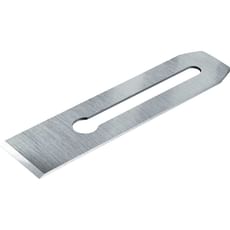
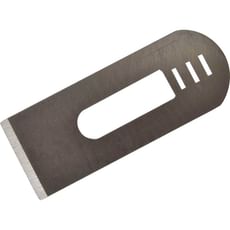
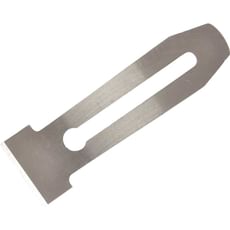
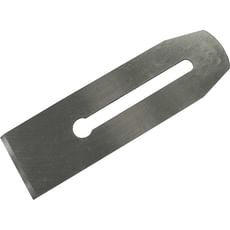
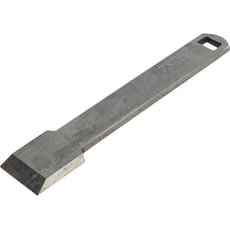
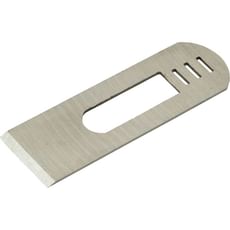
Spare irons, also known as plane blades or plane irons, are essential replacement components for hand planes and bench planes used in woodworking. These precision-ground cutting edges are what actually remove material from timber, and maintaining sharp, undamaged irons is crucial for achieving smooth, accurate results. Whether you're a professional joiner working on site or a DIY enthusiast restoring furniture at home, having spare irons on hand ensures your hand planes are always ready to deliver clean, precise cuts without interruption.
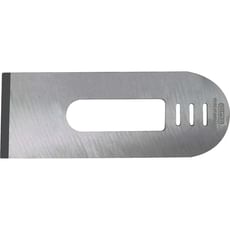
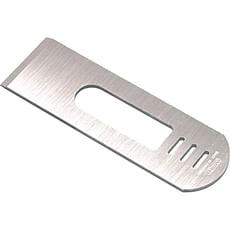
Tooled-Up.com stocks replacement irons for a comprehensive range of hand plane models, including bench planes (No. 3, No. 4, No. 5, No. 6, and No. 7), block planes (No. 60½ and 9½), shoulder planes, and rebate planes. The selection includes traditional high-carbon steel blades for standard woodworking applications, as well as premium tungsten carbide tipped options that offer exceptional edge retention when working with abrasive materials like MDF, chipboard, and other man-made boards. Available from trusted brands including Faithfull, Stanley, and Record, these replacement irons are manufactured to exacting standards to ensure they fit precisely and perform reliably.
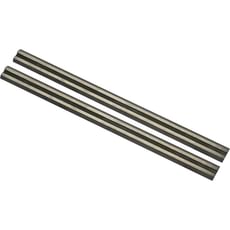
Most spare irons are designed as direct replacements for specific plane models, though some universal options fit multiple plane types. Tungsten carbide blades are particularly popular for electric planer applications, with 82mm reversible blades offering extended working life by allowing users to flip the blade when one edge dulls. Quality replacement irons represent a cost-effective investment compared to replacing entire planes, and maintaining a selection of sharp spare blades allows professional tradespeople to swap out dulled irons quickly and continue working without downtime for sharpening.
Jargon Buster
- Plane Iron: The cutting blade component of a hand plane or bench plane that removes material from timber. Also referred to as a plane blade or cutter.
- Tungsten Carbide: An extremely hard metal compound used for cutting edges that maintains sharpness significantly longer than standard steel, particularly when working with abrasive materials.
- Reversible Blade: A double-edged cutting iron that can be flipped over when one edge becomes dull, effectively doubling the working life before sharpening or replacement is required.
- Bevel: The angled cutting edge ground onto the iron, typically between 25° and 30°, which determines how the blade cuts into the timber.
- Bench Plane: A category of hand planes numbered sequentially (No. 3, 4, 5, 6, 7) with each number indicating the length and intended use, from smoothing to jointing.
- Rebate Plane: A specialised plane designed for cutting rebates (rectangular recesses) along the edge of timber, requiring specific blade widths and configurations.
Who Uses Spare Irons?
- Joiners and Carpenters: Professional woodworkers who rely on hand planes for fitting doors, windows, and creating precise timber joints on-site and in workshops
- Furniture Makers: Craftspeople producing bespoke furniture who require sharp plane irons for creating smooth, finished surfaces and precise dimensioning
- Restoration Specialists: Professionals working on period properties and antique furniture who use traditional hand tools to maintain authenticity
- Shopfitters: Tradespeople installing commercial joinery who need reliable hand planes for final fitting and adjustments
- DIY Enthusiasts: Home woodworkers and hobbyists maintaining their hand tool collections for projects ranging from home improvement to fine woodworking
- Educational Institutions: Colleges and training centres teaching traditional woodworking skills requiring regular replacement of worn student plane irons
- Boat Builders: Marine craftspeople working with timber who depend on sharp hand planes for shaping spars, planking, and interior joinery
How to Choose the Right Spare Irons
Selecting the correct replacement iron begins with identifying your plane model number, typically stamped on the plane body or cap iron. Bench planes follow Stanley's numbering system (No. 3 through No. 7), whilst specialised planes like block planes (60½, 9½) and rebate planes have their own designations. Measure your existing iron's width, length, and thickness if the model number isn't visible, as these dimensions must match precisely for proper fit and function.
Material choice significantly impacts performance and longevity. Standard high-carbon steel irons are ideal for softwoods and traditional hardwoods, offering excellent edge-taking ability and ease of sharpening with conventional stones or honing guides. For professional tradespeople working regularly with MDF, plywood, or other man-made boards, tungsten carbide tipped irons available at Tooled-Up provide superior edge retention, though they require diamond stones for resharpening. Consider your typical workload—if you're primarily working with natural timber, standard steel offers better value, whilst those frequently encountering abrasive materials benefit from carbide's durability.
Blade thickness affects performance characteristics, with thicker irons (typically 3mm+) reducing chatter and improving surface finish on difficult grain. Check whether your plane's cap iron and adjustment mechanism accommodate thicker aftermarket blades before purchasing. For electric planers, ensure replacement blades match the required length (commonly 82mm) and that your planer model accepts reversible tungsten carbide types, as some require manufacturer-specific blade systems. When working professionally, maintaining multiple spare irons allows continuous work whilst dulled blades are being sharpened.
Popular Accessories
- Honing Guides: Essential jigs that hold plane irons at consistent angles during sharpening for precise, repeatable bevels
- Sharpening Stones: Waterstones, oilstones, and diamond stones in various grits for maintaining razor-sharp cutting edges
- Cap Irons: The component that clamps over the plane iron, which may require replacement alongside worn blades
- Blade Storage Cases: Protective holders preventing damage to sharp edges and keeping spare irons organised in toolboxes
- Lapping Plates: Flat reference surfaces for ensuring plane iron backs are perfectly flat, crucial for achieving sharp edges
- Honing Oil or Water: Lubricants for sharpening stones that carry away swarf and prevent clogging during honing
- Torx Screwdriver Sets: Required for changing blades on modern electric planers with secure blade retention systems
Frequently Asked Questions
How often should plane irons be replaced rather than sharpened?
Plane irons can typically be sharpened dozens of times before replacement becomes necessary. Replace an iron when repeated sharpening has reduced its width significantly, when chips or cracks appear in the cutting edge that can't be ground out, or when the iron becomes too short to be held securely by the cap iron. For professional use, replacement is generally more cost-effective than extensive regrinding of severely damaged blades.
Can I use tungsten carbide blades in any hand plane?
Tungsten carbide blades are primarily designed for electric planers with 82mm cutting blocks and appropriate clamping systems. Traditional hand planes typically use high-carbon steel irons, as carbide's extreme hardness makes it unsuitable for the adjustment mechanisms and chip breakers found in bench planes. Always verify compatibility with your specific plane model before purchasing carbide replacement irons.
Are replacement irons from different manufacturers interchangeable?
Many replacement irons follow standardised dimensions based on Stanley's original sizing, meaning Faithfull or Record irons often fit Stanley planes and vice versa. However, thickness variations and tang designs can differ between manufacturers, potentially affecting fit with cap irons and adjustment mechanisms. Check dimensions carefully, and when possible, match replacement irons to your plane's original manufacturer for guaranteed compatibility.
Do reversible planer blades need to be changed in pairs?
Yes, electric planer blades should always be changed in pairs (or complete sets for three-blade systems) even if only one blade is damaged. Using blades with different edge conditions creates imbalanced cutting forces, leading to poor surface finish, excessive vibration, and potential damage to the planer's bearings and cutting block. Replace all blades simultaneously to maintain optimal performance and tool longevity.
What's the difference between bench plane numbers?
Stanley's numbering system indicates plane length and intended use: No. 3 (smoothing, 225mm), No. 4 (general purpose smoothing, 250mm), No. 5 (jack plane for initial dimensioning, 355mm), No. 6 (fore plane for jointing, 457mm), and No. 7 (jointer plane for long edges, 560mm). Each requires specifically sized replacement irons—a No. 4 iron won't fit a No. 7, despite both being bench planes. Always match replacement irons to your plane's specific number designation.