

Spare Parts

Pay in 3 interest-free payments on purchases from £20-£3000 with  . Learn more.
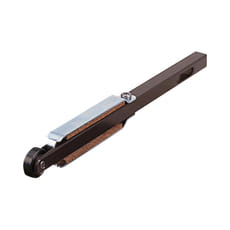
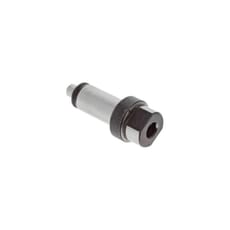
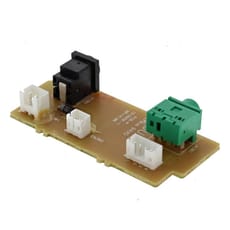
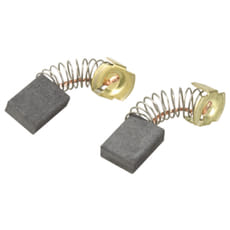
 Loading...
End of content
Error - No more pages to load
About Spare Parts
When professional power tools and equipment are essential to your livelihood, having access to genuine spare parts can make the difference between a quick repair and costly downtime. The spare parts category at Tooled-Up.com brings together replacement components, assemblies, and parts for a comprehensive range of professional tools and equipment. From simple consumable items like starter ropes and depth stoppers to more complex components such as motor housings, base plates, and guard assemblies, genuine spare parts ensure your tools continue to perform at their best whilst maintaining manufacturer warranties and safety standards.
Genuine spare parts are designed to exact specifications by the original equipment manufacturer, ensuring perfect compatibility and performance. Whether you need a replacement auxiliary handle for your orbital sander, a new blade guard for your bandsaw, or a battery cover assembly for your cordless mixer, using manufacturer-approved components maintains the integrity of your equipment. Tooled-Up stocks genuine spare parts from leading professional brands including Makita, Bosch Professional, DeWalt, Festool, and Draper, giving tradespeople confidence that their repairs will stand up to demanding site conditions.
Beyond simple replacement due to wear and tear, spare parts allow you to upgrade, customise, or restore older equipment to working condition. Many professional-grade power tools have excellent longevity when properly maintained, and investing in genuine spare parts proves far more economical than replacing entire units. From grinder guards and jigsaw base plates to dust extractor hoods and circular saw hook assemblies, having access to the right components keeps your toolkit operational and productive.
Jargon Buster
- OEM Parts (Original Equipment Manufacturer) - Genuine components made by the original tool manufacturer to exact specifications, ensuring perfect fit and performance whilst maintaining warranty coverage.
- Assembly - A pre-assembled spare part consisting of multiple components fitted together, such as a battery cover assembly or nozzle assembly, which simplifies installation compared to individual parts.
- Auxiliary Handle - A secondary grip or handle that attaches to power tools to provide additional control, stability, and user comfort during operation, particularly important for larger tools like angle grinders and sanders.
- Base Plate - The flat mounting surface on tools like jigsaws and routers that contacts the workpiece, often made from metal or composite materials and designed to be replaceable when worn.
- Guard Assembly - Safety components that shield the operator from moving parts, sparks, or debris, such as grinder guards or bandsaw blade guards, which must meet HSE requirements.
- Starter Grip/Rope - The pull-cord mechanism on petrol-powered tools like disc cutters and chainsaws that engages the engine starter, subject to wear and requiring periodic replacement.
Who Uses Spare Parts?
- Construction professionals - Site workers, builders, and contractors who rely on power tools daily and need quick access to replacement components to minimise downtime
- Workshop technicians - Tool service specialists and repair technicians who maintain and refurbish professional equipment for hire companies or trade customers
- Maintenance engineers - Industrial and facilities maintenance teams responsible for keeping site equipment operational in manufacturing, utilities, and commercial settings
- Joiners and carpenters - Woodworking professionals who maintain specialist tools like routers, jigsaws, and circular saws requiring replacement base plates, guards, and depth stops
- Metalworkers and fabricators - Professionals using angle grinders, disc cutters, and bandsaws who regularly replace guards, covers, and safety components
- Groundcare professionals - Landscapers and arborists maintaining petrol-powered equipment like chainsaws and blowers requiring starter assemblies and housing components
- DIY enthusiasts - Serious home workshop users who invest in quality tools and prefer to repair rather than replace equipment
- Tool hire companies - Businesses maintaining rental equipment fleets requiring regular replacement of worn or damaged components
How to Choose the Right Spare Parts
Identify Your Exact Model Number: Before ordering any spare part, locate your tool's complete model number, typically found on the rating plate or housing. Many manufacturers produce multiple variants of similar tools, and using an incorrect part can compromise safety and performance. Note both the model number and any suffix letters or numbers that indicate specific production runs.
Choose Genuine OEM Parts: Whilst aftermarket alternatives may appear cheaper, genuine manufacturer parts ensure exact tolerances, correct materials, and continued warranty coverage. This proves particularly important for safety-critical components like guards, base plates, and motor housings where inferior materials could lead to failure.
Check Compatibility Across Models: Some spare parts fit multiple tool models within a manufacturer's range. For example, certain Makita grinder guards fit several 115mm models, whilst Bosch auxiliary handles work across their orbital sander range. Reviewing compatibility information helps you maintain multiple tools with minimal parts inventory.
Consider Assembly Versus Individual Components: Assembly parts come pre-fitted with multiple components, simplifying installation but sometimes costing more than individual parts. Evaluate whether you have the technical skill and tools to fit individual components or whether an assembly offers better value through reduced labour time.
Assess Wear Patterns: When replacing worn parts, inspect related components for damage. A worn base plate might indicate bearing issues, whilst frequent guard replacement could suggest improper use. Addressing root causes prevents repeat failures and extends tool life.
Stock Critical Spares: For tools essential to your work, consider keeping critical spare parts in stock. Items like starter ropes, depth stoppers, and hook assemblies are relatively inexpensive insurance against unexpected downtime on site.
Popular Accessories
- Tool Service Kits - Complete maintenance packages containing multiple replacement parts, lubricants, and carbon brushes for comprehensive servicing
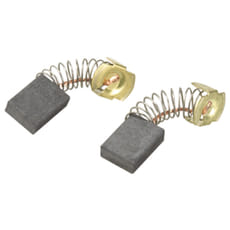
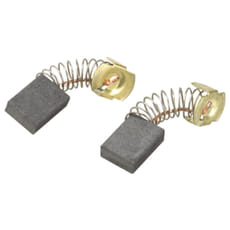
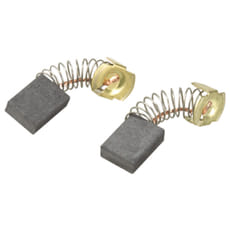
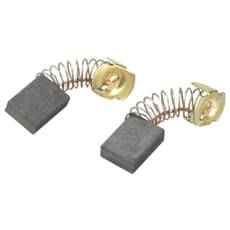
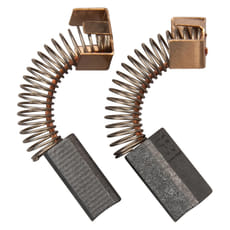
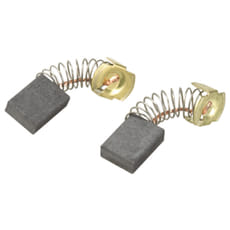
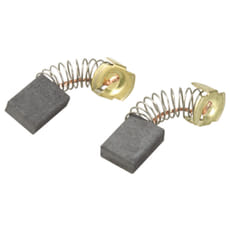
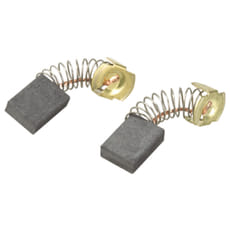
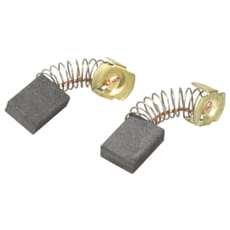
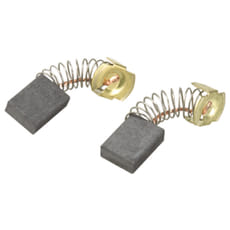
- Spare Carbon Brushes - Consumable electrical components that wear during normal use and require periodic replacement to maintain motor performance
- Replacement Keys and Chucks - Additional chuck keys, keyless chuck assemblies, and locking mechanisms for drill and driver maintenance
- Filter Elements - Replacement air filters for pneumatic tools and dust extractors to maintain performance and protect internal components
- Drive Belts - Replacement transmission belts for stationary machinery like bandsaws, mitre saws, and bench grinders
- Fastening Hardware - Manufacturer-specific screws, bolts, and fixings for securing guards, handles, and housings properly
- Gaskets and Seals - Replacement sealing components for maintaining dust and moisture protection in professional-grade tools
- Tool Lubricants - Manufacturer-recommended greases and oils for maintaining gears, bearings, and moving parts
Safety Information
Always Use Genuine Safety Components: Never compromise on parts that directly affect operator safety, including guards, handles, and base plates. Aftermarket or improvised safety components may not meet HSE requirements or provide adequate protection, potentially voiding insurance coverage in the event of an accident.
Disconnect Power Before Repairs: Always unplug 240v tools or remove battery packs before attempting any spare part installation. Even simple replacements can expose you to electrical hazards or unexpected start-up if power remains connected.
Follow Manufacturer Installation Instructions: Genuine spare parts typically include fitting instructions or reference manufacturer service manuals. Improper installation can create safety hazards, affect tool performance, or cause premature failure of new components.
Inspect Related Components: When replacing worn parts, examine surrounding areas for damage, wear, or loose fixings. A failing component often indicates stress on related parts, and addressing these issues during repair prevents future failures.
Test Tools After Repair: Following spare part installation, conduct a careful test run before returning to normal work. Check for unusual vibration, noise, or performance issues that might indicate incorrect fitting or additional problems requiring attention.
Maintain Electrical Safety Standards: When replacing electrical components or motor housings, ensure all connections are secure and properly insulated. Tools showing signs of electrical damage should be professionally assessed before attempting repairs with spare parts.
Frequently Asked Questions
Will using genuine spare parts maintain my tool's warranty?
Yes, using manufacturer-approved genuine spare parts typically maintains warranty coverage, whereas aftermarket components may void warranties. Always check your tool's warranty terms, but manufacturers generally support repairs using their own OEM parts, particularly for items subject to normal wear like guards, handles, and starter assemblies.
How do I find the correct part number for my tool?
Start by locating your tool's complete model number on the rating plate or housing. Then consult the manufacturer's exploded parts diagrams, typically available through their website or from specialist retailers. These technical drawings show every component with corresponding part numbers, allowing precise identification of required spares.
Are spare parts available for older or discontinued tools?
Professional tool manufacturers typically maintain spare parts availability for 7-10 years after discontinuing a model, though popular professional ranges often have longer support periods. Makita, Bosch Professional, and Festool maintain particularly comprehensive spare parts catalogues for legacy equipment, making repair more viable than replacement for quality older tools.
Can I fit spare parts myself or do I need professional service?
Many spare parts like guards, handles, depth stops, and covers are designed for user installation with basic hand tools. However, components involving electrical systems, motor housings, or complex assemblies may require specialist knowledge and tools. When in doubt, consult a manufacturer-authorised service centre, particularly for repairs affecting safety-critical systems or tools still under warranty.
Why are genuine spare parts more expensive than aftermarket alternatives?
Genuine OEM parts are manufactured to exact specifications using materials tested to withstand professional use, ensuring compatibility, longevity, and safety. They maintain your tool's original performance characteristics and warranty coverage. Whilst aftermarket parts may initially cost less, they often use inferior materials, offer poor fit, and can compromise tool performance or safety, potentially costing more through premature failure or additional repairs.