

Spark Plug Tools
Pay in 3 interest-free payments on purchases from £30-2000 with  . Learn more.
 Loading...
End of content
Error - No more pages to load
About Spark Plug Tools
Spark plug tools are specialised equipment designed to help mechanics, automotive technicians, and DIY enthusiasts safely and efficiently remove, install, clean, and maintain spark plugs in petrol engines. From standard socket sets to long-reach extractors and thread repair kits, these tools are essential for anyone performing engine maintenance, tune-ups, or ignition system repairs. Whether you're working on cars, motorcycles, lawn equipment, or generators, having the right spark plug tools ensures you can access even the most awkwardly positioned plugs without damaging delicate components or threads.
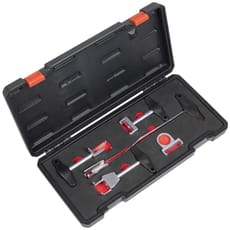
The selection available from Tooled-Up.com includes everything from basic spark plug sockets and spanners to more specialised equipment like flexible wrenches, magnetic holders, thread chasers, and vehicle-specific pullers for VAG Group engines. Leading manufacturers such as Sealey, Draper, and Facom produce these tools to exacting standards, ensuring they can withstand the demands of professional workshop environments whilst remaining accessible to home mechanics. Many spark plug tools feature protective rubber or magnetic inserts to grip porcelain insulators securely, preventing damage during removal and installation.
Modern engines often position spark plugs deep within cylinder heads, requiring extended reach sockets and swivel joints to navigate around engine bay obstacles. This range caters to these challenges with tools specifically engineered for awkward access situations, alongside traditional equipment for more straightforward applications. From cleaning brushes to complete socket and T-handle sets, having dedicated spark plug tools in your toolbox makes routine maintenance considerably more efficient and reduces the risk of costly engine damage.
Jargon Buster
- Spark Plug Socket: A deep-well socket with a rubber or magnetic insert designed to grip and protect the porcelain insulator of a spark plug during removal and installation. Available in common sizes including 16mm, 18mm, and 21mm to suit different engine types.
- Thread Chaser: A tool used to clean and restore damaged threads in spark plug wells without removing material like a tap would. Essential for repairing cross-threaded or corroded spark plug holes before installing new plugs.
- Long Reach Socket: An extended-length spark plug socket designed to access plugs positioned deep within recessed cylinder heads, common in modern V6 and V8 engines where clearance is limited.
- Magnetic Insert: A magnetised component inside a spark plug socket that holds the plug securely during installation, particularly useful when working in vertical or inverted positions where gravity won't help.
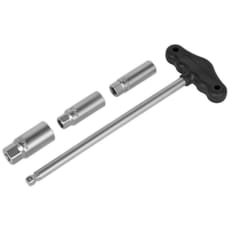
- T-Handle: A T-shaped driver that provides excellent leverage and feel when removing or tightening spark plugs, allowing better control than a standard ratchet for final seating.
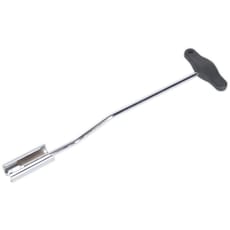
- Plug Boot Puller: A specialised tool designed to safely remove spark plug leads or coil-on-plug connectors without damaging the boot or wire, particularly important on VAG Group and other modern vehicles with delicate ignition components.
Who Uses Spark Plug Tools?
- Motor mechanics and automotive technicians performing routine servicing and diagnostics
- Mobile mechanics requiring portable tool sets for roadside and customer location work
- MOT testing stations conducting pre-test maintenance and repairs
- Fleet maintenance engineers servicing company vehicles and light commercial fleets
- Motorcycle mechanics working on two-wheeled petrol engines
- Small engine repair specialists maintaining lawn mowers, generators, and garden equipment
- Classic car restorers working on vintage and veteran vehicles
- DIY enthusiasts and home mechanics performing their own vehicle maintenance
- Agricultural engineers servicing farm machinery and equipment
- Marine engineers maintaining petrol-powered boat engines and watercraft
How to Choose the Right Spark Plug Tools
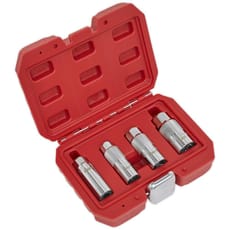
When selecting spark plug tools, first consider the socket sizes you'll need based on the vehicles or equipment you work on. Standard sizes include 16mm for many modern cars, 18mm for older vehicles, and 21mm for certain motorcycles and larger engines. If you service multiple vehicle types, a multi-piece socket set offers better value and versatility than purchasing individual sizes.
Socket depth and reach are critical factors, particularly for modern engines with recessed spark plug wells. Long-reach sockets (typically 300mm or longer) are essential for accessing plugs buried deep in V-configuration engines, whilst standard depth sockets suffice for more accessible applications. Consider whether you need flexible or swivel joints to navigate around engine bay obstacles.
The drive size matters for compatibility with your existing tool collection. Most spark plug sockets feature 3/8" square drives, which provide adequate torque whilst being compact enough for restricted spaces. Ensure your ratchets, extension bars, and torque wrenches match this standard, or invest in a complete set with integrated T-handles for immediate use.
Insert type affects how securely the tool grips the spark plug. Rubber inserts provide excellent grip and protection for porcelain insulators but can deteriorate over time. Magnetic inserts offer longevity and strong retention, though care must be taken not to attract metal particles in dirty working environments. Professional-grade tools often feature replaceable inserts for extended service life.
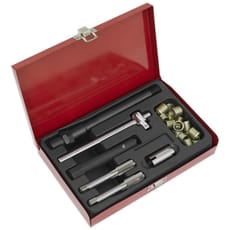
If you regularly encounter damaged threads or seized plugs, consider investing in specialist tools like thread chasers, thread repair kits with helicoil inserts, and reverse-action thread restoration tools. These prevent the need for expensive cylinder head repairs when faced with problematic plug removal. Vehicle-specific tools, such as VAG Group plug pullers or lead removal tools, are worthwhile investments if you frequently service particular manufacturers.
Popular Accessories
- Torque wrenches (3/8" drive) for accurate spark plug tightening to manufacturer specifications
- Extension bars in various lengths for improved access and reach
- Swivel joints and universal adapters for navigating around obstructions
- Spark plug gap gauges for checking and adjusting electrode spacing
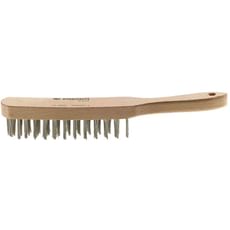
- Wire brushes and cleaning tools for removing carbon deposits and debris
- Anti-seize compound to prevent plugs from seizing in aluminium cylinder heads
- Dielectric grease for protecting ignition lead connections from moisture
- Blow guns and compressed air for cleaning debris from plug wells before removal
- Magnetic pick-up tools for retrieving dropped plugs or small components
- Socket organisers and tool rolls for keeping spark plug tools organised and portable
Safety Information
Always allow the engine to cool completely before attempting spark plug removal or installation, as cylinder heads can remain dangerously hot for extended periods after running. Working on hot engines risks serious burns and can cause spark plugs to seize due to thermal expansion. Consult the vehicle's service manual for specific cooling time recommendations.
Ensure the ignition system is completely isolated before working on spark plugs. Remove the ignition key, disconnect the battery negative terminal, and on modern vehicles with keyless systems, ensure the key fob is well away from the vehicle. Accidental engine cranking whilst hands are near the engine bay can cause severe injury.
Clean the area around each spark plug thoroughly before removal to prevent debris, dirt, or small particles falling into the combustion chamber. Even small contaminants can cause significant engine damage if they enter the cylinder. Use compressed air and brushes to clear plug wells completely before unscrewing plugs.
When installing spark plugs, always follow the manufacturer's torque specifications. Over-tightening can strip threads in aluminium cylinder heads, requiring costly repairs, whilst under-tightening risks plugs working loose, causing compression loss or even ejection from the cylinder head. Use a calibrated torque wrench rather than guessing based on feel.
Frequently Asked Questions
What size spark plug socket do I need for my vehicle?
The most common sizes in the UK are 16mm (for most modern petrol cars), 18mm (for older vehicles and some Japanese models), and 21mm (for certain motorcycles and American vehicles). Check your vehicle's handbook or measure your existing spark plugs before purchasing. Many professional sets at Tooled-Up include all three sizes plus long-reach variants for versatility across different applications.
Why do spark plug sockets have rubber or magnetic inserts?
These inserts serve two critical purposes: they grip the spark plug securely during removal and installation, preventing it from dropping and potentially breaking, and they protect the fragile porcelain insulator from damage caused by metal-to-ceramic contact. The insert also helps align the plug correctly during installation, reducing the risk of cross-threading. Magnetic versions are particularly useful when working in vertical or upside-down positions.
Can I use a standard deep socket instead of a spark plug socket?
Whilst physically possible in some cases, it's not recommended. Standard sockets lack the protective insert that prevents damage to the porcelain insulator and provides secure grip. Using inappropriate tools risks cracking the insulator, dropping the plug into the engine bay, or struggling to align the plug correctly during installation. Dedicated spark plug sockets are relatively inexpensive and significantly reduce the risk of costly mistakes.
How do I remove a seized or cross-threaded spark plug safely?
First, apply penetrating oil around the plug threads and allow it to soak for several hours or overnight. Work the plug back and forth gently—a quarter turn out, then back in slightly—to gradually break the corrosion bond. If the plug remains stuck, a reverse-action thread chaser can help restore the threads whilst backing out the plug. Never force a seized plug, as snapping it off necessitates expensive extraction work or even cylinder head removal.
What's the difference between a T-handle and a ratchet for spark plug work?
T-handles provide superior feel and control during the final tightening stage, allowing you to sense when the plug seats correctly without over-tightening. They're ideal for final installation after hand-starting the plug. Ratchets offer speed and convenience for initial removal and installation but provide less tactile feedback. Many professionals use a ratchet for removal and initial installation, then switch to a T-handle or torque wrench for final tightening to specification.