

Spark Plugs
Pay in 3 interest-free payments on purchases from £30-2000 with  . Learn more.

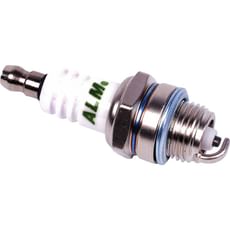
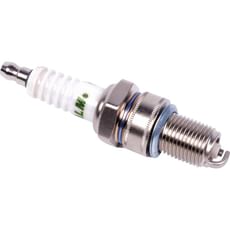
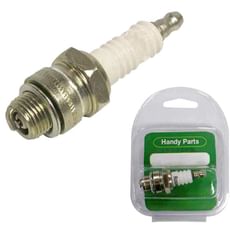
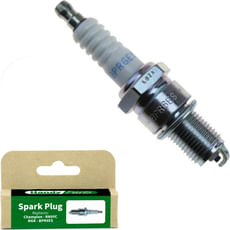
 Loading...
End of content
Error - No more pages to load
About Spark Plugs
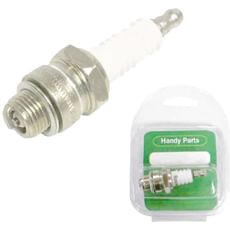
Spark plugs are essential ignition components for petrol-powered garden machinery and small engines, creating the electrical spark needed to ignite the fuel-air mixture in the combustion chamber. Whether you're maintaining a lawnmower, chainsaw, brush cutter, hedge trimmer, or garden vacuum, regular spark plug replacement is crucial for optimal engine performance, fuel efficiency, and reliable starting. A worn or fouled spark plug can cause hard starting, rough idling, reduced power output, and increased fuel consumption.
The spark plug category at Tooled-Up.com includes a comprehensive selection of replacement plugs compatible with leading garden machinery brands including Honda, MacAllister, Webb, and many others. These components feature various heat ranges, thread sizes, and electrode configurations to match specific engine requirements. Most spark plugs for garden equipment use a standard 14mm thread size, though it's essential to verify compatibility with your particular model before purchasing.
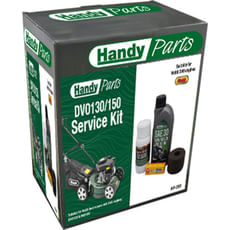
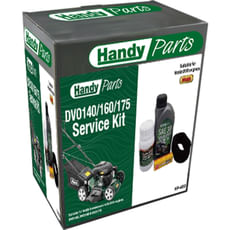
Alongside individual spark plugs, Tooled-Up stocks convenient service kits designed for specific engine models, which typically include a spark plug along with air filters and other essential maintenance components. Regular spark plug replacement—generally recommended every 25-100 hours of operation depending on the manufacturer—is one of the most cost-effective ways to maintain peak engine performance and extend the service life of your petrol-powered equipment.
Jargon Buster
- Heat Range: The spark plug's ability to dissipate heat from the combustion chamber. A "hot" plug retains more heat and is suited to lower-performance engines, whilst a "cold" plug dissipates heat quickly for high-performance applications.
- Electrode Gap: The precise distance between the centre and ground electrodes where the spark occurs. This gap must be set correctly (typically 0.6-0.8mm for small engines) to ensure proper ignition and is measured using a feeler gauge.
- Thread Reach: The length of the threaded portion that screws into the cylinder head, usually measured in millimetres. Common sizes for garden machinery include 12mm and 19mm reach.
- Resistor Plug: A spark plug containing an internal resistor (indicated by an "R" in the part number) that suppresses electromagnetic interference, preventing radio and electronic equipment disruption.
- Fouling: The accumulation of carbon deposits, oil, or fuel residue on the spark plug electrodes, which prevents proper sparking and leads to poor engine performance or failure to start.
- Cross-Reference: The system of matching equivalent spark plugs across different manufacturers (such as Champion, NGK, Bosch, and Denso), allowing users to find suitable alternatives when the original equipment part is unavailable.
Who Uses Spark Plugs?
- Landscape gardeners and groundskeepers maintaining multiple pieces of petrol-powered equipment
- Professional tree surgeons servicing chainsaws and other forestry equipment
- Grounds maintenance contractors managing parks, sports fields, and commercial properties
- Smallholding owners and farmers maintaining garden machinery and small agricultural equipment
- Garden machinery repair technicians servicing and maintaining customer equipment
- DIY enthusiasts and homeowners performing routine maintenance on lawnmowers and garden tools
- Hire centres and tool rental businesses keeping their petrol equipment fleet in good working order
- Estate managers and property maintenance teams responsible for grounds care equipment
How to Choose the Right Spark Plugs
Selecting the correct spark plug requires careful attention to your equipment manufacturer's specifications. Always consult your owner's manual or the existing spark plug for the correct part number, as using an incorrect plug can damage the engine or prevent proper operation. The most critical factors include thread size (typically 14mm for small engines), thread reach, heat range, and electrode configuration.
Cross-reference charts are invaluable when seeking alternatives to original equipment plugs. Many spark plugs listed at Tooled-Up include comprehensive cross-reference information covering major brands like AC Delco, Autolite, Bosch, Champion, Denso, and NGK. This allows you to find suitable replacements even when the exact original part isn't available. Look for plugs that match multiple reference numbers from your equipment manual for confident compatibility.
Consider purchasing spark plugs as part of a complete service kit when available, as these bundles typically include air filters and other maintenance components specific to your engine model. This ensures you have all necessary parts for a complete service and often provides better value than purchasing components individually. Service kits are particularly convenient for Webb DVO engine series and other popular garden machinery platforms.
Pay attention to whether your equipment requires a resistor-type spark plug, indicated by an "R" in the model designation (such as RCJ7Y or RN9YC). Resistor plugs are essential for equipment with electronic ignition systems or where electromagnetic interference could affect performance. Using a non-resistor plug when a resistor type is specified can cause running problems and potential damage to electronic components.
Popular Accessories
- Spark plug sockets with rubber inserts to protect the ceramic insulator during removal and installation
- Feeler gauges for accurately measuring and setting electrode gaps
- Wire brushes for cleaning spark plug threads and cylinder head spark plug wells
- Air filters which should be serviced at the same time as spark plug replacement
- Engine oil for complete servicing of four-stroke garden machinery engines
- Fuel stabiliser to prevent fuel system problems that can cause spark plug fouling
- Service kits containing spark plugs, filters, and other maintenance components for specific engine models
- Ignition testers for diagnosing spark-related starting and running problems
- Anti-seize compound to prevent spark plugs from seizing in aluminium cylinder heads
Frequently Asked Questions
How often should I replace spark plugs in garden machinery?
Most manufacturers recommend replacing spark plugs every 25-100 hours of operation or annually, whichever comes first. However, if you experience hard starting, rough running, or reduced power, check the spark plug condition regardless of service intervals. Two-stroke engines typically require more frequent replacement than four-stroke models due to oil in the fuel mixture.
Can I clean and reuse a fouled spark plug?
Whilst lightly fouled spark plugs can sometimes be cleaned with a wire brush and solvent, replacement is generally recommended for optimal performance. Cleaning may provide a temporary solution, but heavily carbonised or oil-fouled plugs indicate underlying engine issues that should be addressed. Given the low cost of replacement plugs, fitting a new one ensures reliable ignition and eliminates uncertainty.
What does the spark plug condition tell me about my engine?
A spark plug's appearance provides valuable diagnostic information. A light tan or grey deposit indicates proper combustion, whilst black sooty deposits suggest a rich fuel mixture or incomplete combustion. Wet, oily plugs indicate oil entering the combustion chamber, whilst white or blistered electrodes suggest the engine is running too hot or lean. Always investigate abnormal plug conditions to prevent potential engine damage.
Do I need to set the electrode gap on new spark plugs?
Always verify the electrode gap before installation, even on new plugs. Whilst many come pre-gapped, shipping and handling can alter this critical dimension. Consult your equipment manual for the correct gap specification (typically 0.6-0.8mm for small engines) and use a feeler gauge to check and adjust as needed. An incorrect gap can cause poor starting, misfiring, and reduced engine performance.
Why are there so many different spark plug part numbers?
Different spark plug specifications suit various engine designs, operating conditions, and performance requirements. Factors including heat range, electrode material, thread size, reach, and resistor inclusion all necessitate different part numbers. Manufacturers also use proprietary numbering systems, which is why cross-reference charts are essential for finding compatible alternatives across brands like Champion, NGK, Bosch, and others stocked by Tooled-Up.