

Specialist Aerosol Paints
Pay in 3 interest-free payments on purchases from £30-2000 with  . Learn more.
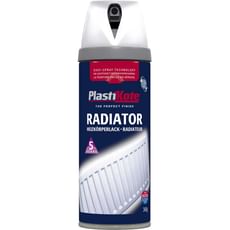
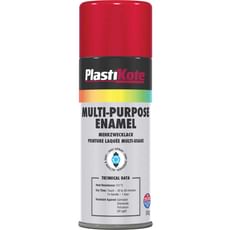
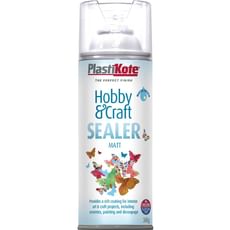
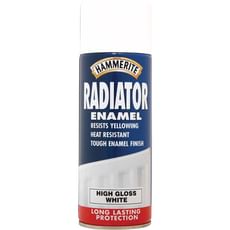
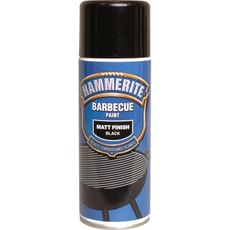
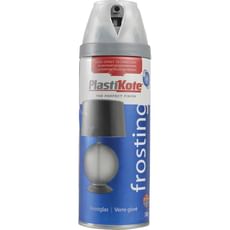
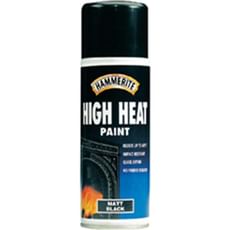
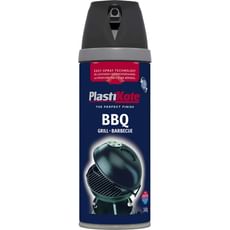
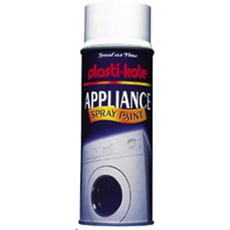
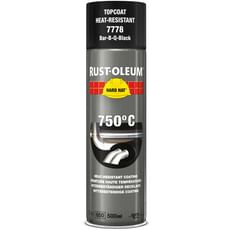
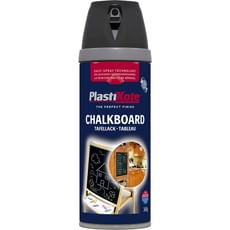
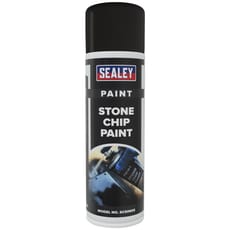
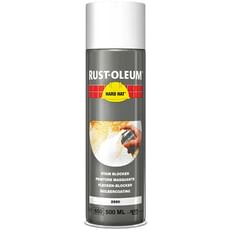
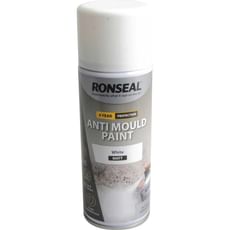
 Loading...
End of content
Error - No more pages to load
About Specialist Aerosol Paints
Specialist aerosol paints are formulated for specific applications where standard decorative paints simply won't perform. Unlike general-purpose spray paints, these products are engineered to withstand extreme temperatures, resist corrosion in demanding environments, or bond to challenging surfaces like glass, plastic, and high-temperature metals. From radiator paints that won't yellow or crack under heat cycling, to high-heat formulations that can withstand temperatures up to 600°C on barbecues and wood stoves, specialist aerosol paints solve problems that conventional coatings cannot.
The range available from Tooled-Up.com includes heat-resistant paints for BBQs and radiators, appliance enamels for refreshing white goods, decorative finishes like chalkboard and glass frosting sprays, and protective coatings such as anti-mould formulations. Brands including Hammerite, Plastikote, Rust-Oleum, and Ronseal have developed these aerosols to deliver professional results without the need for brushes, rollers, or complex mixing. Many require no primer and offer exceptional durability, making them ideal for both trade applications and demanding DIY projects.
These aerosols typically feature quick-drying formulations that cure to hard-wearing finishes resistant to chipping, flaking, and environmental degradation. Whether you're restoring garden furniture, renovating heating equipment, or creating decorative effects, specialist aerosols provide targeted solutions with the convenience of spray application and minimal equipment requirements.
Jargon Buster
- High Heat Paint: Formulations specifically designed to withstand extreme temperatures, typically ranging from 400°C to 600°C, without discolouration, blistering, or loss of adhesion. Essential for barbecues, wood stoves, exhaust systems, and engine components.
- Thermoplastic Coating: A paint that becomes soft when heated and hardens when cooled, offering excellent flexibility and impact resistance. Common in appliance paints where thermal expansion and contraction occur regularly.
- Anti-Mould Formulation: Contains biocides and fungicides that prevent mould and mildew growth for extended periods, typically 6 years or more. Ideal for damp-prone areas like bathrooms, kitchens, and exterior surfaces.
- Matt Finish: A non-reflective, flat surface appearance that hides imperfections well and is particularly suitable for heat applications where gloss finishes may discolour or become patchy over time.
- Direct-to-Metal (DTM): Paints formulated to bond directly to metal surfaces without requiring a separate primer, saving time and ensuring better adhesion through specialised resins and additives.
- VOC Content: Volatile Organic Compounds are solvents that evaporate during application and drying. Lower VOC aerosols are better for indoor use and comply with environmental regulations while reducing odour.
Who Uses Specialist Aerosol Paints?
- Heating Engineers: For refinishing radiators, boilers, and heating system components with heat-resistant coatings
- Appliance Repair Technicians: Restoring the appearance of white goods, cookers, and kitchen equipment
- Property Maintenance Professionals: Applying anti-mould treatments in damp areas and refurbishing fixtures
- Garden and Landscape Contractors: Refreshing outdoor furniture, barbecues, and decorative metalwork
- Automotive Restorers: High-heat applications on exhaust systems and engine components
- Sign Makers and Shopfitters: Creating decorative finishes like chalkboard and frosted glass effects
- DIY Enthusiasts: Home improvement projects requiring specialist finishes or heat-resistant properties
- Craft Makers and Hobbyists: Achieving professional results on creative projects with decorative specialty sprays
- Catering Equipment Specialists: Maintaining and refurbishing commercial cooking equipment and extraction systems
How to Choose the Right Specialist Aerosol Paints
Temperature Resistance: Match the paint's heat tolerance to your application. Radiator paints typically handle up to 100°C, while BBQ and wood stove paints must withstand 400-600°C. Using insufficient heat resistance will result in discolouration, blistering, and premature failure.
Surface Compatibility: Ensure the aerosol is formulated for your substrate. Metal, plastic, glass, and wood each require different bonding agents. Appliance paints contain thermoplastic resins for flexibility, while glass frosting sprays use specialist etching compounds. Check compatibility information before purchase to avoid adhesion problems.
Finish Requirements: Consider whether you need gloss, satin, or matt finishes. High-heat applications typically require matt finishes as glossy paints may discolour under extreme temperatures. Radiator paints often come in satin white to complement home décor, whilst BBQ paints favour durable matt black.
Coverage and Quantity: Calculate the surface area you need to cover. Tooled-Up stocks aerosols typically providing 1-2 square metres per can depending on the product and application technique. Complex shapes and textured surfaces will require more paint than smooth, flat areas.
Drying Time: Quick-drying formulations allow faster project completion and reduce dust contamination during curing. Most specialist aerosols are touch-dry within 30 minutes, but full cure times vary from 24 hours to several days. Plan accordingly, especially for items returning to service.
Primer Requirements: Many modern specialist aerosols are direct-to-surface formulations requiring no primer, saving time and expense. However, heavily corroded or previously painted surfaces may benefit from preparation with appropriate primers or rust converters for optimal adhesion and longevity.
Environmental Conditions: Consider where the painted item will be used. Exterior applications need UV resistance and weatherproofing. Damp environments require anti-mould properties. Indoor use may necessitate low-odour, low-VOC formulations for health and safety compliance.
Popular Accessories
- Spray Paint Trigger Handles: Ergonomic triggers that attach to aerosol cans, reducing finger fatigue during extended spraying sessions and improving control
- Surface Preparation Materials: Wire brushes, abrasive pads, and degreasing solutions for proper surface cleaning before application
- Masking Tape and Film: Essential for protecting areas you don't want painted and achieving clean, professional edges
- Drop Cloths and Protective Sheeting: Preventing overspray contamination of surrounding areas during application
- Respirator Masks and Ventilation Equipment: Appropriate PPE for safe aerosol application, especially in confined spaces
- Rust Converters and Metal Primers: Pre-treatment products for heavily corroded surfaces requiring extra preparation
- Clear Protective Topcoats: Additional sealers for enhanced durability and UV protection on decorative finishes
- Paint Mixing Balls: Ensuring thorough pigment dispersion for consistent colour and coverage
Safety Information
Aerosol paints contain flammable propellants and solvents, requiring careful handling and storage. Always work in well-ventilated areas or outdoors to prevent solvent vapour accumulation. Wear appropriate respiratory protection—disposable dust masks are insufficient; use respirators with organic vapour cartridges compliant with HSE guidelines. Protect skin with gloves and eyes with safety glasses, as overspray and solvent contact can cause irritation.
Keep aerosols away from ignition sources including naked flames, pilot lights, and sparks from power tools or electrical equipment. Store in cool, dry locations below 25°C and never in direct sunlight or near radiators, as excessive heat can cause cans to rupture. Never puncture or incinerate aerosol cans, even when empty.
Follow COSHH regulations when using specialist paints in workplace settings. High-heat paints require careful curing—initial heating should be gradual to prevent coating damage and solvent vapour ignition. Ensure items are fully cured before subjecting them to operational temperatures. Dispose of empty cans responsibly through appropriate recycling facilities or hazardous waste collection services.
Frequently Asked Questions
Do I need to prime surfaces before using specialist aerosol paints?
Most specialist aerosols available at Tooled-Up.com are direct-to-surface formulations requiring no primer on clean, sound substrates. However, heavily rusted metal, glossy surfaces, or previously flaking paint should be thoroughly prepared—remove loose material, degrease with appropriate solvents, and consider a compatible primer for optimal adhesion. Always refer to the manufacturer's technical data sheet for specific preparation requirements.
How long before I can use a radiator or BBQ after painting?
While most specialist heat-resistant paints are touch-dry within 30 minutes, full cure requires heat cycling. For radiators, wait 24 hours then gradually bring to operating temperature over several heating cycles. BBQs should be allowed to dry for 24 hours, then heated gently for 30 minutes, cooled, and repeated twice before normal use. This prevents blistering and ensures the coating bonds properly.
Can specialist aerosol paints be used indoors?
Yes, but ventilation is critical. Open windows and doors to create cross-ventilation, and consider using extraction fans. Wear appropriate respiratory protection and avoid spraying near ignition sources. Lower-VOC formulations produce less odour and are preferable for indoor use. Some products like radiator paints are specifically designed for interior applications, whilst others like anti-mould sprays are intended for damp indoor environments.
What's the difference between standard spray paint and specialist aerosol paint?
Specialist aerosol paints contain advanced resins, heat-stabilised pigments, and specific additives that standard decorative paints lack. They're formulated to bond with difficult surfaces, withstand extreme temperatures, resist specific environmental challenges like mould growth, or create unique decorative effects. Standard spray paints will fail, discolour, or peel when subjected to the demanding conditions these specialist products are designed for.
How many coats do I need for proper coverage?
Typically 2-3 thin coats provide better results than one heavy coat. Thin coats reduce runs and drips, dry faster, and build a more durable finish. Allow each coat to flash-off for 10-15 minutes before applying the next. Dark colours over light substrates or covering existing colours may require additional coats. Always shake cans thoroughly for 2-3 minutes before use and periodically during application to maintain pigment dispersion.