

Specialist Scissors
Pay in 3 interest-free payments on purchases from £30-2000 with  . Learn more.
 Loading...
End of content
Error - No more pages to load
About Specialist Scissors
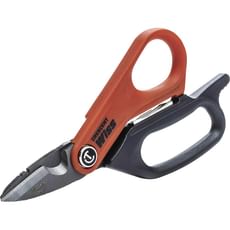
Specialist scissors represent a crucial category of professional cutting tools engineered for specific trades and demanding applications that standard household scissors simply cannot handle. Unlike conventional scissors, these precision instruments feature reinforced blades, ergonomic handles, and specialised cutting edges designed to tackle tough materials including Kevlar, aramid fibres, electrical cables, synthetic ropes, heavy-duty fabrics, and technical textiles. From electricians requiring VDE-insulated scissors for safe cable work to florists needing precision cutting tools for delicate stems, specialist scissors deliver the performance and reliability that professionals demand on the job.
The range available from Tooled-Up.com encompasses industrial-grade scissors from leading manufacturers including ARS, Wiss, Knipex, Facom, and Wiha. These tools incorporate advanced features such as micro-edge blade treatment for enhanced grip on slippery materials, spring-loaded mechanisms for reduced hand fatigue during repetitive cutting tasks, and insulated handles meeting stringent safety standards for electrical work. Whether you're cutting through multi-core cables on a construction site or trimming technical fabrics in a workshop environment, specialist scissors provide the cutting power, precision, and durability that general-purpose scissors lack.
Professional tradespeople invest in specialist scissors because these tools significantly improve efficiency, safety, and cut quality in specific applications. Heavy-duty tradesman shears can slice through materials like carpet, linoleum, and packaging strapping that would quickly dull ordinary scissors, whilst electricians' scissors feature precisely angled blades and insulated grips designed specifically for cable preparation work. The microscopic blade treatments and hardened steel construction found in industrial models ensure long-lasting sharpness even when cutting abrasive synthetic materials, making them a cost-effective choice for trades requiring reliable cutting performance day after day.
Jargon Buster
- Micro-edge Treatment: A specialised blade finishing process that creates microscopic waves on the cutting surface, enabling the scissors to grip firmly into materials and prevent slippage when cutting smooth or synthetic fabrics.
- VDE Insulation: Certified electrical insulation that protects users when working with live circuits up to 1000V AC or 1500V DC. Essential for electricians' scissors used in cable preparation and electrical installation work, meeting strict European safety standards.
- Spring-Loaded Mechanism: An integrated spring system that automatically reopens the scissors after each cut, reducing hand fatigue during repetitive cutting tasks and improving cutting speed for professional users.
- Aramid Fibres: High-strength synthetic fibres including Kevlar and Nomex that are exceptionally cut-resistant. Specialist scissors designed for aramid cutting feature reinforced blade edges and specific geometries to handle these demanding materials.
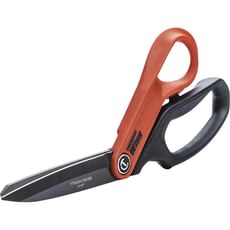
- Tradesman Shears: Heavy-duty scissors with robust construction, extended handles for increased leverage, and hardened steel blades capable of cutting through thick materials like carpet, rubber, leather, and heavy textiles commonly encountered on construction sites.
- Precision Scissors: Finely crafted scissors with narrow, sharp blades designed for detailed cutting work requiring accuracy and control, commonly used in electronics assembly, micro-tech applications, and intricate fabrication tasks.
Who Uses Specialist Scissors?
Specialist scissors serve a diverse range of professional tradespeople and skilled practitioners:
- Electricians and Electrical Engineers: For safely cutting cables, wires, and insulation materials during installation and maintenance work
- Carpet Fitters and Flooring Specialists: Requiring heavy-duty shears for cutting carpet, underlay, and vinyl flooring materials
- Upholsterers: Using industrial scissors for cutting fabrics, foam, and technical textiles with precision
- Automotive Trimmers: For cutting headliner materials, carpeting, and technical automotive fabrics
- Marine and Rope Work Professionals: Needing scissors capable of cutting synthetic ropes, rigging materials, and marine-grade textiles
- Industrial Fabricators: Working with aramid fibres, composite materials, and technical textiles requiring specialist cutting tools
- Florists and Horticulturalists: Requiring precision scissors for clean cuts on stems, foliage, and delicate plant materials
- Emergency Services: Using heavy-duty scissors for cutting seatbelts, clothing, and other materials during rescue operations
- Workshop Technicians: Needing precision scissors for detailed assembly work, cable preparation, and technical cutting tasks
- Packaging and Dispatch Operatives: For efficiently cutting through strapping, tape, and heavy-duty packaging materials
How to Choose the Right Specialist Scissors
Identify Your Primary Application: Begin by determining the specific materials you'll be cutting most frequently. Electricians require VDE-insulated scissors with cable-specific blade geometry, whilst those working with Kevlar or aramid fibres need scissors with micro-edge treatment and reinforced cutting edges. Heavy-duty tradesman shears suit construction site applications involving carpet, packaging, and thick materials, whereas precision scissors better serve electronics assembly and detailed fabrication work.
Consider Blade Construction and Treatment: Professional-grade scissors feature hardened steel blades that maintain sharpness through extended use. Look for models with specific blade treatments suited to your materials—micro-edge surfaces for synthetic fabrics, serrated edges for gripping slippery materials, or straight precision-ground edges for clean cuts on delicate items. Blade length affects both cutting capacity and manoeuvrability, with compact models (around 160mm) ideal for tight spaces and longer shears (200mm+) providing greater leverage for thick materials.
Evaluate Handle Design and Ergonomics: Comfort becomes critical during repetitive cutting tasks. Spring-loaded mechanisms significantly reduce hand fatigue by automatically reopening the scissors after each cut. Ergonomically shaped handles with soft-grip materials improve control and comfort during extended use. For electrical work, verify that handles feature adequate insulation meeting VDE or equivalent safety standards. Some models offer different handle sizes to accommodate various hand dimensions and glove use on site.
Assess Safety Features: For electrical applications, only select scissors with certified VDE insulation rated for the voltages you encounter (typically 1000V AC for UK 240v installations). Check that insulation extends sufficiently up the blade to protect against accidental contact. Some specialist scissors incorporate blade guards or safety locks for secure storage and transport, particularly important on busy construction sites or when working at height.
Choose Reputable Brands: Tooled-Up stocks established manufacturers including Knipex, Wiss, ARS, Facom, and Wiha—brands recognised for quality construction and reliable performance. These manufacturers back their products with warranties and have proven track records in professional applications. Whilst premium scissors represent a higher initial investment, their superior durability and maintained sharpness deliver better long-term value than budget alternatives requiring frequent replacement.
Popular Accessories
- Tool Pouches and Holsters: Leather or synthetic pouches for safely carrying scissors on tool belts, protecting blade edges and ensuring quick access
- Blade Sharpening Tools: Specialist sharpening stones and guides for maintaining optimal cutting performance on professional scissors
- Protective Blade Covers: Slip-on covers that protect sharp edges during storage and prevent accidental cuts when accessing toolboxes
- Cable Strippers and Knives: Complementary cutting tools for electrical work, wire preparation, and cable management tasks
- Cutting Mats and Surfaces: Self-healing mats that protect work surfaces and extend blade life by preventing contact with hard surfaces
- Tool Maintenance Sprays: Lubricants and rust inhibitors that keep pivot mechanisms smooth and protect blades from corrosion
- Multi-Tool Sets: Comprehensive kits including various specialist scissors alongside other precision cutting and preparation tools
Safety Information
Electrical Work Precautions: When using electricians' scissors, always verify that the tool carries appropriate VDE or equivalent insulation certification before working near live circuits. Even with insulated scissors, follow lockout/tagout procedures and confirm circuits are de-energised whenever possible. Regularly inspect insulation for cracks, wear, or damage that could compromise electrical protection—replace scissors immediately if insulation integrity is questionable.
Blade Handling Safety: Specialist scissors feature exceptionally sharp, hardened blades capable of causing serious cuts. Always cut away from your body and keep fingers clear of the blade path. When not in use, store scissors with blade covers fitted or in dedicated tool pouches to prevent accidental contact. Never attempt to catch falling scissors—step back and allow them to fall safely.
Material-Specific Hazards: When cutting certain materials, wear appropriate PPE including safety glasses to protect against flying fragments and cut-resistant gloves on the non-cutting hand. Materials like fibreglass, carbon fibre, and aramid fabrics can produce irritating dust particles during cutting—work in well-ventilated areas and consider respiratory protection when cutting such materials extensively. Follow HSE guidelines for working with hazardous materials in professional environments.
Maintenance and Inspection: Regularly inspect scissors for loose pivot screws, damaged handles, or chipped blades that could affect cutting performance or safety. Keep blades clean and lightly oiled to prevent corrosion, particularly after cutting damp materials. Never use specialist scissors beyond their intended application—using electricians' scissors as general-purpose shears, for example, risks damaging insulation and compromising electrical safety.
Frequently Asked Questions
What's the difference between electricians' scissors and standard scissors?
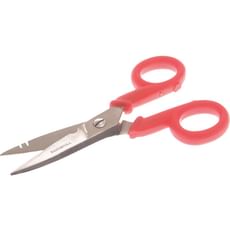
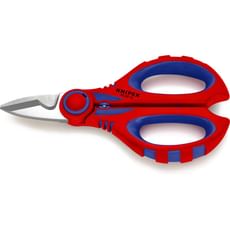
Electricians' scissors feature VDE-certified insulation on handles and partially up the blades, protecting users when working near live electrical circuits up to 1000V AC (well above UK 240v mains voltage). They also incorporate blade geometries specifically designed for cleanly cutting electrical cables and wires without crushing conductors or insulation. Standard scissors lack this electrical protection and typically cannot cut through multi-core cables cleanly, making them unsuitable and potentially dangerous for electrical work.
Can specialist scissors cut through Kevlar and aramid materials?
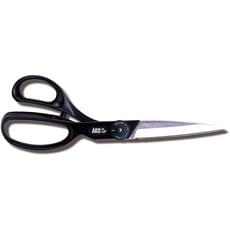
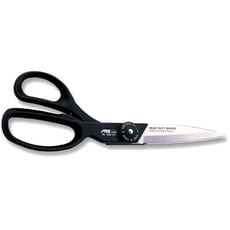
Yes, but only scissors specifically designed for this purpose. Models like the ARS Heavy Duty Industrial Kevlar Scissors feature reinforced blade edges and micro-edge treatment that enables them to grip and cut through these exceptionally strong synthetic fibres. Standard scissors, even heavy-duty models, will quickly dull or chip when used on aramid materials. Always select scissors explicitly rated for Kevlar cutting if you regularly work with these high-strength fabrics.
How do I maintain specialist scissors for long-term performance?
Keep blades clean and dry, wiping them after use to remove debris and moisture. Apply a light machine oil to the pivot mechanism periodically to ensure smooth operation. Store scissors in a dry environment, preferably with blade covers fitted. Avoid dropping scissors, as this can misalign blades or damage cutting edges. For professional use, consider having scissors professionally sharpened rather than attempting home sharpening, which can alter blade geometry and affect cutting performance.
Are spring-loaded scissors worth the extra cost?
For professionals performing repetitive cutting tasks throughout the day, spring-loaded mechanisms significantly reduce hand fatigue by automatically reopening the scissors after each cut. This feature improves cutting speed and comfort during extended use, making them worthwhile for electricians, upholsterers, and others who rely on scissors as primary tools. For occasional use, standard scissors without spring mechanisms may suffice, though many professionals find the ergonomic benefits justify the modest price premium.
What length scissors should I choose for electrical work?
Most electricians prefer compact scissors around 160-180mm total length, which provide excellent manoeuvrability in confined spaces like consumer units, junction boxes, and tight cable runs whilst still offering sufficient cutting capacity for common cable sizes. Longer scissors (200mm+) provide more leverage for thicker cables but can prove cumbersome when working in restricted areas typical of electrical installations. Consider the environments where you'll predominantly work when selecting blade length.