

Spillages
Pay in 3 interest-free payments on purchases from £30-2000 with  . Learn more.
 Loading...
End of content
Error - No more pages to load
About Spillages
Effective spillage control is essential in any workplace where liquids such as oils, fuels, chemicals or water-based substances are stored, handled or transported. The right spill containment and response equipment can prevent environmental damage, ensure compliance with HSE and COSHH regulations, and protect workers from hazardous exposures. Tooled-Up.com provides a comprehensive range of spillage management solutions designed to contain, absorb and clean up accidental spills quickly and safely across industrial, commercial and workshop environments.
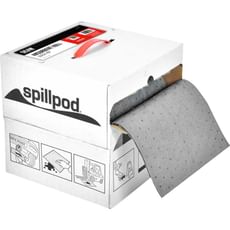
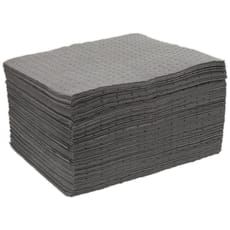
From barrel bunds that provide secondary containment for drums and IBCs, to specialist fuel spill kits for emergency response, the spillage control products available help businesses meet their duty of care obligations whilst minimising downtime and clean-up costs. Oil spill mats and absorbent materials form the frontline defence against everyday drips and leaks, preventing slippery surfaces and soil contamination. Whether you're managing a busy forecourt, operating a vehicle workshop, or storing hazardous substances on-site, having appropriate spill prevention and response equipment isn't just good practice—it's often a legal requirement under UK environmental protection legislation.
The spillage management category at Tooled-Up encompasses passive containment solutions that prevent spills from spreading, absorbent materials that quickly soak up liquids, and complete spill kits containing everything needed for rapid emergency response. These products are manufactured to meet stringent UK and European standards, offering peace of mind that your workplace is properly equipped to handle both routine maintenance situations and unexpected incidents involving hazardous liquids.
Jargon Buster
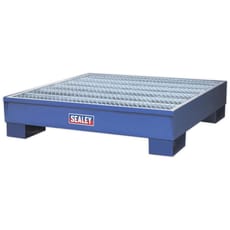
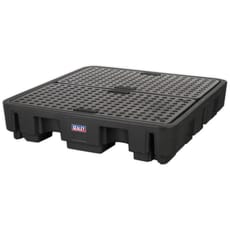
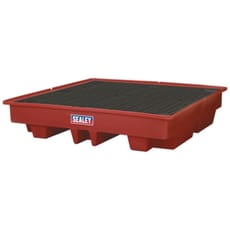
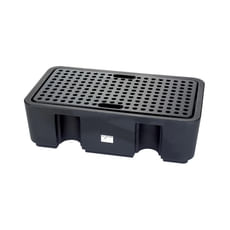
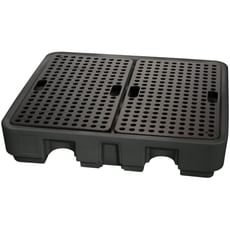
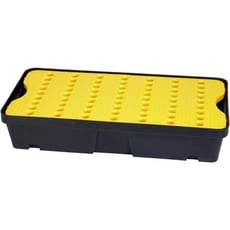
- Barrel Bund: A secondary containment system, typically a low-sided tray or platform, designed to catch and contain spills from drums, barrels or IBCs (Intermediate Bulk Containers). UK regulations often require bunding with 110% capacity of the largest container stored.
- Spill Kit: A pre-assembled collection of absorbent materials, personal protective equipment and disposal bags designed for rapid response to liquid spills. Different kits are formulated for oil-based, chemical or universal applications.
- Absorbent Capacity: The volume of liquid a spill mat or absorbent material can hold, typically measured in litres. This determines how much product you'll need for effective clean-up based on the potential spill volume.
- Hydrocarbon Spill: A spill involving petroleum-based products such as diesel, petrol, engine oil, hydraulic fluid or lubricants. These require specialist oil-only absorbents that repel water whilst absorbing hydrocarbons.
- COSHH: Control of Substances Hazardous to Health—the UK regulations governing how businesses must control exposure to hazardous substances, including requirements for spill containment and response procedures.
- Sump Capacity: The volume of liquid a bund or containment system can hold before overflowing. This must typically be at least 110% of the largest container's capacity or 25% of total stored volume, whichever is greater.
Who Uses Spillages?
Spillage control equipment is essential for a wide range of trades and industries:
- Vehicle Mechanics and Garages: Managing oil, coolant and fuel spills during servicing and repairs
- Forecourt Operators: Containing fuel spills at petrol stations and HGV refuelling areas
- Manufacturing Facilities: Protecting against hydraulic fluid, lubricant and chemical leaks from machinery
- Warehouse and Logistics: Preventing damage from leaking containers during storage and handling
- Agricultural Contractors: Managing diesel and agricultural chemical storage compliance
- Plant Hire Companies: Containing fuel and oil leaks from stored equipment and machinery
- Facilities Managers: Ensuring site-wide compliance with environmental protection regulations
- Emergency Services: First responders dealing with road traffic incidents involving fuel spillage
- Marine and Boatyards: Preventing oils and fuels entering watercourses
- Construction Sites: Managing fuel storage for generators and plant equipment
How to Choose the Right Spillages
Selecting appropriate spill control equipment requires careful consideration of your specific requirements:
Identify Your Liquids: Different absorbent materials are designed for specific liquid types. Oil-only absorbents repel water and float, making them ideal for hydrocarbon spills, whilst universal absorbents handle water-based and oil-based liquids. Chemical spill kits contain specialised materials for aggressive substances.
Calculate Required Capacity: For bunding, UK regulations typically require containment of 110% of the largest container's volume. For spill kits, consider the maximum potential spill volume in your workplace. A 200-litre drum requires bunding of at least 220 litres capacity.
Consider Portability Requirements: Mobile spill kits in wheeled bins suit larger facilities, whilst compact kits work well for service vehicles. Fixed bunds are ideal for permanent storage areas, while collapsible or portable bunds offer flexibility for temporary storage locations.
Assess Environmental Conditions: Outdoor storage requires weather-resistant bunding with drainage plugs, whilst indoor applications may benefit from low-profile designs. Consider whether you need UV-resistant materials or products that won't degrade in chemical environments.
Check Regulatory Compliance: Ensure products meet relevant UK standards and your industry-specific requirements. The Environment Agency provides guidance on spill prevention and control for different sectors, and your insurance may specify minimum containment standards.
Evaluate Material Construction: Polyethylene bunds resist chemical attack and won't rust, whilst galvanised steel offers high load-bearing capacity. Spill mats are available in various thicknesses—heavier-duty options last longer in high-traffic areas but cost more initially.
Popular Accessories
- Drum Handling Equipment: Trolleys, lifters and pumps for safely moving containers on and off bunds
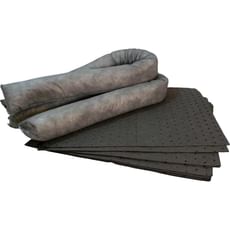
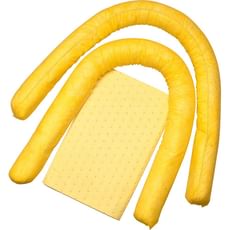
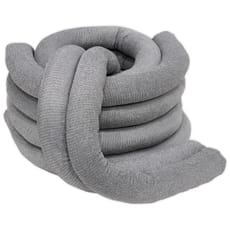
- Absorbent Booms and Socks: For containing and absorbing spreading liquids or surrounding drains
- Disposal Bags: Heavy-duty sacks for safe containment of used absorbent materials awaiting collection
- Personal Protective Equipment: Chemical-resistant gloves, goggles and aprons for spill response
- Drain Covers: Temporary seals to prevent spills entering drainage systems
- Bund Accessories: Ramps for drum access, covers to keep rain out, and support grids to elevate containers
- Warning Signage: Floor markers and hazard signs to identify spill risk areas
- Spill Absorbent Granules: Loose materials for larger spills or difficult-to-reach areas
Safety Information
When handling spillages and using control equipment, observe these important safety considerations:
Risk Assessment: Conduct a thorough COSHH assessment before storing hazardous liquids. This should identify spill risks, required containment measures, and emergency procedures. Ensure all staff understand spill response protocols and know where equipment is located.
Personal Protection: Always wear appropriate PPE when dealing with spills, particularly chemical substances. This typically includes chemical-resistant gloves, safety goggles, and protective clothing. Avoid direct skin contact with contaminated absorbent materials.
Ventilation: Many liquid spills release harmful vapours. Ensure adequate ventilation when cleaning up, especially in enclosed spaces. Evacuate the area if fumes are overwhelming and contact emergency services for significant chemical releases.
Disposal Requirements: Used absorbent materials contaminated with hazardous substances must be disposed of as controlled waste through licensed carriers. Never dispose of contaminated materials in general waste bins. Keep records of disposal as required by environmental regulations.
Regular Inspection: Check bunds regularly for damage, especially splits or cracks that could compromise containment. Ensure drainage plugs are closed during normal use and that stored containers are in good condition without leaks or corrosion.
Load Limits: Don't exceed the weight capacity of bunds and containment pallets. Overloading can cause structural failure, particularly with plastic bunding systems. Check manufacturer specifications before placing heavy containers or equipment.
Frequently Asked Questions
What size bund do I need for my drums?
UK regulations typically require bunding with capacity of at least 110% of the largest container, or 25% of total stored volume (whichever is greater). For a standard 205-litre drum, you'd need minimum 225-litre bund capacity. If storing multiple drums, calculate both requirements and use the larger figure.
What's the difference between oil-only and universal absorbents?
Oil-only absorbents are hydrophobic—they repel water whilst absorbing petroleum-based products like diesel, engine oil and hydraulic fluid. They float on water, making them ideal for outdoor use and marine applications. Universal absorbents handle both water-based and oil-based liquids but will sink when saturated, so they're better suited for indoor workshop use.
How often should spill kits be replaced?
Spill kits don't have a fixed expiry date, but should be inspected regularly and replenished after use. Check every 6-12 months that absorbent materials haven't become damp or contaminated, PPE is intact, and all components are present. Replace any items showing signs of deterioration or damage.
Do I need a bund for a single drum of heating oil?
If you're storing oil for domestic heating, regulations are less stringent than commercial storage, but bunding is still recommended good practice and may be required by your insurance. For commercial or industrial oil storage above 200 litres, secondary containment is typically mandatory under Environment Agency pollution prevention guidelines.
Can plastic bunds be used outdoors year-round?
Quality polyethylene bunds are UV-stabilised and weather-resistant, making them suitable for permanent outdoor installation in UK conditions. However, ensure they're on firm, level ground and consider covers to prevent rainwater accumulation. Check regularly for UV degradation, especially after several years of exposure, as plastics can become brittle over time.