

Sprays & Lubricants
Pay in 3 interest-free payments on purchases from £30-2000 with  . Learn more.
 Loading...
End of content
Error - No more pages to load
About Sprays & Lubricants
Sprays and lubricants are essential maintenance products for any tradesperson, engineer, or DIY enthusiast. These versatile chemical solutions tackle a wide range of tasks, from releasing seized bolts and preventing corrosion to lubricating moving parts and detecting gas leaks. Whether you're working on plumbing installations, automotive repairs, HVAC systems, or general maintenance, having the right spray or lubricant in your toolkit can save considerable time and prevent damage to components.
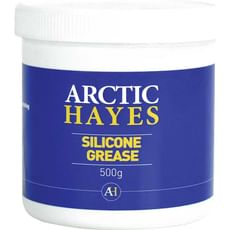
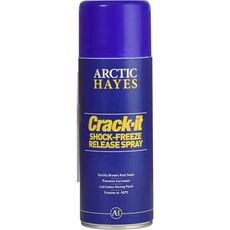
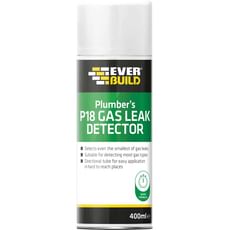
The range at Tooled-Up includes specialist freeze release sprays that use shock cooling to break corrosion seals on seized fasteners, silicone greases for lubricating rubber and plastic components, and gas leak detector sprays for safety-critical plumbing work. These products are formulated to perform in demanding trade environments, offering quick-acting solutions that help professionals complete jobs efficiently. Many modern formulations are designed with environmental considerations in mind, featuring biodegradable ingredients whilst maintaining professional-grade performance.
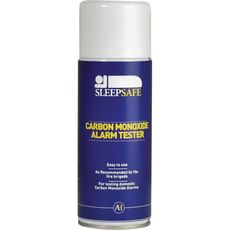
From releasing corroded pipework fittings to testing carbon monoxide alarms, professional-grade sprays and lubricants are invaluable across numerous trades. Quality products from brands like Arctic Hayes and Everbuild deliver reliable results whether you're working on site, in a workshop, or carrying out domestic repairs. Having a selection of specialist sprays readily available can prevent costly delays and equipment damage.
Jargon Buster
- Freeze Release Spray: A chemical solution that rapidly cools seized or corroded fasteners to extremely low temperatures, causing contraction that breaks the corrosion seal and allows penetration of lubricating agents. Typically works within 1-2 minutes.
- Silicone Grease: A lubricant based on silicone polymers that remains stable across a wide temperature range and won't degrade rubber, plastic, or synthetic materials. Ideal for O-rings, seals, and valves where petroleum-based lubricants would cause damage.
- Penetrating Fluid: A low-viscosity lubricant designed to seep into tight spaces between corroded threads and seized components, breaking down rust and allowing easier disassembly.
- PTFE Lubricant: A spray containing polytetrafluoroethylene (Teflon) particles that provides a dry, long-lasting lubricant film. Particularly useful where oil-based products would attract dirt and dust.
- Gas Leak Detector Spray: A soapy solution applied to gas pipe joints and connections that produces bubbles when gas is escaping, allowing immediate visual identification of leaks during pressure testing.
- Biodegradable Formula: A product formulation that breaks down naturally through bacterial action when exposed to the environment, reducing environmental impact compared to traditional petroleum-based alternatives.
Who Uses Sprays & Lubricants?
- Plumbers and Gas Engineers: For releasing seized valves, lubricating O-rings, and detecting gas leaks during installation and testing work
- Heating Engineers: For maintaining boilers, radiators, and HVAC systems, plus testing carbon monoxide alarm functionality
- Automotive Mechanics: For releasing corroded bolts, lubricating brake components, and general vehicle maintenance
- General Maintenance Technicians: For servicing machinery, releasing seized fasteners, and preventative maintenance across facilities
- Electricians: For lubricating cable pulls and protecting electrical connections from corrosion
- Agricultural and Plant Engineers: For maintaining farm machinery and heavy equipment exposed to harsh outdoor conditions
- Manufacturing and Production Staff: For routine lubrication of production line equipment and machinery
- DIY Enthusiasts: For home maintenance, bicycle repairs, and general workshop applications
How to Choose the Right Sprays & Lubricants
Application Type: Identify your specific need before purchasing. Freeze release sprays excel at breaking corrosion on seized fasteners, whilst silicone greases are essential for lubricating rubber components without causing degradation. Gas leak detector sprays are mandatory for pressure testing plumbing installations, and alarm tester sprays ensure safety devices function correctly.
Material Compatibility: Consider what materials you're treating. Silicone-based lubricants are safe for rubber, plastic, and synthetic materials, whereas petroleum-based products may cause these materials to swell or perish. Check product specifications to ensure compatibility with your application.
Working Temperature Range: Select products rated for your operating conditions. Some lubricants break down at high temperatures, whilst others become too viscous in cold environments. Freeze sprays must achieve sufficiently low temperatures to be effective on stubborn seized components.
Environmental Considerations: Many sites now require biodegradable or low-VOC (volatile organic compound) formulations. Tooled-Up.com stocks environmentally considerate options that maintain professional performance whilst reducing environmental impact.
Container Size and Type: Aerosol cans offer convenient application with directional spray nozzles, typically available in 400ml sizes suitable for trade use. Consider how frequently you'll use the product and whether portability is important for site work versus workshop storage.
Industry Compliance: For gas work, ensure leak detector sprays meet relevant regulations and won't contaminate gas systems. Products should comply with HSE guidelines and industry standards for professional applications.
Popular Accessories
- Spray Gun Attachments: Extension nozzles and precision applicators for reaching awkward spaces
- Safety Goggles and Gloves: Essential PPE when working with chemical sprays and freeze products
- Wire Brushes: For removing loose corrosion before applying penetrating fluids
- Cleaning Cloths and Rags: For wiping excess product and cleaning treated surfaces
- Parts Trays: For organising fasteners removed after using release sprays
- Torque Wrenches: For correctly tightening fasteners after treatment and reassembly
- Storage Cabinets: COSHH-compliant storage for chemical products on site or in workshops
Safety Information
Always work in well-ventilated areas when using aerosol sprays and lubricants, as many contain solvents and propellants that can cause respiratory irritation in confined spaces. Wear appropriate PPE including safety glasses to protect against splash-back, particularly when applying freeze sprays which reach extremely low temperatures and can cause cold burns on contact with skin.
Freeze release sprays are extremely flammable and should be kept away from ignition sources, hot surfaces, and electrical equipment. Never spray towards your face or eyes, and avoid prolonged skin contact. Store all sprays and lubricants in accordance with COSHH regulations, away from heat sources and direct sunlight, in upright positions to prevent leakage.
Read product labels and safety data sheets before use, paying particular attention to any specific hazard warnings. When using gas leak detector sprays, ensure the solution is appropriate for the gas type being tested and won't contaminate the system. Dispose of empty containers responsibly according to local authority guidelines, as aerosol cans require special handling.
Frequently Asked Questions
How long should I wait after applying freeze release spray?
Most freeze release sprays work within 1-2 minutes of application. Apply the spray directly to the seized component, wait for the freeze action to complete (you'll often see frost forming), then attempt to release the fastener. For severely corroded items, a second application may be necessary. Don't force components immediately as this can cause breakage.
Can I use silicone grease on all types of seals and O-rings?
Silicone grease is compatible with most rubber, plastic, and synthetic materials, making it ideal for general plumbing and engineering applications. However, always check manufacturer specifications for specific seal materials, as some specialist applications may require particular lubricant types. Silicone grease is particularly useful where petroleum-based products would cause degradation.
Are gas leak detector sprays suitable for all gas types?
Most plumber's gas leak detector sprays are formulated for use with natural gas and LPG installations. However, always verify the product specifications to ensure compatibility with your specific application. The spray should be non-corrosive and leave no residue that could contaminate the gas system or affect subsequent connections.
Do freeze sprays damage components or affect metal properties?
Quality freeze release sprays are formulated to avoid damaging metal components when used correctly. The rapid cooling and warming cycle doesn't affect the structural integrity of steel, cast iron, or most common metals. Many formulations include corrosion inhibitors to protect treated surfaces. However, avoid use on very thin materials or brittle components that might crack under thermal shock.
How should I store aerosol sprays and lubricants?
Store aerosols in a cool, dry location away from direct sunlight and heat sources, with temperatures ideally between 5°C and 25°C. Keep containers upright to prevent valve leakage and store in COSHH-compliant cabinets if required by site regulations. Check containers regularly for damage or corrosion, and ensure they're within their usable date for optimal performance.