

Spring Clamps

Pay in 3 interest-free payments on purchases from £20-£3000 with  . Learn more.
 Loading...
End of content
Error - No more pages to load
About Spring Clamps
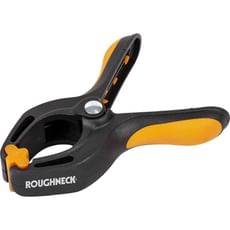
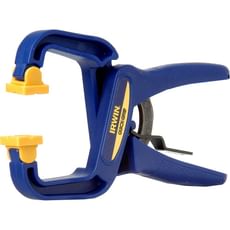
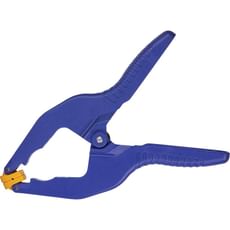
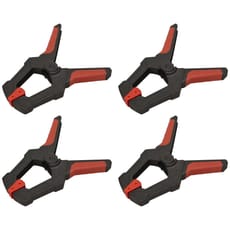
Spring clamps are among the most versatile and practical tools in any workshop, offering instant one-handed clamping for a wide range of applications. Unlike traditional screw clamps or bar clamps that require two hands and careful adjustment, spring clamps work on a simple yet effective principle: two jaws held under constant tension by a heavy-duty metal spring. Simply squeeze the handles to open the jaws, position around your workpiece, and release – the spring does the rest, providing immediate and reliable clamping pressure.
The spring clamp selection at Tooled-Up.com includes options from leading manufacturers such as Bessey, Stanley, Draper, and Quick-Grip, catering to everything from light-duty hobbyist work to demanding professional applications. Available in various sizes with jaw openings ranging from compact 25mm models up to 100mm or more, these clamps suit different workpiece thicknesses and clamping requirements. Many modern spring clamps feature protective soft pads on the jaws to prevent marking or damage to delicate surfaces, whilst heavy-duty variants incorporate reinforced steel construction for maximum grip strength and durability on building sites and workshops.
Tooled-Up stocks both standard spring clamps and specialist variants including ratcheting models that offer adjustable clamping pressure, extra-wide opening clamps for thicker materials, and sets that provide multiple sizes for different applications. Their compact, lightweight design makes them easy to transport in tool bags or boxes, and their robust construction typically ensures years of reliable service even in demanding workshop environments.
Jargon Buster
- Jaw Opening/Capacity: The maximum gap between the clamp jaws when fully opened, typically measured in millimetres. This determines the maximum thickness of material you can clamp.
- Throat Depth: The distance from the front edge of the jaws to the back of the clamp body. Greater throat depth allows you to reach further into a workpiece from the edge.
- Clamping Force: The amount of pressure the spring mechanism applies to hold materials together, usually measured in Newtons or kilograms. Heavier-duty clamps provide greater clamping force.
- Soft Pads/Protection Caps: Removable or permanent cushioning material on the jaw faces that prevents marking, scratching or denting of finished surfaces and delicate materials.
- Ratcheting Mechanism: An adjustable system found on some spring clamps that allows you to set and lock specific clamping pressures rather than relying solely on the spring's fixed tension.
- Varioclippix/Adjustable Spring Clamps: A type of spring clamp design that allows adjustment of the clamping pressure or jaw opening width beyond the standard spring tension.
Who Uses Spring Clamps?
- Carpenters and Joiners: For holding timber joints during gluing, positioning trim work, and temporary fixing of components
- Cabinet Makers: Securing delicate veneers, holding drawer fronts during installation, and assembling furniture pieces
- Painters and Decorators: Holding dust sheets in place, securing masking materials, and clamping drop cloths
- Plumbers: Temporarily holding pipes in position during cutting and fitting operations
- Electricians: Securing cables temporarily, holding junction boxes during installation work
- Metal Fabricators and Welders: Positioning sheet metal, holding tack welds, and securing workpieces for cutting
- DIY Enthusiasts and Hobbyists: General workshop projects, craft work, model making, and home repairs
- Automotive Technicians: Holding hoses, cables and components during vehicle maintenance and repair
- Upholsterers: Securing fabric temporarily during cutting and fitting processes
How to Choose the Right Spring Clamps
Jaw Opening Capacity: Consider the typical thickness of materials you'll be clamping. Small clamps with 25-50mm openings suit thin sheet materials and trim work, whilst 75-100mm models accommodate thicker timber, boards and multi-layer assemblies. Having a selection of sizes provides maximum versatility.
Clamping Force Requirements: Light-duty plastic-bodied clamps suffice for holding dust sheets or positioning lightweight materials, but professional applications demand heavy-duty steel construction with powerful springs. Bessey and Roughneck heavy-duty models deliver superior grip strength for demanding site work and workshop applications.
Jaw Protection: If you work with pre-finished timber, painted surfaces, or soft materials, choose clamps with removable soft pads or permanent protective caps. These prevent unsightly marks and damage that can ruin finished work. Many Bessey Clippix models feature integrated protection for delicate workpieces.
One-Handed Operation: Ensure the clamp handles are ergonomically designed and can be comfortably squeezed with one hand, even at maximum opening width. This is essential for solo working where you need to position materials whilst operating the clamp simultaneously.
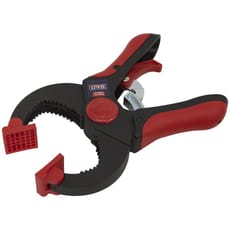
Ratcheting Options: Quick-Grip and Sealey ratchet clamps allow you to adjust and lock specific clamping pressures, offering more control than standard fixed-tension spring clamps. These suit applications requiring precise, consistent pressure across multiple clamps.
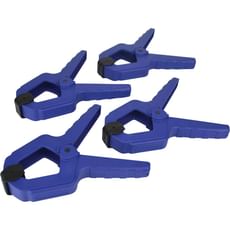
Sets vs Individual Clamps: For starting out or general workshop use, sets like the Faithfull 4 Piece Spring Clamp Set provide multiple sizes at economical prices. Professional tradespeople often prefer purchasing individual clamps in the specific sizes they use most frequently.
Popular Accessories
- Bar Clamps and Sash Clamps: For larger assemblies requiring greater reach and clamping force than spring clamps can provide
- Quick-Release Clamps: Trigger-operated clamps offering adjustable jaw positions for versatile workshop clamping
- Woodworking Adhesives: PVA glues and specialist adhesives for bonding joints whilst held by spring clamps
- Corner Clamps: Specialist clamps for holding mitre joints and right-angle assemblies during gluing
- Bench Vices: Permanent workbench mounting for heavy-duty holding of larger workpieces
- Clamp Pads and Protectors: Replacement soft pads and additional protective accessories for jaw faces
- Tool Storage Solutions: Dedicated clamp racks, wall mounts and tool box organisers for workshop storage
Safety Information
Release Under Control: Always release spring clamps carefully and under control. The spring mechanism stores significant energy, and allowing handles to snap together suddenly can cause finger injuries or trap skin painfully.
Inspect Before Use: Check springs for fatigue, rust or damage before use. Weakened springs may fail under load, potentially allowing workpieces to slip or fall. Examine jaw surfaces for chips or sharp edges that could damage materials or cause injury.
Match Clamp to Load: Never exceed the intended capacity of a spring clamp. Using undersized or light-duty clamps for heavy workpieces risks sudden failure, potentially causing materials to fall or shift dangerously.
Secure Positioning: Ensure clamps are positioned securely with jaws fully engaged on workpieces. Partial engagement or clamping on edges can cause slippage during work operations.
Frequently Asked Questions
What's the difference between standard and heavy-duty spring clamps?
Heavy-duty spring clamps feature thicker gauge steel construction, more powerful springs, and reinforced handles, delivering significantly greater clamping force. Standard clamps suit general workshop tasks and lighter materials, whilst heavy-duty versions handle demanding professional applications, thicker workpieces, and site work where robust performance is essential.
Can spring clamps damage finished surfaces?
Without protection, metal jaw faces can mark, dent or scratch finished surfaces. Always use clamps with soft pads or removable protection caps when working with pre-finished timber, painted surfaces, veneers or soft materials. Many professional-grade clamps include integrated jaw protection specifically for this purpose.
How many spring clamps do I need?
This depends on your typical projects. For general DIY work, a set of four to six clamps in assorted sizes provides good versatility. Professional workshops often maintain larger collections with multiple clamps in commonly-used sizes, as many gluing and assembly operations require simultaneous clamping at several points.
Are ratchet spring clamps better than standard models?
Ratcheting clamps offer adjustable, lockable clamping pressure which provides more control for specific applications. However, standard spring clamps are simpler, faster to operate, and generally more robust with fewer moving parts. Choose ratcheting models when you need precise pressure control; standard clamps excel for quick, repetitive clamping tasks.
What size spring clamp opening do I need?
Measure the typical thickness of materials you'll clamp and add 10-20mm allowance. A 25-50mm clamp suits sheet materials and trim up to about 40mm thick, whilst 75-100mm models accommodate standard timber dimensions and thicker assemblies. Having a variety of sizes ensures you're equipped for different applications.