

Squares & Bevels

Pay in 3 interest-free payments on purchases from £20-£3000 with  . Learn more.
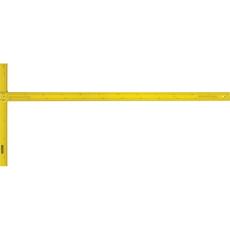
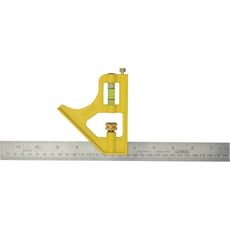
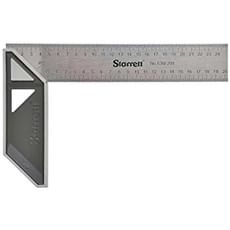
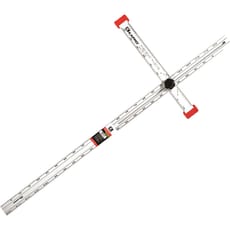
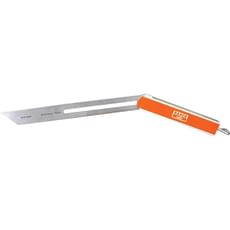
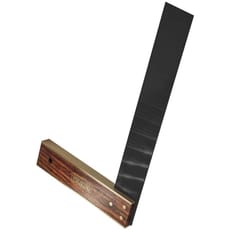
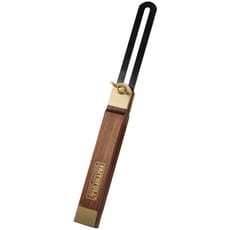
Loading...
End of content
Error - No more pages to load
About Squares & Bevels
Squares and bevels are precision measuring and marking tools that form the foundation of accurate work across carpentry, joinery, metalwork, roofing and construction trades. These essential instruments enable professionals and DIY enthusiasts to verify right angles, mark perfectly perpendicular lines, measure and transfer complex angles, and ensure squareness throughout every stage of a project. Whether you're hanging doors, building timber frames, cutting roof rafters or assembling fine cabinetry, the right square or bevel ensures your work meets exacting professional standards and complies with building regulations.
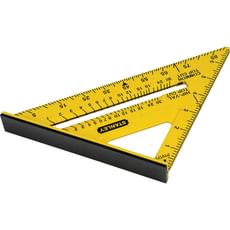
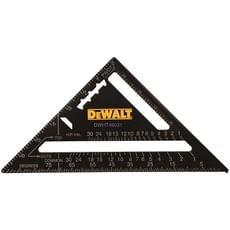
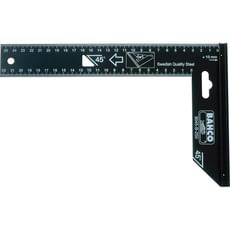
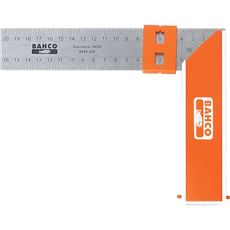
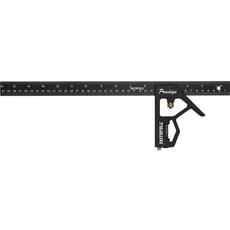
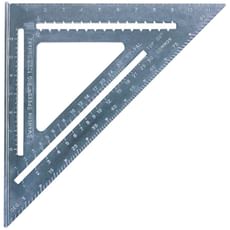
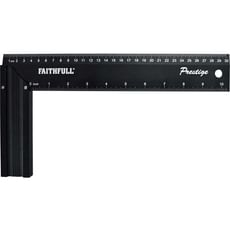
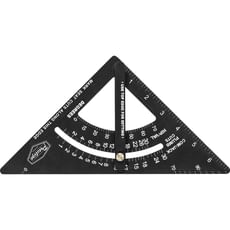
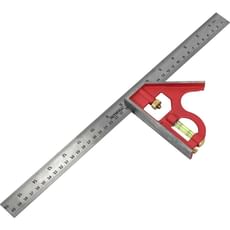
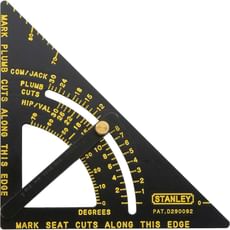
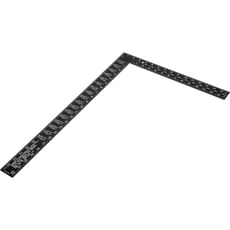
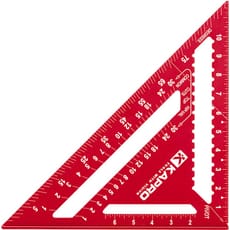
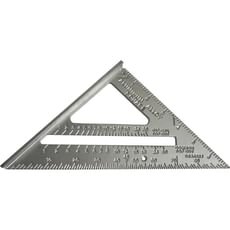
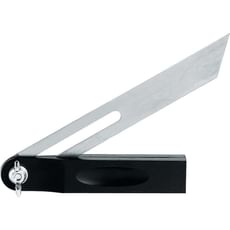
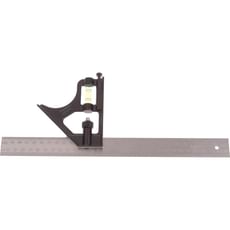
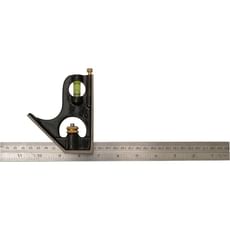
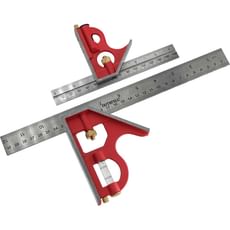
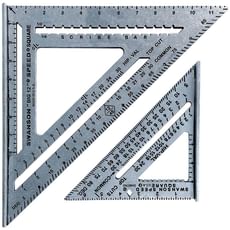
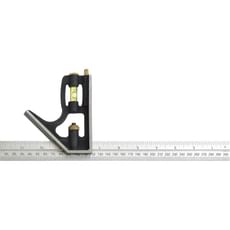
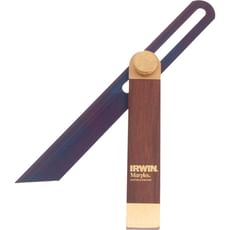
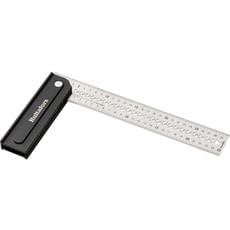
The selection at Tooled-Up.com encompasses specialist squares for every trade and application. Try squares deliver straightforward, dependable 90-degree accuracy for traditional marking and checking work. Combination squares offer remarkable versatility with removable heads functioning as depth gauges, scribers, mitre guides and spirit levels. Speed squares and quick squares provide rapid angle marking essential for site work and framing, whilst roofing squares help calculate rafter cuts and roof pitches with integrated tables and scales. Sliding bevels with adjustable blades prove indispensable when transferring or replicating existing angles, and drywall T-squares enable straight, accurate cuts across full plasterboard sheets.
Quality squares and bevels represent lifetime investments for tradespeople who depend on precision. Manufactured by trusted brands including Stanley, Bahco, Irwin and Starrett, these tools are precision-engineered from materials such as hardened stainless steel, aerospace-grade aluminium and brass. Professional-grade squares maintain their accuracy throughout decades of site use, with many conforming to DIN 875 or BS 939 standards that guarantee manufacturing tolerances within 0.1mm per 100mm. From cabinetmakers checking mortise and tenon joints to metalworkers verifying welded corners, having the appropriate square or bevel ensures work quality and professional reputation remain uncompromised.
Jargon Buster
- True Square: A measurement term indicating perfect perpendicularity at exactly 90 degrees. Quality squares maintain their true square throughout their working life, whilst cheaper versions may lose accuracy through impacts or drops.
- Blade and Stock: The two primary components of most squares. The blade is the longer measuring edge, whilst the stock (or head) is the shorter reference edge that registers against the workpiece. Both internal and external corners where they meet must be perfectly square.
- Scriber: A sharp pointed marking tool often integrated into combination square heads, used for marking fine, precise lines on wood, metal or plastic. Produces superior accuracy compared to pencil lines for precision joinery and metalwork.
- Spirit Level Vial: A sealed glass or acrylic tube containing liquid and an air bubble, frequently incorporated into combination squares and roofing squares. Enables simultaneous checking for level (horizontal), plumb (vertical) and specific angles.
- Stair Gauge: Adjustable stops that clamp onto the blade of a roofing square or speed square, allowing repetitive marking of identical angles and measurements—essential for cutting consistent stair stringers and roof rafters.
- DIN/BS Standards: German (DIN) and British (BS) manufacturing standards ensuring squares meet specific accuracy tolerances. Professional-grade squares typically comply with DIN 875 or BS 939 standards for guaranteed precision suitable for trade use.
Who Uses Squares & Bevels?
These versatile precision tools are essential across numerous trades and applications:
- Carpenters and Joiners: For checking cabinet squareness, marking mortise and tenon joints, verifying door frame alignment and ensuring accurate assembly of timber structures
- Roofers: Using roofing squares to calculate rafter angles, mark hip and valley cuts, determine roof pitches and establish consistent measurements for complex roof geometry
- Plasterers and Drywall Installers: Employing T-squares for marking accurate cuts on plasterboard sheets and ensuring square corners in partition walls
- Metalworkers and Fabricators: Checking welded joints for squareness, marking cut lines on steel sections, and verifying right angles on fabricated assemblies
- Bricklayers and Stonemasons: Ensuring corners are square during wall construction, checking alignment and verifying perpendicularity throughout masonry work
- Furniture Makers and Cabinetmakers: For precision joinery requiring exact angles, perfectly square carcass construction and high-quality furniture assembly
- Picture Framers: Using mitre squares to ensure accurate 45-degree corner joints for professional framing results
- Shop Fitters: Marking and checking retail installations, shelving systems, display units and fitted furniture in commercial environments
- DIY Enthusiasts: For home improvement projects including decking, fencing, shelving installation, hanging doors and general carpentry tasks
How to Choose the Right Squares & Bevels
Type of Square: Select based on your primary application. Try squares offer simple, reliable 90-degree checking ideal for general woodwork and traditional joinery. Combination squares provide multiple functions in one tool—perfect for site work requiring versatility. Speed squares and quick squares suit framing and roofing where rapid angle marking matters most. Sliding bevels prove indispensable when transferring or replicating existing angles found on site.
Size Considerations: Blade length determines the tool's versatility and suitability. A 150mm try square handles small joinery and detailed cabinetwork, whilst 300mm versions accommodate wider boards and panels. Roofing squares typically feature 400-600mm blades for marking full rafter dimensions. Drywall T-squares commonly measure 1200mm to span standard plasterboard widths. Consider the typical dimensions of materials you work with regularly.
Material and Build Quality: Professional-grade squares feature hardened stainless steel blades that resist corrosion and maintain accuracy despite regular site abuse. Aluminium-bodied squares offer lightness for overhead work whilst maintaining necessary rigidity. Cheaper pressed steel versions may lose accuracy if dropped or knocked. Check for deeply etched or permanently marked graduations that won't wear away—critical for long-term reliability and readability in various lighting conditions.
Accuracy Standards: Professional tools should reference DIN or BS standards confirming their manufacturing tolerance. Grade A squares offer the highest precision for cabinetmaking and fine joinery where tolerances matter most. Grade B provides adequate accuracy for general carpentry and construction work. For critical applications, verify squareness against a known reference before purchasing or when the tool arrives.
Additional Features: Combination squares with multiple functions justify their cost through versatility—look for removable heads, integrated spirit levels, scriber points and dual measurement scales. Roofing squares with clearly marked rafter tables, hip-valley scales and octagon scales simplify complex calculations on site. Some models include stair gauges or adjustable stops for repetitive marking tasks that save considerable time.
Budget Considerations: Entry-level squares from established brands like Stanley or Irwin suit occasional DIY use and light duties. Mid-range options from Tooled-Up offer improved accuracy and durability for regular tradespeople who depend on their tools daily. Premium brands including Starrett and Bahco represent lifetime investments for professional craftspeople where precision directly affects work quality, customer satisfaction and professional reputation.
Popular Accessories
- Stair Gauges: Clamp-on stops that attach to square blades, enabling consistent repetitive marking of identical angles—essential for cutting stringers, rafters and repetitive joinery cuts with speed and accuracy
- Replacement Blades: Available for quality combination squares, allowing blade replacement if damaged through site work whilst retaining the precision-machined head
- Scribers and Marking Tools: Sharp pointed instruments for marking fine, accurate lines on various materials. Some integrate into combination square heads, whilst standalone versions offer different point profiles for specific applications
- Centre Finders: Attachments for combination squares that quickly locate the centre point of round or square stock—valuable for lathe work and symmetrical joinery applications
- Protractors and Angle Finders: Complementary tools for measuring and transferring angles beyond the fixed angles provided by squares—useful alongside sliding bevels for complex architectural and roofing work
- Marking Knives and Pencils: Quality marking tools ensure your accurately positioned square translates to visible, precise lines on your workpiece—carpenters' pencils and striking knives complement square use
- Storage Solutions: Tool rolls, cases and wall-mounted holders protect squares from damage and maintain their accuracy between jobs
Frequently Asked Questions
How do I check if my square is actually square?
Place the square's stock against a known straight edge and mark a fine line along the blade. Flip the square over and align the stock to the same reference point—the blade should align perfectly with your marked line. Any deviation indicates the square is out of true. Professional squares should maintain accuracy within 0.1mm per 100mm length. Test both internal and external corners, as these can differ in cheaper squares.
What's the difference between a try square and a combination square?
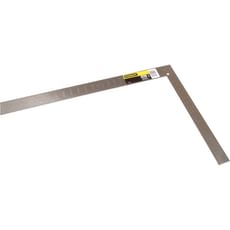
A try square is a fixed L-shaped tool designed purely for checking and marking 90-degree angles—simple, reliable and accurate for traditional woodworking. A combination square features a removable head that slides along the blade, functioning as a square, depth gauge, mitre square and height gauge, often including a spirit level and scriber. Combination squares offer versatility for varied site work, whilst try squares provide dedicated accuracy for right-angle joinery and cabinetmaking.
Can I use a speed square for finish carpentry?
Speed squares (quick squares) excel at rapid marking for framing, roofing and rough carpentry where efficiency and durability matter most. However, their cast aluminium construction and broader manufacturing tolerances make them less suitable for fine cabinetwork or precision joinery where traditional try squares or engineer's squares offer superior accuracy. Match the tool's precision level to your required work quality—use speed squares for structural work and try squares for visible joinery.
How should I maintain accuracy in my squares and bevels?
Store squares hanging or lying flat—never standing on their blade edge which can cause distortion. Avoid dropping them, as impacts can permanently distort the critical 90-degree angle. Keep sliding mechanisms clean and lightly oiled to prevent binding. Protect steel blades from corrosion with occasional wiping with light machine oil. Check accuracy periodically using the flip test method, particularly after the tool has been dropped or subjected to harsh site conditions. Quality squares from brands available at Tooled-Up.com maintain accuracy for decades with proper care.
What size roofing square do I need for UK roof pitches?
A standard 400-600mm roofing square handles most UK domestic roof construction adequately. Look for models with clearly marked rafter tables showing common UK roof pitches (typically 30-50 degrees for modern construction, though regional and architectural variations exist). The square should display hip-valley scales and degree markings for versatility. Some UK-focused models include conversion tables for calculating rafter lengths based on run and pitch measurements in metric units, simplifying on-site calculations without requiring separate reference materials.