

Stands for Grinders
Pay in 3 interest-free payments on purchases from £30-2000 with  . Learn more.
 Loading...
End of content
Error - No more pages to load
About Stands for Grinders
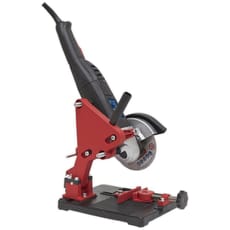
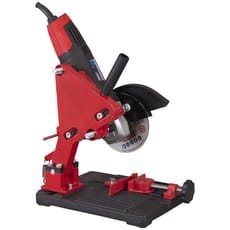
Stands for grinders transform portable angle grinders into precision cutting stations, delivering the accuracy and stability required for repetitive cutting tasks. These robust accessories feature heavy-duty bases, adjustable mounting brackets, and integrated workpiece vices that secure materials whilst the grinder makes clean, perpendicular cuts. Whether you're cutting metal bar stock, reinforcing rebar, or preparing aluminium sections, a grinder stand eliminates the fatigue and inconsistency associated with freehand cutting.
The selection available from Tooled-Up.com includes angle grinder stands with cast iron bases for maximum stability, quick-release mechanisms for rapid tool mounting, and adjustable cutting depths to accommodate various material thicknesses. These stands typically accept standard 115mm (4.5") and 125mm (5") angle grinders, converting them into bench-mounted cut-off machines capable of achieving workshop-quality results on site or in fabrication environments. Most models incorporate workpiece vices with positive locking to secure round, square, and flat stock firmly during cutting operations.
Professional fabricators, metalworkers, and construction tradespeople rely on grinder stands to increase productivity when processing large quantities of similar cuts. The rigid construction reduces vibration and blade deflection, resulting in cleaner cuts with less material waste. Many stands feature angle adjustment capabilities for mitre cuts, whilst protective guards and spark deflectors enhance operator safety during extended cutting sessions.
Jargon Buster
- Cast Iron Base: A heavy foundation component that provides stability and vibration dampening during cutting operations. Cast iron bases resist movement and absorb operational forces better than fabricated steel alternatives.
- Workpiece Vice: An integrated clamping mechanism that secures materials in position whilst cutting. Quality vices feature serrated jaws and positive locking to prevent workpiece movement during grinder operation.
- Quick-Release Mount: A tool-free mounting system that allows rapid installation and removal of the angle grinder from the stand. This feature enables the grinder to be used both mounted and handheld without tools or time-consuming adjustments.
- Cutting Depth Capacity: The maximum thickness of material that can be positioned under the grinder blade when mounted in the stand. This specification determines what materials can be cut and varies by stand design.
- Mitre Capability: The ability to adjust the cutting angle from vertical to create angled cuts. Stands with mitre adjustment typically offer settings between 0° and 45° for bevelled cuts.
- Spark Guard: A protective shield that directs sparks and debris away from the operator. Essential for safe operation when cutting ferrous metals that produce significant spark showers.
Who Uses Stands for Grinders?
- Steel Fabricators and Welders: Professionals cutting repetitive lengths of angle iron, box section, and flat bar for fabrication projects
- Metal Fencing Contractors: Tradespeople preparing railings, posts, and horizontal members to precise lengths
- Construction Groundworkers: Site operatives cutting rebar, reinforcing mesh, and structural steel to specification
- Vehicle Restoration Specialists: Mechanics and bodywork professionals preparing metal sections for automotive repairs
- Agricultural Engineers: Farm maintenance personnel cutting steel stock for equipment repairs and modifications
- General Engineering Workshops: Machinists and maintenance fitters requiring accurate repetitive cuts in workshop environments
- HVAC Installers: Heating engineers cutting ductwork supports and mounting brackets
- Shopfitters and Joiners: Professionals working with metal framework and structural components
How to Choose the Right Stands for Grinders
Grinder Compatibility: Verify that the stand accepts your angle grinder size, typically 115mm or 125mm disc diameter. Check mounting bracket dimensions and whether your specific grinder model fits securely. Some stands include universal mounts whilst others are designed for particular grinder styles.
Base Construction and Weight: Heavier cast iron bases provide superior stability during cutting operations compared to fabricated steel alternatives. Consider whether the stand will remain stationary in a workshop or require transportation between sites. Workshop-based users benefit from maximum weight and stability, whilst mobile tradespeople may prioritise portability.
Cutting Capacity: Assess the maximum material thickness and width the stand accommodates. Specifications typically indicate cutting depth capacity (often 18mm to 25mm for standard models) and throat depth, which determines how far from the material edge you can cut. Ensure these dimensions suit your typical workpieces.
Vice Quality and Type: The workpiece vice should feature hardened serrated jaws that grip securely without damaging materials. Check whether the vice accommodates round, square, and flat stock. Quick-action vices speed up workflow when processing multiple pieces, whilst screw-type vices offer maximum clamping force.
Adjustment Features: Determine whether you require mitre cutting capability for angled cuts. Height adjustment and material support extensions benefit users cutting longer stock. Tool-free adjustments enhance convenience compared to models requiring spanners for every setup change.
Build Quality and Longevity: Tooled-Up stocks stands from manufacturers like Sealey that prioritise durability in demanding workshop and site environments. Examine welded joints, casting quality, and component thickness. Professional-grade stands withstand daily use and maintain accuracy over time.
Popular Accessories
- Cutting Discs: Thin cutting discs (1mm to 2.5mm) specifically designed for metal cutting, available in ferrous and non-ferrous formulations
- Diamond Cutting Discs: Specialised discs for cutting masonry, concrete, and ceramic materials when the stand is used for non-metal applications
- Blade Guards: Replacement or upgraded guards that provide enhanced protection and better spark deflection
- Workpiece Stops: Attachable length stops for cutting multiple pieces to identical dimensions
- Bench Mounting Kits: Bolt-down fixtures for permanent workshop installation of the grinder stand
- Safety Glasses and Face Shields: Essential PPE for protection against sparks, debris, and disc fragments
- Measuring and Marking Tools: Steel rules, combination squares, and engineer's markers for accurate material marking before cutting
- Replacement Vices: Upgraded or spare workpiece vices with different jaw configurations
Safety Information
Secure Mounting: Always ensure the grinder stand is positioned on a stable, level surface before operation. Bolt the stand to a workbench where possible to prevent movement during cutting. Verify that all mounting bolts securing the grinder to the stand are tightened according to manufacturer specifications.
Workpiece Clamping: Materials must be clamped securely in the vice before commencing cutting operations. Never attempt to hold workpieces by hand whilst the grinder is operating. Ensure the material is positioned so the cutting disc won't contact the vice jaws during the cut.
Personal Protective Equipment: Wear appropriate safety glasses or a face shield to protect against sparks and debris. Use hearing protection, as grinder stands can generate significant noise levels. Avoid loose clothing, gloves, or jewellery that could become entangled.
Disc Selection and Inspection: Use only cutting discs rated for the grinder's maximum RPM and appropriate for the material being cut. Inspect discs before each use for cracks, chips, or damage. Replace worn discs before they become dangerously thin. Never exceed the maximum cutting depth specified by the stand manufacturer.
Electrical Safety: When using 240v angle grinders in stand applications, ensure the power supply includes RCD protection. Keep cables clear of the cutting area and rotate path. Allow the grinder to reach full speed before lowering the disc into the material.
Spark Management: Position the stand to direct sparks away from flammable materials, gas cylinders, and other personnel. Ensure adequate ventilation when cutting indoors, as metal cutting generates fumes. Keep a suitable fire extinguisher accessible in workshop environments.
Frequently Asked Questions
Can I use any brand of angle grinder with a grinder stand?
Most stands accept standard 115mm and 125mm angle grinders from major manufacturers, but mounting bracket designs vary. Check the stand specifications to confirm compatibility with your grinder model. Some stands feature universal mounts, whilst others work best with specific grinder body styles. The handle position and body shape can affect mounting, so verify fitment before purchase if you're using a less common grinder model.
What's the advantage of a grinder stand over cutting freehand?
Grinder stands deliver perpendicular cuts with consistent accuracy that's difficult to achieve freehand, particularly when processing multiple identical pieces. The stable base eliminates operator fatigue during repetitive cutting tasks and improves safety by securing both the grinder and workpiece. Stands also enable two-handed operation of the feed mechanism rather than supporting the grinder's weight, resulting in better control and cleaner cuts with less blade deflection.
Can grinder stands cut materials other than metal?
Whilst primarily designed for metal cutting, grinder stands can accommodate other materials when fitted with appropriate discs. Diamond discs allow cutting of masonry, concrete blocks, and paving slabs. However, consider that metal cutting generates sparks whilst masonry produces substantial dust, so ensure adequate dust extraction or outdoor use when cutting non-metallic materials. Always use the correct disc type for your material.
How do I maintain a grinder stand for longevity?
Keep the base and sliding components free from metal filings and debris that accumulate during cutting operations. Regularly brush away swarf and periodically wipe sliding surfaces with a light machine oil to prevent corrosion. Check that all fasteners remain tight, particularly vice jaws and grinder mounting bolts. Store the stand in a dry environment when not in use, and inspect cast iron bases for cracks if the stand has been subjected to impact or dropped.
What thickness of material can I cut with a typical grinder stand?
Standard grinder stands accommodate materials up to 18mm to 25mm thick, depending on the model and grinder disc size. This capacity suits most common bar stock, angle iron, and flat bar applications. The actual cutting capacity depends on the disc diameter (115mm or 125mm) and the stand's throat depth. Remember that disc diameter decreases with wear, reducing effective cutting capacity over time. Check the stand specifications for precise cutting depth ratings before purchasing.