

Staple Guns
Pay in 3 interest-free payments on purchases from £30-2000 with  . Learn more.
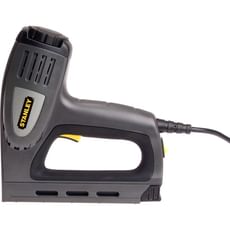
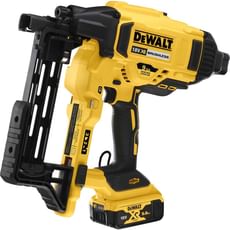
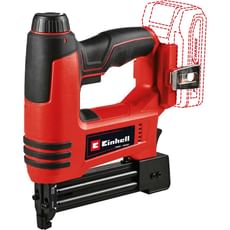
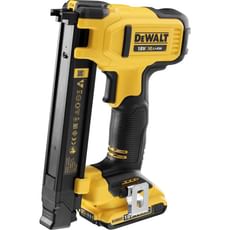
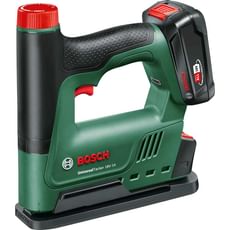
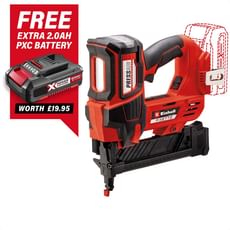
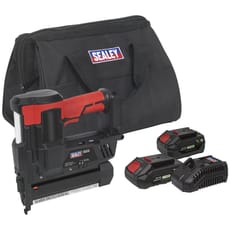
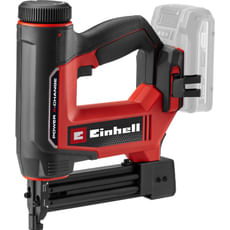
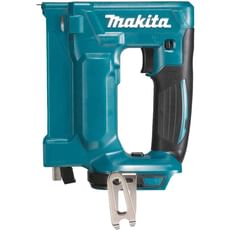
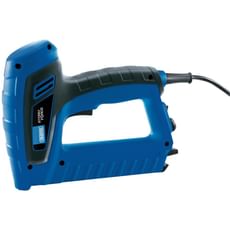
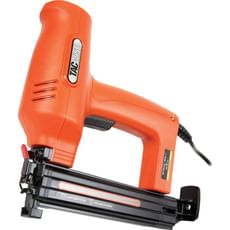
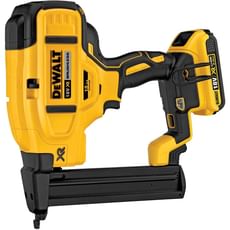
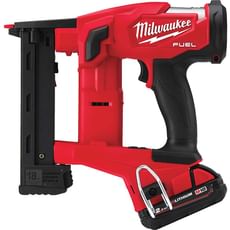
Milwaukee M18 FNCS18GS Fuel 18v Cordless Brushless Narrow Crown Stapler
available
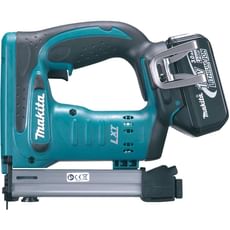
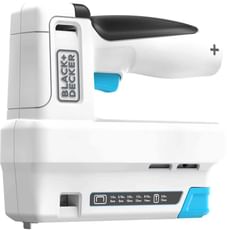
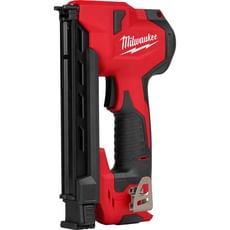
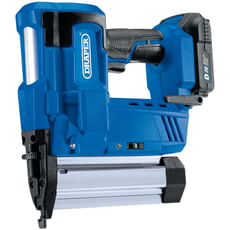
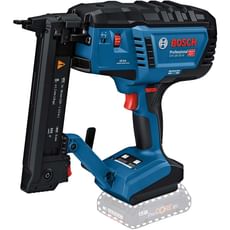
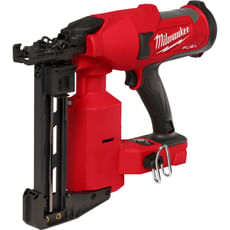
Milwaukee M18 FFUS Fuel 18v Cordless Brushless Fencing Utility Stapler
available
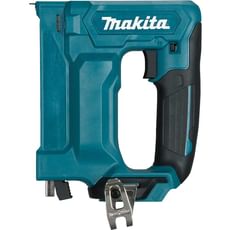
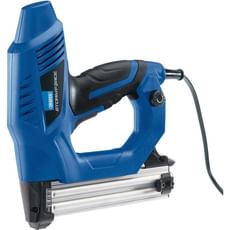
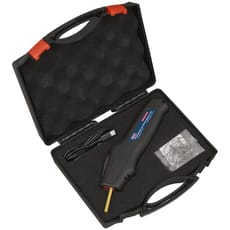
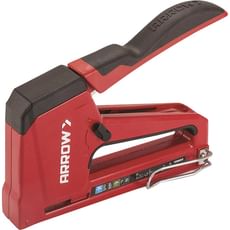
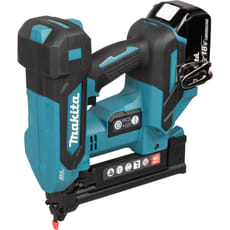
 Loading...
End of content
Error - No more pages to load
About Staple Guns
Staple guns are versatile fastening tools that have become indispensable across professional trades and DIY applications, designed to drive staples rapidly and reliably into materials including wood, plastic, fabric, and soft metals. From upholsterers securing leather to furniture frames and electricians cable-tacking on construction sites, to weekend DIY enthusiasts tackling home improvement projects, these tools deliver professional results whilst dramatically improving productivity. The selection at Tooled-Up.com encompasses everything from straightforward manual models for occasional light-duty tasks through to powerful 18v cordless battery-operated units that rival pneumatic tools for speed and consistent performance.
Today's staple gun market offers three distinct power categories: manual models that rely on hand pressure for economical operation, corded electric versions delivering consistent power during extended workshop sessions, and cordless battery-powered tools that combine portability with impressive driving force. Leading manufacturers like Makita, DeWalt, and Milwaukee have developed sophisticated cordless platforms delivering thousands of staples per charge, whilst brands including Arrow, Stanley, and Tacwise continue producing reliable manual and electric options for lighter applications. Many modern staple guns also function as brad nailers, offering genuine versatility for different fastening requirements on the same job.
Professional-grade staple guns now feature brushless motors for extended runtime and durability, depth adjustment mechanisms for precise fastening control, tool-free jam clearing systems, and integrated LED work lights for improved visibility in awkward locations. Whether you need a heavy-duty fencing stapler for agricultural work, a narrow crown stapler for detailed carpentry, or a general-purpose tacker for insulation and roofing felt applications, there's a model engineered specifically for your requirements. Understanding the differences between staple types, power sources, and specialist features helps ensure you select the most appropriate tool for your particular working environment.
Jargon Buster
- Crown Width: The measurement across the top of the staple, typically ranging from narrow crown (around 6mm) for fine finish work to wide crown (up to 12mm) for heavy-duty applications including fencing and upholstery work.
- Gauge: Refers to the thickness of the wire used to manufacture staples or brads. Lower numbers indicate thicker, stronger fasteners – for example, 18-gauge brads are thinner and leave smaller holes than 16-gauge staples.
- Leg Length: The depth to which a staple penetrates the material, measured in millimetres. Common ranges are 6-14mm for light work, 15-32mm for general applications, and 38mm or greater for heavy-duty fastening.
- Contact Trip: A safety mechanism requiring the tool's nose to be pressed firmly against the work surface before the trigger will activate, preventing accidental discharge during handling or transport.
- Brushless Motor: Modern motor technology found in cordless models that delivers greater efficiency, longer battery runtime, reduced maintenance requirements, and extended tool lifespan compared to traditional brushed motors.
- Sequential Firing Mode: A setting that requires the trigger to be released between each staple, providing greater control and precision for careful work compared to bump firing mode which allows rapid continuous fastening.
Who Uses Staple Guns?
Staple guns serve a remarkably diverse range of trades and applications:
- Upholsterers and soft furnishers – securing fabric, leather, webbing, and hessian to furniture frames
- Carpenters and joiners – fixing trim, beading, panelling, and cabinet backing boards
- Electricians – tacking low-voltage cables and data cabling to joists and studs
- Roofers – attaching roofing felt, breathable membranes, and insulation materials
- Fencers and landscapers – fastening wire mesh, chicken wire, and agricultural fencing
- Insulation installers – securing insulation boards, vapour barriers, and underlay materials
- Flooring specialists – fixing underlay and securing carpet gripper rods
- Shop fitters and exhibition builders – attaching fabrics, posters, and lightweight materials to display boards
- DIY enthusiasts – upholstery projects, creating canvas frames, household repairs, and craft applications
- Picture framers – assembling frames and securing backing boards
How to Choose the Right Staple Guns
Power Source: Manual staple guns are economical and reliable for occasional light-duty use, requiring no electricity or batteries. Corded electric models provide consistent power for extended sessions without runtime limitations, ideal for workshop environments. Cordless battery-powered versions offer maximum flexibility for site work and overhead applications, with 18v platforms from DeWalt, Milwaukee, and Makita delivering professional-grade performance comparable to pneumatic alternatives without requiring compressors.
Application and Staple Type: Consider what materials you'll be fastening and their thickness. Light upholstery and craft work requires staples from 6-12mm, general carpentry and cable tacking suits 12-20mm staples, whilst heavy-duty applications like fencing demand 32-38mm fasteners. Narrow crown staplers (around 6mm) are best for finish carpentry where appearance matters, whereas wide crown models provide superior holding power for structural and heavy-duty work.
Firing Mechanism: Sequential firing mode fires one staple per trigger pull, offering precision for careful work. Contact or bump firing allows rapid fastening by holding the trigger and bumping the nose against the work surface – excellent for high-volume repetitive tasks but requiring more care to avoid mistakes. Many professional models offer both modes via a selector switch.
Build Quality and Features: Professional tools justify their higher cost through aluminium or magnesium housings, tool-free depth adjustment, anti-jam mechanisms, remaining capacity indicators, and belt hooks. If you're using the tool daily on site, investing in brands like Makita, DeWalt, or Milwaukee ensures durability and access to comprehensive warranty support. For occasional DIY use, mid-range options from Einhell, Draper, or Black and Decker offer excellent value.
Dual Functionality: Many modern staple guns also function as brad nailers, accepting 18-gauge brads for trim work and fine carpentry. This versatility can eliminate the need for separate tools, particularly valuable for carpenters and general builders tackling varied tasks. Check compatibility with readily available fastener sizes to ensure consumables remain affordable and accessible.
Ergonomics and Weight: For overhead work or extended use, tool weight becomes crucial. Cordless models typically weigh 1.5-3kg, with lighter units reducing fatigue during ceiling installations or upholstery work. Rubberised grips, balanced weight distribution, and compact designs all contribute to user comfort during prolonged sessions.
Popular Accessories
- Staples and Brads: Available in various crown widths, gauges, and leg lengths to suit different materials and applications. Purchase in bulk for better value – boxes typically contain 1,000-5,000 fasteners.
- Additional Battery Packs: For cordless models, a second 18v battery ensures uninterrupted workflow, with one charging whilst the other powers your tool through the working day.
- Carrying Cases: Purpose-designed cases protect your investment during transport and storage whilst keeping staples, adjustment tools, and batteries organised in one location.
- Safety Glasses: Essential PPE to protect against ricocheting staples or debris, particularly when working overhead or with hardwoods that may cause fasteners to deflect.
- Staple Removers: Specialised tools for safely extracting incorrectly placed or damaged staples without damaging surrounding materials – invaluable for upholstery work and mistake correction.
- Multi-Voltage Chargers: If you operate multiple cordless tools across different voltage platforms, rapid chargers reduce downtime between batteries.
Safety Information
Staple guns are powerful tools capable of driving fasteners through tough materials and, if mishandled, can cause serious injury. Always wear appropriate safety glasses or goggles to protect against ricocheting staples, flying debris, or accidental discharge. Never point a staple gun at yourself or others, and always disconnect the battery or power source before clearing jams or performing maintenance. The contact trip safety mechanism should never be defeated or disabled.
When working with cordless models, remove the battery pack during adjustments, cleaning, or when the tool isn't in use to prevent accidental triggering. Be particularly cautious when working near concealed pipes or electrical cables – staples can penetrate services and create dangerous situations. On building sites, follow HSE guidelines regarding power tool use and ensure all operators have received proper instruction.
Maintain your staple gun according to manufacturer recommendations, checking for damaged or worn parts before each use. Ensure adequate lighting in your work area to maintain accuracy and reduce the risk of misplaced fasteners. When working overhead, secure your position properly and take regular breaks to prevent fatigue-related accidents. Store staple guns safely out of reach of children, preferably in a locked cabinet or case.
Frequently Asked Questions
What's the difference between a staple gun and a brad nailer?
Staple guns drive U-shaped staples that grip materials from two points, providing superior holding power for fabrics, cables, and sheet materials. Brad nailers fire thin, single-piece nails (brads) that leave minimal visible holes, making them ideal for trim work and fine carpentry. Many modern tools available from Tooled-Up stock both functions, offering versatility for different applications with a quick fastener change.
Can I use any brand of staples in my staple gun?
Staples are generally standardised by type (such as Type 53 or Type 140), meaning compatible staples from different manufacturers will usually work in your tool. However, always check your user manual for recommended staple specifications including crown width, gauge, and leg length. Premium staples often feature sharper points and more consistent quality, reducing jamming and improving penetration in harder materials.
How many staples can I fire on a single 18v battery charge?
This varies significantly based on battery capacity (measured in Ah), material hardness, and staple size. As a general guide, a quality 5.0Ah battery typically delivers 1,500-3,000 staples per charge when driving standard-length fasteners into softwood. Harder materials, longer staples, and older batteries reduce this number. Brushless motor technology significantly improves efficiency and extends runtime compared to brushed models.
Why does my staple gun keep jamming?
Common causes include using incorrect or poor-quality staples, insufficient driving power for the material hardness, worn drive blades, or debris accumulation in the magazine. Ensure you're using the manufacturer's recommended staple type and size, keep the magazine clean, and check that staples are loaded correctly with the legs pointing downward. If problems persist after trying fresh, quality staples, the tool may require professional servicing.
Do I need a different staple gun for upholstery versus carpentry work?
Not necessarily – many versatile models handle both applications with appropriate staple selection. However, specialist tools optimise performance: upholstery-specific guns often feature narrower noses for tight spaces and finer staples that won't damage fabrics, whilst carpentry-focused models accommodate longer, heavy-gauge staples for structural work. Narrow crown staplers excel at finish carpentry, whereas wide crown versions suit rough carpentry and heavy-duty applications. For professionals working primarily in one field, a specialist tool delivers better results.