

Staple Removers
Pay in 3 interest-free payments on purchases from £30-2000 with  . Learn more.
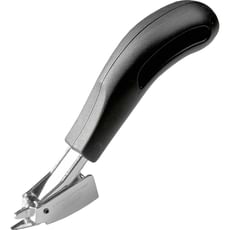
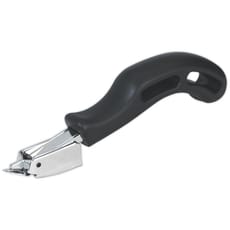

 Loading...
End of content
Error - No more pages to load
About Staple Removers
Staple removers are essential hand tools designed to safely and efficiently extract staples from a wide variety of materials including wood, upholstery, cardboard, and fabrics. Whether you're working on office refurbishment projects, furniture restoration, or packaging dismantling, having the right staple remover can save considerable time and prevent damage to underlying surfaces. These tools range from lightweight models suitable for standard office staples to heavy-duty versions capable of extracting large gauge industrial staples from construction materials.
The selection at Tooled-Up.com includes both standard and professional-grade staple removers from trusted brands such as Draper, Rapid, and Sealey. Modern staple removers feature ergonomic handles for comfortable extended use, hardened steel anvils for durability, and carefully designed jaws that grip staples securely whilst minimising surface damage. Heavy-duty models incorporate reinforced metal construction to tackle stubborn or deeply embedded staples commonly encountered in upholstery work, carpet fitting, and pallet dismantling.
Professional staple removers differ significantly from basic office models in their construction quality and capability. They're built to withstand daily workshop use, with robust mechanisms that won't bend or break when dealing with rusted, painted-over, or heavy gauge staples. Many feature a dual-jaw design that allows for different removal techniques depending on staple size and accessibility.
Jargon Buster
- Anvil
- The flat metal head of the staple remover that slides under the staple crown. Heavy-duty models feature hardened steel anvils for increased durability and better leverage.
- Crown
- The top horizontal section of a staple that sits visible on the material surface. The staple remover grips beneath this crown to extract the entire fastener.
- Gauge
- Refers to the thickness and strength of the staple wire. Heavy gauge staples require more robust removal tools with greater leverage and stronger construction.
- Jaws
- The gripping components of the staple remover that clamp onto the staple for extraction. Professional models feature hardened or serrated jaws for improved grip.
- Ergonomic Handle
- A contoured grip designed to reduce hand fatigue during extended use, particularly important for professionals removing numerous staples throughout the day.
- Dual-Function Design
- Some staple removers incorporate two different head configurations for tackling various staple sizes and types within a single tool.
Who Uses Staple Removers?
Staple removers are utilised across numerous trades and industries:
- Upholsterers and Furniture Restorers – removing old staples from furniture frames during reupholstery projects
- Carpet Fitters – extracting staples from underlay and gripper rods when replacing floor coverings
- Shopfitters and Retail Installers – dismantling temporary fixtures and promotional displays
- Office Facility Managers – removing notice board materials and updating workplace displays
- Removal and Relocation Specialists – disassembling packing materials and protective wrapping
- Carpenters and Joiners – removing temporary fixings and correcting mistakes during fabrication
- Vehicle Trimmers – extracting staples from automotive upholstery and headlinings
- Warehouse Staff – breaking down pallets and packaging materials for disposal or recycling
- DIY Enthusiasts – tackling home improvement projects involving upholstered items or soft furnishings
How to Choose the Right Staple Removers
Selecting the appropriate staple remover depends on several practical considerations:
Staple Size and Gauge: Consider the types of staples you'll typically encounter. Office and craft work requires only basic removers, whilst construction, upholstery, and industrial applications demand heavy-duty tools capable of extracting large gauge staples. Tooled-Up stocks models specifically designed for heavy-duty applications where standard removers would bend or fail.
Build Quality: Professional-grade staple removers feature all-metal or metal-reinforced construction with hardened steel working surfaces. Cheaper models with plastic components may suffice for occasional use but won't withstand the rigours of daily professional applications.
Handle Design: Ergonomic handles reduce hand fatigue during extended use. Look for contoured grips with comfortable materials that provide good purchase even when wearing work gloves. Longer handles offer increased leverage for stubborn or deeply embedded staples.
Anvil Design: A thin, hardened anvil slides more easily beneath staple crowns without damaging surrounding material. Check that the anvil width suits your typical applications – narrower for delicate work, wider for industrial use.
Versatility: Some models incorporate dual-function designs with different head configurations for various staple types. This versatility proves valuable for tradespeople working across different applications throughout the day.
Brand Reputation: Established brands like Draper, Rapid, and Sealey provide reliable performance and durability backed by proper warranties and customer support.
Popular Accessories
Complement your staple remover with these related products:
- Heavy-Duty Staplers – manual and pneumatic models for installing new staples after removal work
- Staples in Various Gauges – replacement fasteners in appropriate sizes for your applications
- Pliers and Side Cutters – for gripping and cutting stubborn or broken staples
- Work Gloves – protective handwear to prevent injuries from sharp staple ends
- Tack Lifters and Pry Bars – complementary removal tools for nails and tacks
- Tool Belts and Pouches – convenient storage for keeping your staple remover accessible on site
- Safety Glasses – eye protection when removing staples from overhead positions
- Magnetic Trays – for collecting removed staples and preventing injury from discarded fasteners
Safety Information
Whilst staple removers are relatively simple tools, observe these safety practices:
Always wear appropriate eye protection when removing staples, particularly from overhead positions where extracted fasteners may fall. Staples under tension can spring free unexpectedly during removal, potentially causing eye injuries.
Wear suitable work gloves to protect hands from sharp staple ends, especially when working with heavy gauge industrial staples or rusted fasteners. Ensure gloves don't compromise your grip on the tool handle.
Dispose of removed staples safely in designated containers rather than allowing them to accumulate on the floor where they present puncture hazards to yourself and others. Magnetic trays or dedicated waste containers help maintain a safe working environment.
Apply controlled, steady pressure when extracting staples rather than jerking or forcing the tool, which may cause the remover to slip and potentially injure your hand or damage the work surface. Position yourself to avoid injury should the tool slip during use.
Inspect staple removers regularly for damage including bent anvils, cracked handles, or worn jaws. Damaged tools work less effectively and may fail unexpectedly during use, potentially causing injury.
Frequently Asked Questions
What's the difference between a standard and heavy-duty staple remover?
Heavy-duty staple removers feature reinforced all-metal construction, hardened steel anvils, and longer handles for increased leverage. They're designed to extract large gauge industrial staples from tough materials like hardwood and chipboard, whilst standard models suit only office-weight staples in paper and light cardboard.
Can I use a staple remover on upholstery without damaging the fabric?
Yes, when used correctly. Slide the thin anvil carefully beneath the staple crown, working parallel to the fabric surface. Apply steady upward pressure to extract the staple cleanly. Quality staple removers from brands like Rapid and Draper feature thin, polished anvils specifically designed to minimise fabric damage during removal.
How do I remove rusted or painted-over staples?
Rusted or painted staples require a heavy-duty remover with a sharp, hardened anvil capable of breaking through surface corrosion. You may need to use a wire brush or scraper to expose the staple crown first. Apply firm, controlled pressure and work the anvil gradually beneath the crown. Some particularly stubborn staples may require side cutters to snip the legs if extraction proves impossible.
Will a staple remover work on all staple sizes?
No single tool suits all applications. Standard staple removers handle office staples and light-duty fasteners, whilst heavy-duty models tackle construction and upholstery staples. Check the manufacturer's specifications for guidance on compatible staple sizes and gauges before purchasing.
How should I maintain my staple remover?
Keep the anvil clean and free from adhesive residue or debris that might prevent proper insertion beneath staple crowns. Wipe metal surfaces with a lightly oiled cloth to prevent rust, particularly if working in damp environments. Store in a dry location and inspect regularly for damage or wear to working surfaces.