
Staplers & Riveters

Pay in 3 interest-free payments on purchases from £20-£3000 with  . Learn more.


Loading...
End of content
Error - No more pages to load
About Staplers & Riveters
Staplers and riveters are essential fastening tools used across construction, upholstery, automotive repair, and general fabrication work. These tools provide quick, reliable methods for joining materials ranging from soft fabrics and thin woods to sheet metal and plastics. Whether securing insulation batts, fitting carpet underlay, attaching trim panels, or assembling metal ductwork, the right stapler or riveter makes fastening work faster and more professional.
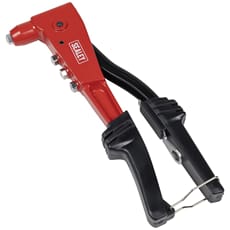
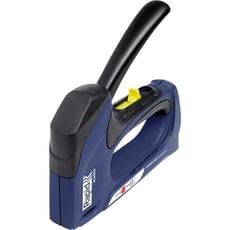
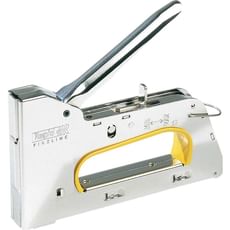
The category at Tooled-Up.com encompasses several distinct tool types, each designed for specific applications. Staplers and tackers drive staples into materials for secure attachment, with options ranging from lightweight manual models for occasional use to pneumatic and cordless versions for high-volume professional work. Riveting tools create permanent mechanical joints by deforming metal rivets, ideal for structural connections where screws or staples won't suffice. Hammer tackers offer one-handed operation for rapid stapling in roofing and insulation work, whilst staple removers provide the means to dismantle stapled assemblies without damaging underlying materials.
Modern staplers and riveters have evolved significantly from basic hand-operated designs. Today's professional tools incorporate features like adjustable depth settings, quick-release mechanisms, anti-jam technology, and ergonomic grips that reduce hand fatigue during extended use. Cordless electric models powered by lithium-ion batteries deliver consistent driving force without the constraints of air hoses or mains power, whilst traditional pneumatic versions remain popular on sites with established compressed air systems. The Tooled-Up range includes tools from trusted manufacturers like Stanley, DeWalt, Makita, and Milwaukee, ensuring tradespeople have access to reliable equipment backed by comprehensive warranties and readily available consumables.
Jargon Buster
- Crown Width: The measurement across the top of a staple, determining the holding area. Narrow crown staples (6mm or less) leave smaller visible marks, whilst wide crown versions (10mm+) provide greater holding power for heavy materials.
- Gauge: The thickness of the wire used to form staples or the shaft diameter of rivets. Lower gauge numbers indicate thicker, stronger fasteners capable of securing heavier materials.
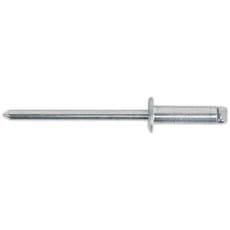
- Blind Rivet: Also called pop rivets, these fasteners can be installed from one side of the workpiece, making them ideal when access to the rear surface is restricted or impossible.
- Pneumatic: Tools powered by compressed air, typically operating at 5-8 bar pressure. These deliver consistent power for high-volume work but require an air compressor and hose.
- Brad Nailer Function: Many advanced staplers can also fire small headless pins (brads) for decorative trim work where minimal surface marking is required.
- Sequential vs Contact Firing: Sequential mode requires the trigger to be pulled for each fastener, offering precision. Contact firing allows rapid fastening by holding the trigger whilst repeatedly pressing the nose against the workpiece.
Who Uses Staplers & Riveters?
- Carpenters and joiners – securing backing boards, attaching insulation, fixing upholstery bases, and installing decorative trim
- Roofers – fastening felt, breathable membranes, and insulation materials using hammer tackers
- Upholsterers – attaching fabric and webbing to furniture frames with fine wire staples
- Electricians – securing cables and conduits with cable staples and clips
- Automotive technicians – riveting body panels, attaching trim components, and joining sheet metal assemblies
- Shopfitters and exhibition builders – rapid assembly of display units, signage backing, and temporary structures
- HVAC engineers – joining ductwork sections and securing insulation with specialised riveting tools
- Flooring specialists – fixing underlay and securing carpet gripper strips
- DIY enthusiasts – general repairs, craft projects, and home improvement tasks
How to Choose the Right Staplers & Riveters
Power Source: Manual tools suit light occasional use and locations without power access. Pneumatic models provide consistent power for production environments with compressed air available. Cordless electric staplers and riveters offer the best balance of portability and power for most tradespeople, eliminating air hoses whilst delivering reliable performance throughout the working day on modern lithium-ion batteries.
Fastener Compatibility: Check which staple sizes (leg length and crown width) or rivet diameters the tool accepts. Professional models typically accommodate a broader range of fastener sizes, providing versatility across different materials and applications. Consider whether you need compatibility with standard industry fastener sizes or proprietary consumables.
Material Application: Lighter materials like fabrics and thin plywood require different tools than heavy-duty applications such as sheet metal or structural timber. Match the tool's driving force and fastener capacity to your typical workload. Upholstery work demands fine wire staples that won't tear delicate fabrics, whilst roofing membranes need aggressive staples with substantial holding power.
Ergonomics and Weight: For extended use, tool weight and grip design significantly affect user fatigue. Rubberised grips, balanced weight distribution, and low-vibration designs reduce strain during repetitive fastening. Rear-loading magazines generally provide better balance than bottom-loading designs.
Professional Features: Adjustable depth control ensures fasteners sit flush or countersunk as required. Tool-free jam clearing saves time on site, whilst belt hooks and onboard fastener storage enhance productivity. Safety features like sequential firing modes and contact trip locks prevent accidental discharge.
Popular Accessories
- Replacement staples in various leg lengths (6mm to 40mm) and crown widths for different materials and applications
- Assorted rivet packs containing multiple diameters and grip ranges in aluminium, steel, and stainless steel
- Nose pieces and contact tips for different fastener types and working angles
- Battery packs and chargers for cordless models, ensuring continuous operation on demanding projects
- Air hoses and quick-release couplings for pneumatic tools, including inline oilers and pressure regulators
- Staple removers and extraction tools for dismantling previous work without surface damage
- Safety glasses to protect against flying debris and fastener fragments during operation
- Tool cases and storage solutions from Milwaukee PACKOUT, DeWalt TSTAK, and Makita MakPac systems
Safety Information
Staplers and riveters are classified as powered fastening tools under HSE guidance and must be operated with appropriate safety precautions. Always wear safety glasses when using these tools, as fasteners can ricochet or fragment, particularly when striking hard materials or existing fasteners. Keep fingers and body parts clear of the discharge area, and never disable safety mechanisms or contact trip features.
Ensure pneumatic tools are connected to properly regulated air supplies – excessive pressure can cause dangerous over-penetration or tool damage. When working with 240v electric staplers, inspect cables regularly for damage and use RCD protection on construction sites. Always disconnect the power source or air supply before clearing jams or performing maintenance.
Be aware of what lies beneath the surface before fastening. Striking concealed electrical cables, gas pipes, or structural elements can cause serious injury or property damage. Use cable detectors when working near services, and consult building plans where available. Wear appropriate PPE including gloves when handling sharp-edged sheet metal during riveting operations.
Frequently Asked Questions
What's the difference between a stapler and a tacker?
The terms are often used interchangeably, but tackers traditionally refer to heavy-duty stapling tools designed for construction materials like roofing felt, insulation, and carpets. Staplers generally describe lighter tools for office use, upholstery, or fine fastening work. Hammer tackers are a specific type operated with a swinging motion rather than a trigger.
Can I use any brand of staples in my stapler?
Whilst many staplers accept standard industry sizes (such as Type 140 or Type 53 staples), always check the manufacturer's specifications. Some professional tools use proprietary fastener systems optimised for that tool's mechanism. Using incorrect staples can cause jamming, poor fastening performance, or tool damage.
What size rivet should I use?
Rivet diameter should match the hole size (typically 3.2mm, 4mm, 4.8mm, or 6.4mm for common applications). The grip range – the maximum material thickness the rivet can secure – must equal or exceed your workpiece thickness. As a general rule, choose a grip range slightly longer than needed to ensure proper deformation and secure fastening.
Why do cordless staplers cost more than pneumatic models?
Cordless tools incorporate batteries, charging systems, and electronic controls that increase manufacturing costs. However, they eliminate the need for compressors, hoses, and associated maintenance, often proving more economical for mobile tradespeople. The convenience and productivity gains typically justify the initial investment for professionals working across multiple sites.
How do I prevent staples jamming in my tool?
Use good quality fasteners appropriate for your tool – cheap staples often have inconsistent dimensions that cause jams. Keep the magazine clean and free from debris, and don't overfill beyond the indicated capacity. Regular lubrication of pneumatic tools prevents internal corrosion that can impede fastener feeding. Store tools in dry conditions and inspect fastener strips for bent or damaged staples before loading.