

Steam Cleaners & Accessories

Pay in 3 interest-free payments on purchases from £20-£3000 with  . Learn more.
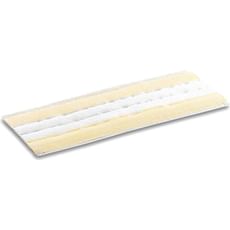
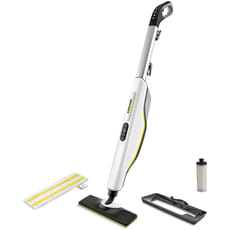
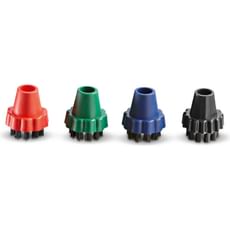
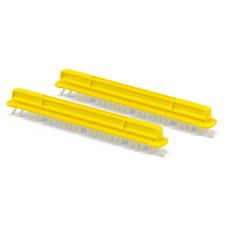
 Loading...
End of content
Error - No more pages to load
About Steam Cleaners & Accessories
Steam cleaners have revolutionised the way both professionals and domestic users approach cleaning tasks, offering a powerful, chemical-free solution that harnesses the natural cleaning power of high-temperature steam. These versatile machines use nothing more than water heated to temperatures exceeding 100°C to break down stubborn grease, grime, and dirt whilst simultaneously sanitising surfaces by eliminating up to 99.9% of harmful bacteria and pathogens. From compact steam mops designed specifically for hard floor cleaning to comprehensive multi-purpose systems with extensive accessory kits, steam cleaning technology provides an economical and environmentally responsible alternative to traditional chemical-based cleaning methods.
The steam cleaners and accessories category at Tooled-Up.com encompasses everything needed for effective steam cleaning applications across domestic, commercial, and industrial environments. Professional-grade steam cleaners are regularly employed by commercial kitchens, contract cleaning companies, facilities management teams, and healthcare environments where hygiene standards are paramount. The category includes not only the main steam cleaning units but also an extensive range of replacement parts and specialist attachments designed to tackle specific cleaning challenges, from narrow crevices to large surface areas.
Maintaining peak performance from steam cleaning equipment requires access to quality replacement components and task-specific accessories. Tooled-Up stocks replacement hoses, various nozzle configurations, specialist brushes for different surface types, microfibre cloths and pads, and wheeled trolleys for larger commercial units. These accessories extend the versatility and lifespan of steam cleaning equipment, ensuring operators can adapt their tools to meet evolving cleaning requirements whilst maintaining the high standards expected in professional environments.
Jargon Buster
- Bar Pressure: Measured in bars, this indicates the steam pressure the unit can generate. Higher bar ratings (typically 3-6 bar) produce more forceful steam capable of dislodging stubborn, baked-on deposits and reaching deeper into porous surfaces.
- Heat-Up Time: The duration required for the boiler to reach optimal operating temperature from cold. Professional models typically heat up in 3-10 minutes, whilst budget consumer units may require 15 minutes or longer.
- Tank Capacity: The volume of water the boiler reservoir can hold, directly affecting continuous operating time. Larger commercial units feature capacities of 1-2 litres or more, whilst compact steam mops typically hold 300-500ml.
- Continuous Refill: A feature found on premium steam cleaners allowing water to be added to a separate reservoir whilst the machine continues operating, eliminating downtime associated with cooling and refilling the pressurised boiler.
- Steam Flow Rate: Measured in grams per minute (g/min), this indicates the volume of steam produced. Higher flow rates (80-120g/min) provide more cleaning power for commercial applications, whilst lower rates suit delicate domestic tasks.
- Microfibre Cleaning Pads: Specially designed textile attachments that work in conjunction with steam to lift and trap dirt particles. These washable, reusable pads eliminate the need for disposable cleaning materials.
Who Uses Steam Cleaners & Accessories?
Steam cleaning equipment serves a diverse range of professional tradespeople and businesses:
- Professional contract cleaners and facilities management companies maintaining offices, schools, and public buildings
- Commercial kitchen staff and catering businesses requiring chemical-free sanitisation for food preparation areas
- Vehicle valeters and automotive detailers cleaning upholstery, dashboards, and engine bays
- Healthcare facilities and care homes where infection control and chemical-free cleaning are essential
- Property maintenance contractors and landlords preparing rental properties between tenancies
- Window cleaners offering comprehensive exterior and interior cleaning services
- Hospitality businesses including hotels, restaurants, and bed & breakfasts maintaining guest areas
- Retail premises managers responsible for shop floor presentation and hygiene
- Industrial cleaning specialists tackling heavy-duty degreasing in manufacturing environments
- Homeowners and DIY enthusiasts seeking effective, eco-friendly cleaning solutions for domestic applications
How to Choose the Right Steam Cleaners & Accessories
Selecting appropriate steam cleaning equipment depends on several key factors aligned with your specific cleaning requirements:
Application Type: Determine whether you need a dedicated floor steam mop for hard surfaces, a handheld unit for small-scale tasks, or a comprehensive cylinder system with multiple attachments for varied applications. Commercial users typically require robust, multi-purpose systems with extensive accessory ranges.
Power and Performance: Consider both wattage (typically 1200-2500W for 240v mains operation) and bar pressure rating. Higher specifications deliver superior cleaning performance but consume more electricity. Professional-grade units justify higher running costs through reduced cleaning times and improved results.
Tank Capacity and Operating Duration: Match tank size to job requirements. Large commercial premises benefit from 1.5-2 litre capacities providing 45-90 minutes continuous operation, whilst domestic applications manage adequately with smaller 300-500ml capacities requiring more frequent refills.
Attachment Compatibility: Verify that replacement parts and accessories are readily available from Tooled-Up or directly from manufacturers. Systems with comprehensive accessory ecosystems offer greater versatility and longevity through adaptability to different cleaning challenges.
Portability and Ergonomics: Evaluate weight, cable length (typically 5-8 metres), and manoeuvrability. Commercial users cleaning large areas benefit from wheeled trolleys, extended hoses, and lightweight wand assemblies reducing operator fatigue during prolonged use.
Build Quality and Warranty: Professional-grade steam cleaners feature robust construction with stainless steel boilers, reinforced hoses, and commercial-duty components designed to withstand daily use. Extended warranty periods indicate manufacturer confidence in product longevity.
Popular Accessories
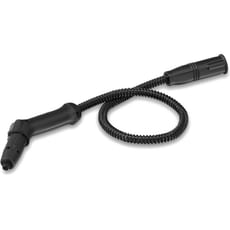
- Extension Hoses: Increase reach and flexibility, particularly valuable when cleaning vehicles, stairs, or high-level surfaces without repositioning the main unit
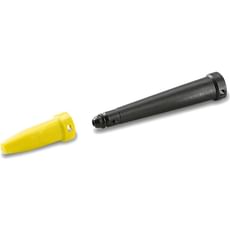
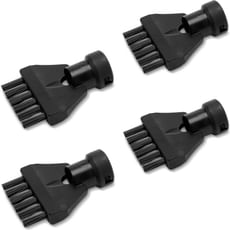
- Nozzle Sets: Including jet nozzles for concentrated cleaning power, angled nozzles for awkward spaces, and brass brushes for heavy-duty scrubbing
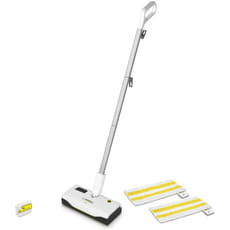
- Floor Cleaning Heads: Triangular and rectangular attachments with microfibre pads designed specifically for efficient hard floor cleaning
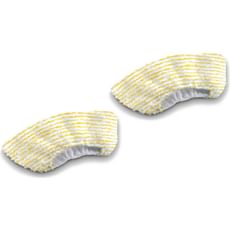
- Upholstery Tools: Wide fabric cleaning attachments with cloth covers for refreshing furniture, curtains, and vehicle interiors
- Window Squeegees: Combined steam delivery and rubber blade tools for streak-free glass and mirror cleaning
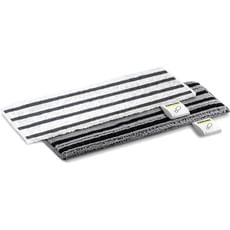
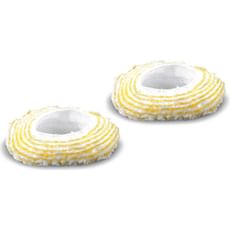
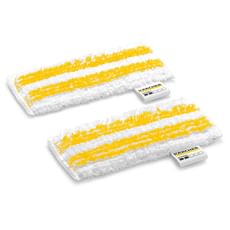
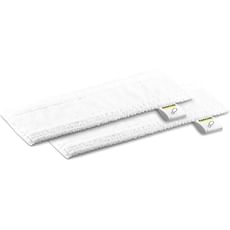
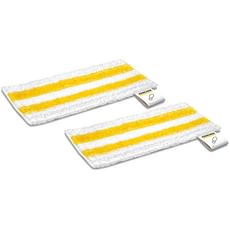
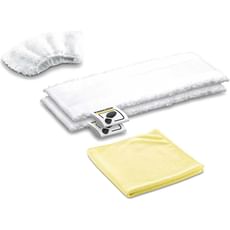
- Replacement Microfibre Cloths and Pads: Machine-washable textile accessories requiring periodic replacement to maintain cleaning effectiveness
- Descaling Products: Specialist treatments prolonging boiler life and maintaining steam output quality in hard water areas
- Extension Wands: Telescopic tubes providing additional reach for ceiling cleaning and high-level applications without ladders
- Wheeled Trolleys: Mobility accessories transforming heavy cylinder units into easily manoeuvrable cleaning stations
Safety Information
Steam cleaning equipment operates at extremely high temperatures and pressures, requiring careful handling to prevent injuries and ensure safe operation:
Electrical Safety: Always use steam cleaners with a residual current device (RCD) providing 30mA protection, as the combination of water, electricity, and 240v mains power presents electrocution risks. Regularly inspect power cables for damage, and never operate equipment with wet hands or in standing water. Ensure the unit is properly earthed through a standard UK 13A plug.
Burn Prevention: Steam emerging from nozzles reaches temperatures exceeding 100°C capable of causing severe burns instantly. Keep hands, face, and exposed skin away from steam outlets during operation and for several minutes after switching off whilst components cool. Never direct steam towards people, animals, or yourself. Always test steam flow direction before beginning work.
Pressure Safety: Never attempt to remove the boiler cap whilst the system is pressurised or still hot. Allow adequate cooling time (typically 15-20 minutes) and carefully release any residual pressure following manufacturer instructions. Failure to depressurise correctly can result in violent steam release and scalding.
Surface Compatibility: Not all materials tolerate high-temperature steam. Test inconspicuous areas before treating delicate surfaces including unsealed wood, certain plastics, painted surfaces, and antique furnishings. Excessive heat and moisture can cause warping, discolouration, or finish damage on inappropriate materials.
Confined Spaces: Ensure adequate ventilation when steam cleaning in bathrooms, small rooms, or enclosed spaces to prevent excessive humidity and condensation accumulation that could create slip hazards or damage moisture-sensitive fixtures.
Frequently Asked Questions
Can steam cleaners completely replace chemical cleaning products?
For most routine cleaning tasks, steam cleaners effectively eliminate the need for chemical detergents by using high-temperature steam to break down grease, dissolve dirt, and sanitise surfaces. However, certain specialised applications such as limescale removal, mould treatment in porous materials, or heavy industrial degreasing may still benefit from targeted chemical treatments used in conjunction with steam cleaning for optimal results.
How often should microfibre pads and cloths be replaced?
Quality microfibre accessories typically withstand 100-200 wash cycles before cleaning effectiveness diminishes noticeably. Professional users operating equipment daily should inspect pads weekly for wear, replacing them when fibres become matted, torn, or fail to absorb effectively. Domestic users generally replace pads annually or when visible deterioration occurs. Always maintain several spare pads to ensure continuous operation whilst laundering used items.
What maintenance does steam cleaning equipment require?
Regular descaling represents the most critical maintenance task, particularly in hard water areas where mineral deposits accumulate within boilers reducing efficiency and potentially causing component failure. Follow manufacturer recommendations for descaling frequency (typically monthly for professional use, quarterly for domestic applications). Additionally, clean or replace water filters, inspect hoses for cracks or wear, and ensure nozzles remain unblocked for optimal steam flow.
Are steam cleaners suitable for all floor types?
Steam cleaners work excellently on sealed hard floors including ceramic tiles, porcelain, sealed stone, vinyl, and laminate. However, exercise caution with unsealed wood, cork, waxed floors, and certain laminates where excessive heat and moisture penetration can cause swelling, warping, or finish damage. Always consult flooring manufacturer guidelines and test small, inconspicuous areas before treating entire floor surfaces. Carpets require specific carpet cleaning attachments rather than standard floor heads.
Can I use tap water in steam cleaners or is distilled water necessary?
Most domestic and professional steam cleaners operate adequately with ordinary tap water, though mineral content in hard water areas accelerates scale buildup requiring more frequent descaling. Using distilled or demineralised water extends maintenance intervals and prolongs boiler life, making it cost-effective for commercial operations with heavy usage. Some premium models incorporate built-in water filtration systems allowing tap water use without accelerated scaling concerns.