
Stencils

Pay in 3 interest-free payments on purchases from £20-£3000 with  . Learn more.
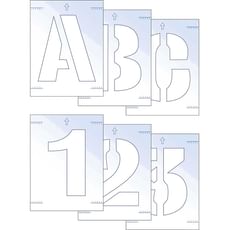
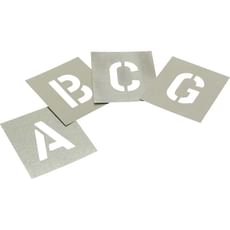
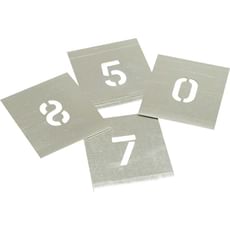
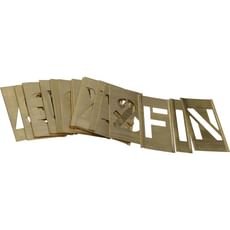
Loading...
End of content
Error - No more pages to load
About Stencils
Stencils are essential marking tools used across professional trades and industries for creating clear, consistent lettering and numbering on a wide variety of surfaces. From labelling equipment and materials to creating safety signage and identification marks on construction sites, quality stencils deliver repeatable, legible results that stand the test of time. Available in durable materials such as zinc, brass, and laser-cut polyester, professional stencils are designed to withstand regular use in demanding environments whilst maintaining accuracy and definition.
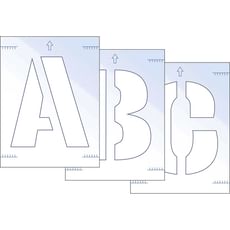
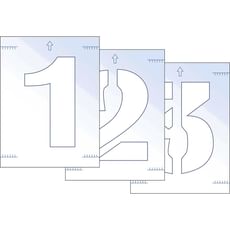
The range available at Tooled-Up.com includes both individual letter and number stencil sets, as well as comprehensive kits containing complete alphabets and numeric characters. Interlocking stencil designs allow for seamless spacing and alignment when creating longer words or sequences, whilst standalone sets offer flexibility for single-character marking applications. Materials range from robust zinc and brass for heavy-duty industrial use to lightweight polyester for frequent repositioning and cleaning. Many professional sets come supplied in protective wallets for organised storage and easy transportation between jobs.
Whether marking pipes and cables, creating inventory labels, producing temporary site signage, or identifying equipment and materials, stencils provide a cost-effective alternative to expensive labelling machines. Their reusable nature makes them an economical choice for tradespeople who require consistent marking solutions across multiple projects, whilst their durability ensures they remain a reliable tool in any professional toolkit for years of service.
Jargon Buster
- Laser-Cut Stencils: Stencils manufactured using precision laser cutting technology, which creates exceptionally clean edges and accurate character shapes for improved definition and professional-looking results.
- Interlocking Design: Stencil systems where individual character pieces fit together seamlessly, featuring matching edges that maintain consistent spacing and alignment when creating words or number sequences.
- Character Height: The measurement from the bottom to the top of letters and numbers on a stencil, typically standardised across a set to ensure uniform appearance. Common sizes include 25mm, 50mm, and 100mm heights.
- Spacer Marks: Reference points marked on stencil corners or edges that help users maintain consistent spacing between characters and ensure accurate alignment when positioning multiple stencils.
- Zinc Stencils: Heavy-duty stencils manufactured from zinc metal, offering excellent durability and resistance to paint solvents and cleaning chemicals, ideal for industrial and construction applications.
- Polyester Stencils: Lightweight, flexible stencils made from durable polyester material, easy to clean and reposition, suitable for frequent use with various marking media including paint and marker pens.
Who Uses Stencils?
Stencils are versatile marking tools used across numerous trades and industries:
- Electricians: Labelling cable runs, junction boxes, distribution boards, and electrical equipment for identification and compliance purposes
- Plumbers and Heating Engineers: Marking pipes, valves, and system components to indicate flow direction, contents, and pressure ratings
- Construction Workers: Creating temporary site signage, marking materials, and identifying equipment and storage areas on building sites
- Warehouse and Logistics Staff: Labelling storage bays, pallets, equipment, and creating clear inventory identification systems
- Facility Managers: Producing building signage, room numbers, and equipment identification labels for commercial and industrial premises
- Manufacturing Workers: Marking components, products, and machinery for quality control, traceability, and maintenance scheduling
- Maintenance Engineers: Labelling machinery, identifying spare parts, and creating clear maintenance schedules and warning notices
- DIY Enthusiasts: Home workshop organisation, garden projects, and creating personalised signage for various domestic applications
How to Choose the Right Stencils
Selecting appropriate stencils depends on several key factors related to your specific marking requirements:
Material Construction: Consider where and how frequently you'll use the stencils. Zinc and brass stencils from brands like Stencils offer superior durability for heavy-duty industrial applications and resist damage from solvents and harsh chemicals. Polyester stencils, such as those in the Scan range at Tooled-Up, provide lightweight flexibility ideal for frequent repositioning and are easily cleaned for repeated use with different marking media.
Character Size and Style: Determine the appropriate character height based on viewing distance and application. Smaller 25-50mm stencils suit close-range identification tasks like equipment labels, whilst 75-100mm characters ensure visibility for signage and markings viewed from greater distances. Consider whether you need complete alphabet and number sets or just numeric characters for applications like sequential numbering.
Interlocking vs Individual Design: Interlocking stencils connect together for seamless word formation with consistent spacing, ideal for creating multi-character text and longer labels. Individual stencil sets offer greater flexibility for single-character marking and applications where characters appear separately rather than in continuous text.
Storage and Portability: Sets supplied in protective wallets or cases keep characters organised and prevent damage during transportation between jobs. This proves particularly valuable for mobile tradespeople who need reliable marking tools readily available in their van or toolkit.
Application Method: Consider what marking media you'll use with the stencils—spray paint, brush-on paint, marker pens, or chalks. Ensure your chosen stencil material is compatible with your preferred marking method and that character designs provide sufficient detail for your application.
Popular Accessories
- Spray Paint: Quick-drying aerosol paints in various colours for stencil application on metal, wood, concrete, and other surfaces
- Paint Brushes and Sponges: Application tools for controlled paint application when using stencils on sensitive or detailed surfaces
- Industrial Marker Pens: Permanent markers in various colours and tip sizes for use with stencils on smooth surfaces
- Masking Tape: Essential for securing stencils in position during marking to prevent movement and ensure clean, sharp results
- Cleaning Solvents: Paint thinners and cleaning agents for maintaining stencils and removing paint residue between applications
- Protective Gloves: Chemical-resistant gloves for safe handling of paints, solvents, and cleaning products during stencil work
- Spirit Levels: Ensuring stencils are positioned accurately horizontal or vertical for professional-looking results
- Measuring Tapes: For precise positioning and spacing when creating multiple markings or aligned text sequences
Frequently Asked Questions
What's the difference between zinc, brass, and polyester stencils?
Zinc and brass stencils are metal constructions offering maximum durability for heavy industrial use, with excellent resistance to solvents and physical damage. They're ideal for high-volume marking applications and environments where stencils may encounter rough handling. Polyester stencils are lightweight, flexible, and easily cleaned, making them perfect for frequent repositioning and applications requiring portability. Polyester also resists tearing and maintains accuracy through repeated use, though it may be more susceptible to damage from aggressive solvents compared to metal alternatives.
Can I use the same stencils with different types of paint?
Most professional stencils work with various marking media including spray paints, brush-on paints, and marker pens. However, ensure you clean stencils thoroughly between different paint types and colours to prevent contamination. Polyester stencils are particularly easy to clean and reuse, whilst metal stencils resist damage from paint solvents and cleaning chemicals. Always allow adequate drying time and use appropriate cleaning methods for the specific paint type you've applied.
How do I achieve clean, sharp edges when using stencils?
Secure the stencil firmly against the marking surface using masking tape or by holding it steady to prevent movement during application. When using spray paint, apply thin, even coats from a consistent distance rather than one heavy application, which can cause paint to bleed under the stencil edges. With brush application, use a dabbing motion rather than sweeping strokes, and don't overload the brush with paint. Remove the stencil whilst paint is still slightly wet to avoid pulling dried paint away from the surface.
What size stencils should I choose for different applications?
Character size depends primarily on viewing distance and available space. For equipment labels and close-range identification viewed within 1-2 metres, 25-50mm character heights provide clear legibility. Signage and markings viewed from 3-5 metres benefit from 75-100mm characters, whilst larger distances require proportionally bigger stencils. Consider the surface area available and whether you're marking single characters, short codes, or longer text sequences when selecting appropriate sizes.
How should I store and maintain my stencils?
Clean stencils immediately after use with appropriate solvents or cleaning agents for the paint type applied, ensuring all residue is removed before storage. Store stencils flat in protective wallets or cases to prevent warping and damage to character edges. Keep metal stencils in dry conditions to prevent corrosion, and avoid exposing polyester stencils to extreme temperatures which may cause distortion. Regularly inspect stencils for damage or wear to character edges, as degraded edges will compromise marking quality and definition.