

Step Stools
Pay in 3 interest-free payments on purchases from £30-2000 with  . Learn more.
 Loading...
End of content
Error - No more pages to load
About Step Stools
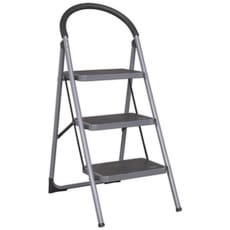
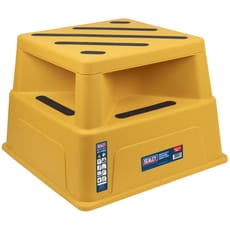
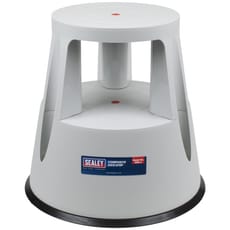
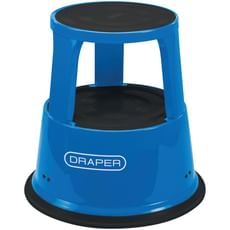
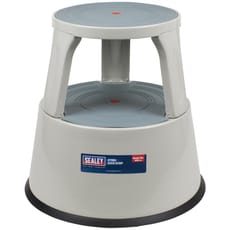
Step stools are essential access equipment designed to provide safe, stable elevation for reaching high shelves, working on vehicles, or accessing elevated areas in workshops, warehouses, and homes. Unlike full-height ladders, step stools offer a compact, portable solution for tasks requiring an extra lift of typically one to three steps. The range at Tooled-Up.com includes kick step stools, folding step stools, heavy-duty safety step stools, and specialised vehicle access steps from trusted brands including Sealey and Draper.
Modern step stools combine robust construction with practical features such as anti-slip treads, spring-loaded mechanisms, and folding designs for convenient storage. Professional-grade models often feature castor wheels for mobility, powder-coated steel frames for durability, and load capacities ranging from 100kg to 150kg. Whether you're working in a garage, warehouse, retail environment, or domestic setting, the right step stool provides quick access to elevated areas whilst maintaining stability and safety.
Step stools are particularly valued in environments where frequent access to different heights is required throughout the day. Kick step stools with spring suspension systems allow users to simply apply weight for instant deployment, whilst folding models can be stored flat against walls or in van racking when not in use. Many professional models comply with GS and TÜV approval standards, ensuring they meet stringent European safety requirements for workplace use.
Jargon Buster
- Kick Step Stool: A mobile step stool mounted on castor wheels with a spring-loaded mechanism that deploys the step platform when weight is applied and retracts when not in use, allowing easy movement around workshops.
- Load Capacity: The maximum safe working weight the step stool can support, typically ranging from 100kg to 150kg for professional models. This includes the user's body weight plus any tools or materials being carried.
- Working at Height Regulations 2005: UK legislation that requires employers and the self-employed to properly plan work at height, use appropriate equipment, and ensure workers are competent. Even modest elevations require suitable access equipment.
- GS/TÜV Approval: Certification marks indicating the product has been independently tested and approved by German safety standards organisations, widely recognised across Europe as rigorous quality benchmarks.
- Anti-Slip Treads: Textured or ribbed surfaces on step platforms designed to provide secure footing and prevent slips, particularly important when working with wet or oily footwear.
- Spring Suspension: A mechanism found in kick step stools that keeps the step platform elevated until weight is applied, then locks it firmly on the ground for stability during use.
Who Uses Step Stools?
- Vehicle Mechanics and Technicians: For accessing engine bays of vans, 4x4s, and commercial vehicles during servicing and repairs
- Warehouse and Logistics Workers: Reaching stock on mid-level shelving and performing inventory checks
- Retail Staff: Accessing high shelving, changing displays, and stock replenishment in shops and supermarkets
- Electricians and Sparkies: Working on lighting installations, cable routing, and ceiling-mounted equipment
- Facilities Maintenance Teams: Routine maintenance tasks including changing bulbs, accessing plant equipment, and inspection work
- Office Managers: Accessing filing systems, storage areas, and maintaining workplace facilities
- Kitchen and Catering Staff: Reaching high storage shelves and equipment in commercial kitchens
- Library and Archive Workers: Accessing high shelving in storage and public areas
- DIY Enthusiasts and Homeowners: Decorating, maintenance, and general household tasks requiring modest elevation
- Caravan and Motorhome Owners: Accessing roof racks, cleaning, and maintenance of elevated areas
How to Choose the Right Step Stools
Load Capacity and Duty Rating: Ensure the step stool's maximum load capacity exceeds your body weight plus any tools or materials you'll carry. Professional tradespeople should opt for heavy-duty models rated to 150kg, whilst lighter domestic models may suffice for occasional home use. Always check the manufacturer's specifications and never exceed stated limits.
Type and Mobility Requirements: Consider whether you need a static folding step stool or a mobile kick step version. Kick step stools with castor wheels are ideal for workshop and garage environments where you frequently move between workstations. Folding step stools work well where portability and compact storage are priorities, such as in vans or small workshops.
Platform Height and Number of Steps: Match the platform height to your typical working requirements. Single-step platforms typically provide 200-300mm elevation, whilst two-step models offer 400-500mm reach. Consider the Working at Height Regulations 2005 guidance when selecting equipment for workplace use, as certain heights may require additional safety measures.
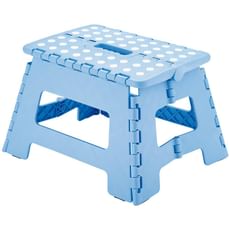
Construction Materials and Durability: Steel-framed step stools offer superior strength and longevity for professional environments, particularly when powder-coated for corrosion resistance. Plastic folding models provide lightweight portability for lighter-duty applications. Tooled-Up stocks both construction types from manufacturers like Sealey and Draper, each suited to different usage patterns.
Safety Features: Look for anti-slip treads on platforms, rubber feet for stability, and handrails on taller models. Spring suspension systems on kick step stools should lock firmly when weight is applied. GS and TÜV approval marks indicate independent safety testing to European standards.
Storage and Portability: If space is limited, folding step stools that store flat are essential. Consider the folded dimensions if storing in van racking or workshop cabinets. Weight is also important if you regularly transport the step stool between sites or carry it up stairs.
Popular Accessories
- Anti-Slip Mats: Additional rubber or foam mats to enhance grip on smooth workshop floors
- Tool Trays: Attachable trays for keeping fasteners, tools, and small components at hand whilst working at height
- Replacement Castors: Spare wheels for kick step stools to maintain smooth mobility
- Storage Hooks and Wall Brackets: For hanging folding step stools when not in use, keeping workshop floors clear
- Step Stool Covers: Protective covers for outdoor storage or transport in vans
- Work Platforms and Trestles: Complementary access equipment for larger-scale projects requiring greater reach
- Safety Harnesses and Lanyards: For use with taller access equipment when working at greater heights
- High-Visibility Markers: Reflective tape or markings for step stools used in busy warehouses or roadside environments
Safety Information
Always inspect your step stool before use, checking for damage to frames, platforms, or moving parts. Ensure all castor wheels or rubber feet are secure and that spring mechanisms function correctly on kick step models. Position step stools on firm, level surfaces and never use them on uneven ground or slopes where stability may be compromised.
Follow the Working at Height Regulations 2005 guidelines, which require proper planning of work at height and use of appropriate equipment. Never overreach whilst on a step stool – move the equipment rather than stretching beyond your safe centre of gravity. Maintain three points of contact where possible and avoid carrying heavy or awkward loads whilst climbing.
Only one person should use a step stool at any time, and users should face the equipment when ascending or descending. Ensure adequate lighting in the work area and be aware of overhead hazards such as lighting fixtures or pipework. For commercial environments, employers should provide appropriate training and ensure step stools are regularly inspected and maintained according to manufacturer recommendations.
Never use damaged or modified step stools. If any component shows signs of wear, bending, or cracking, remove the equipment from service immediately. Keep step platforms clean and free from oil, grease, or debris that could cause slips. When using kick step stools, ensure the platform is fully deployed and locked before applying your full weight.
Frequently Asked Questions
What's the difference between a kick step stool and a folding step stool?
A kick step stool features castor wheels and a spring-loaded mechanism that deploys the step when you apply weight, making it ideal for mobile workshop use where you frequently move between locations. A folding step stool is a static unit that folds flat for storage and is typically lighter and more portable, suited to situations where you carry the equipment to different sites or store it in vehicles.
What load capacity do I need for professional use?
For professional tradespeople, choose step stools with a minimum load capacity of 150kg to accommodate your body weight plus tools, equipment, and materials you may be carrying. This provides a safety margin and ensures compliance with workplace health and safety requirements. Lighter domestic models rated to 100kg may be suitable for occasional home use by individuals without additional load.
Are step stools suitable for working on 4x4s and commercial vehicles?
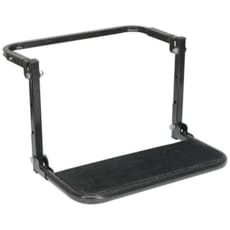
Yes, specialist folding wheel step stools are designed specifically for accessing the elevated engine bays and cargo areas of 4x4s, vans, and pickup trucks. These typically feature robust construction, higher load capacities, and wider platforms for stability when working on vehicles. Standard workshop kick step stools can also be effective depending on the vehicle height and access requirements.
Do step stools require regular inspection or maintenance?
Yes, particularly in commercial environments, step stools should be inspected regularly for signs of damage, wear, or deterioration. Check welds and joints on steel frames, ensure castor wheels rotate freely, verify spring mechanisms function correctly, and confirm anti-slip treads remain effective. Clean platforms regularly to prevent build-up of oils or debris, and store equipment properly when not in use to prevent damage.
Can I use a step stool instead of a full-size ladder?
Step stools are designed for tasks requiring modest elevation, typically up to 500mm platform height. They're ideal for quick-access situations in workshops, warehouses, and retail environments. For greater heights or extended working periods at elevation, proper ladders, platforms, or scaffolding are more appropriate. Always assess the task requirements and follow Working at Height Regulations 2005 guidance when selecting access equipment.