

Stone Cutters
Pay in 3 interest-free payments on purchases from £30-2000 with  . Learn more.
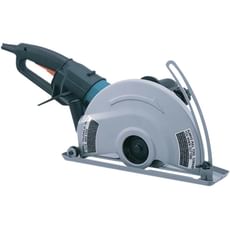
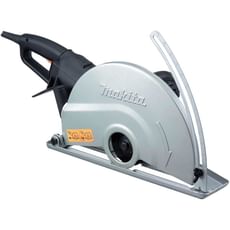
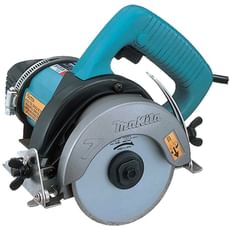
 Loading...
End of content
Error - No more pages to load
About Stone Cutters
Stone cutters are specialised power tools engineered to slice through concrete, brick, natural stone, and masonry materials with precision and efficiency. Unlike standard cutting tools that quickly blunt when used on hard materials, stone cutters utilise diamond-tipped or abrasive cutting discs rotating at high speeds to grind through the toughest substrates. Whether you're cutting paving slabs for landscaping projects, chasing walls for cable runs, trimming brickwork, or cutting expansion joints in concrete, a quality stone cutter delivers clean, accurate cuts whilst managing dust and vibration effectively.
Available in various configurations from compact 125mm handheld models to substantial 355mm floor-standing units, stone cutters are indispensable equipment for construction professionals and serious DIY enthusiasts. Modern stone cutters incorporate water-cooling systems that reduce hazardous dust, extend blade life, and prevent overheating during prolonged cutting operations. The range at Tooled-Up.com includes both portable handheld cutters for versatility on site and larger bench-mounted saws for workshop applications where precision and repeatability are paramount.
Leading manufacturers like Makita produce stone cutters engineered to withstand demanding construction site conditions whilst delivering consistent performance. Whether you're working with natural stone, concrete blocks, or fired clay products, selecting the appropriate disc diameter and motor power ensures you achieve professional results efficiently and safely. With proper technique and blade selection, these robust tools can tackle everything from delicate decorative stonework to heavy-duty concrete cutting.
Jargon Buster
- Diamond Blade
- A cutting disc with industrial diamonds bonded to the edge, specifically designed for cutting hard materials like concrete and stone. Diamond blades don't actually cut but grind through material, offering superior longevity compared to abrasive discs and producing cleaner cuts with less material chipping.
- Wet Cutting
- A cutting method that uses water to cool the blade and suppress dust during operation. Water-fed systems dramatically reduce airborne silica dust, extend blade life, and provide cleaner cuts with minimal edge damage. Essential for compliance with HSE regulations on construction sites.
- Cutting Depth
- The maximum thickness of material the stone cutter can slice through in a single pass, typically measured in millimetres. This is determined by the blade diameter and the design of the machine's guard and base plate. A 125mm cutter typically offers 40-45mm cutting depth.
- No-Load Speed (RPM)
- The rotational speed of the blade measured in revolutions per minute when the tool is running without cutting. Higher RPM generally provides smoother cuts but must be matched to the blade specification to prevent dangerous blade failure.
- Plunge Cut Capability
- The ability to start a cut in the middle of a material rather than from an edge, useful for creating openings or chases in walls. Not all stone cutters offer this feature, so check specifications if this functionality is required for your applications.
- Soft Start
- A motor control feature that gradually increases blade speed when starting, reducing kickback and protecting the motor from current surges. Particularly important on larger 305mm and 355mm models where sudden acceleration could be difficult to control.
Who Uses Stone Cutters?
Stone cutters are essential tools for a wide range of trades and applications:
- Bricklayers and Stonemasons – cutting bricks, blocks, and natural stone to precise dimensions for walls and structures
- Groundworkers and Landscapers – trimming paving slabs, kerb stones, and concrete edging for pathways and driveways
- Concrete Specialists – creating expansion joints, removing damaged sections, and cutting concrete slabs
- General Builders – chasing walls for pipework and cables, cutting lintels, and general masonry work
- Electricians and Plumbers – cutting chases in masonry walls for cable runs and pipe installations
- Demolition Contractors – controlled cutting and removal of concrete and masonry structures
- Tile and Stone Fixers – cutting large format tiles, natural stone, and porcelain pavers
- Renovation Specialists – creating openings in existing masonry walls for doors and windows
- DIY Enthusiasts – tackling ambitious home improvement projects involving hard landscaping or structural alterations
How to Choose the Right Stone Cutters
Disc Diameter: The blade size determines cutting capacity. A 125mm cutter suits lighter work and offers maximum portability, ideal for chasing walls or cutting smaller materials. Mid-range 305mm models balance power with manoeuvrability for general construction work, whilst 355mm stone saws provide maximum cutting depth for thick concrete and heavy-duty applications.
Motor Power: More powerful motors maintain blade speed under load and cut through dense materials more effectively. Consider the hardness and thickness of materials you'll typically encounter – harder stone and deeper cuts require more robust motors to prevent bogging down and premature wear.
Wet or Dry Cutting: Wet-cutting systems are essential for prolonged use and where dust control is critical, particularly when cutting materials containing silica. COSHH regulations require effective dust control measures when cutting masonry materials. Dry cutting may suffice for occasional light work in well-ventilated areas, but wet cutting significantly improves operator safety and blade longevity.
Portability Requirements: Handheld models offer flexibility for working at height or in confined spaces, whilst bench-mounted or wheeled floor saws provide stability and precision for repetitive cuts or workshop applications. Consider your typical working environment and whether you'll need to transport the tool between sites frequently.
Cutting Depth and Capacity: Check the maximum cutting depth specification matches your requirements. Some projects may require cuts deeper than a single pass allows, necessitating cutting from both sides of the material or selecting a larger capacity machine.
Build Quality and Durability: Professional-grade tools from established manufacturers featured at Tooled-Up feature robust construction, sealed bearings, and effective dust protection to withstand demanding site conditions. For trade use, investing in quality equipment reduces downtime and delivers better long-term value than budget alternatives.
Popular Accessories
- Diamond Cutting Blades – available in various specifications for different materials including concrete, stone, brick, and asphalt. Segmented blades for fast dry cutting, continuous rim for smooth wet cuts
- Water Bottles and Feed Systems – essential for wet cutting operations, providing consistent water flow to the blade for dust suppression and cooling
- Blade Flanges and Locking Nuts – replacement mounting hardware to securely fit blades of different specifications and ensure safe operation
- Depth Guides and Fences – attachments for achieving consistent, parallel cuts and controlled cutting depths for professional results
- Carrying Cases – protective storage for transporting your stone cutter between sites whilst keeping accessories organised and protected from damage
- Replacement Carbon Brushes – essential maintenance items for keeping motors running efficiently and extending tool lifespan
- Blade Dressing Stones – for cleaning and sharpening diamond blades to maintain cutting performance when they become glazed
Safety Information
Stone cutters are powerful tools that demand respect and proper safety precautions. Always wear appropriate personal protective equipment including safety glasses or a face shield, hearing protection, dust masks (minimum FFP3 rated when dry cutting), and sturdy work gloves. Steel toe-capped boots are essential when working with heavy materials that could drop during cutting operations.
Cutting masonry materials generates harmful silica dust. The Control of Substances Hazardous to Health (COSHH) regulations require adequate dust control measures. Where possible, use wet cutting methods to suppress dust at source. When dry cutting is unavoidable, ensure excellent ventilation and wear appropriate respiratory protection rated for fine particulates.
Ensure the workpiece is securely clamped or supported to prevent movement during cutting. Never hold small pieces by hand whilst cutting. Allow the blade to reach full speed before making contact with the material, and never force the tool – let the blade do the work at its own pace. Always disconnect from the 240v mains supply before changing blades or performing maintenance.
Check the blade specification matches your tool's requirements and the material being cut. Using incorrect blades or exceeding the maximum rated speed can cause catastrophic blade failure with serious consequences. Inspect blades regularly for damage, cracks, or excessive wear, and replace immediately if compromised. Never use a damaged or incorrect blade.
Frequently Asked Questions
What's the difference between a stone cutter and an angle grinder?
Whilst both tools can cut masonry, stone cutters are specifically designed for cutting operations with better guards, integrated water-cooling capabilities, and more stable bases for accurate straight cuts. Angle grinders are more versatile but less specialised, making them less suitable for prolonged or precise masonry cutting work. Stone cutters also typically offer greater cutting depth and better dust management systems for safer operation.
Can I use a stone cutter for cutting paving slabs?
Yes, stone cutters are ideal for cutting paving slabs, block paving, and concrete pavers. A 125mm or 305mm model with a suitable diamond blade will cut through most standard paving materials efficiently. Use wet cutting where possible to achieve cleaner edges and reduce dust, particularly important when cutting natural stone which can chip easily when dry cut.
Do I need a 240v supply or can stone cutters run on 110v?
Most stone cutters for trade use are available in both 240v (standard domestic supply) and 110v (site transformer) versions. On construction sites, 110v tools are often preferred for safety reasons and to comply with site regulations. Check the voltage specification when purchasing to ensure it matches your available power supply. Always use an RCD (residual current device) for additional electrical protection regardless of voltage.
How long do diamond blades last?
Blade life depends on the material being cut, cutting technique, and whether wet or dry cutting is used. A quality diamond blade might cut 20-40 square metres of concrete or 10-15 square metres of hard natural stone. Wet cutting significantly extends blade life by preventing overheating and reducing wear. Signs that a blade needs replacing include slower cutting, excessive vibration, visible segment damage, or uneven wear patterns.
What size stone cutter do I need for cutting brick walls?
For chasing brick or block walls for electrical or plumbing services, a 125mm handheld stone cutter provides sufficient cutting depth (typically 40-45mm) for most cable and pipe runs. For cutting through entire walls or creating openings for doors and windows, a 305mm or 355mm model offers greater cutting depth, though you may still need to cut from both sides for particularly thick walls. Consider the weight and manoeuvrability required for your specific application – handheld models are easier to use at height or in confined spaces.