

Stopcock Keys
Pay in 3 interest-free payments on purchases from £30-2000 with  . Learn more.
 Loading...
End of content
Error - No more pages to load
About Stopcock Keys
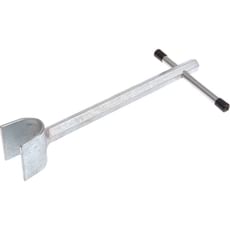
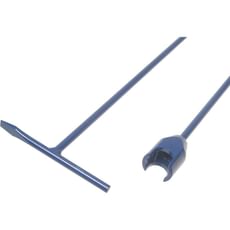
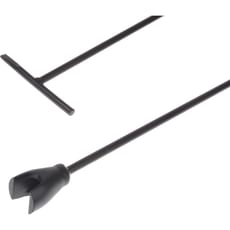
Stopcock keys are essential plumbing tools designed to turn water supply stopcocks on and off, particularly in hard-to-reach locations or where standard access is difficult. These specialist keys feature a crutch or T-shaped design that provides the leverage needed to operate stiff, seized, or awkwardly positioned stopcocks found under kitchen units, behind washing machines, in utility cupboards, or buried in outdoor ground boxes. The extended handle length allows tradespeople and homeowners to reach stopcocks without the need for crawling into tight spaces or contorting into uncomfortable positions.
Most stopcock keys feature a crutch pattern head that fits over the standard square spindle found on domestic stopcocks, with common sizes including 1/2 inch and 3/4 inch square fittings. Many designs incorporate a pointed end on the handle which serves a dual purpose – it can be used to lift stubborn drain covers or manhole lids to access underground stopcocks. The extended shaft length, typically ranging from around 300mm for compact versions up to over 1 metre for full-length models, provides the mechanical advantage needed to turn seized valves that haven't been operated for years.
Tooled-Up.com stocks stopcock keys from trusted brands including Monument and Faithfull, offering both mini crutch patterns for confined spaces and full-length versions for maximum reach and leverage. These durable tools are manufactured from steel or plated materials to resist corrosion when working in damp environments, making them reliable additions to any plumber's toolkit or household emergency kit.
Jargon Buster
- Stopcock: A valve used to control the flow of water through pipes, typically featuring a square spindle that requires a key or spanner to operate. The main stopcock controls water supply to an entire property.
- Crutch Pattern: The T-shaped or fork-shaped head design of a stopcock key that fits over the square spindle of the valve, providing a secure grip for turning.
- Square Spindle: The square-profiled shaft protruding from a stopcock valve, designed to be turned with a key or spanner. Common sizes are 1/2 inch and 3/4 inch square.
- Mini Crutch: A compact, shorter version of a stopcock key designed for confined spaces where a full-length key cannot be accommodated, such as under low kitchen units.
- Ground Box: An underground chamber or housing that contains stopcocks or valves for external water supply control, typically covered by a metal or plastic lid at ground level.
- Seized Valve: A stopcock that has become stuck or difficult to turn due to corrosion, mineral deposits, or lack of use over extended periods.
Who Uses Stopcock Keys?
- Plumbers and heating engineers – for daily maintenance, installation, and emergency repair work
- Property maintenance contractors – managing water systems in residential and commercial buildings
- Facilities managers – maintaining water supply control in schools, offices, and public buildings
- Landlords and letting agents – conducting property inspections and emergency repairs
- Water utility companies – accessing and operating external stopcocks and supply valves
- DIY enthusiasts and homeowners – for emergency water isolation when replacing taps, toilets, or appliances
- Building contractors – requiring water isolation during renovation and construction projects
- Emergency response teams – dealing with burst pipes and water damage incidents
How to Choose the Right Stopcock Keys
Length and Reach: Consider the typical locations where you need to access stopcocks. Full-length keys of around 1 metre or more provide maximum reach for outdoor ground boxes and deeply recessed valves, whilst mini crutch patterns are ideal for confined indoor spaces under sinks and kitchen units.
Head Design: Verify that the crutch pattern fits the square spindle sizes you'll encounter. Universal designs accommodate multiple sizes including 1/2 inch and 3/4 inch fittings, making them versatile options for professionals working on varied properties. The Tooled-Up range includes both standard and universal fitting patterns to suit different applications.
Build Quality and Material: Choose keys manufactured from durable steel with corrosion-resistant finishes, particularly if you'll be working with outdoor stopcocks or in damp environments. Quality construction ensures the key won't bend or break when applying force to seized valves.
Additional Features: Many stopcock keys incorporate pointed ends for lifting covers and drain lids, adding functionality without carrying extra tools. Consider whether this dual-purpose design would benefit your typical work scenarios.
Professional vs Occasional Use: Tradespeople requiring daily use should invest in robust, full-length professional models, whilst homeowners may find compact versions sufficient for occasional emergency use and periodic valve maintenance.
Popular Accessories
- Penetrating oil and lubricants – for freeing seized stopcocks before attempting to turn them
- PTFE tape – for resealing compression fittings after valve maintenance
- Adjustable spanners – for working on compression nuts and other plumbing fittings
- Plumber's grips and pipe wrenches – for additional leverage on stubborn fittings
- Head torches and inspection lights – for illuminating dark spaces under sinks and in cupboards
- Drain cover keys – dedicated tools for lifting heavy-duty covers over underground chambers
- Towels and absorbent mats – for managing water spillage when operating stopcocks
- Tool bags and storage solutions – for organising plumbing tools on site
Safety Information
Avoid Excessive Force: When operating a seized stopcock, apply steady, controlled pressure rather than sudden force. Excessive leverage can shear the valve spindle or crack the valve body, potentially causing flooding. If a stopcock won't turn, apply penetrating oil and allow time for it to work before attempting again.
Water Isolation: Be aware that turning off a stopcock may isolate water supply to critical systems including central heating boilers and combination boilers. Ensure you understand the consequences of water isolation before operating valves.
Working in Confined Spaces: When accessing stopcocks in tight spaces under sinks or in cupboards, ensure adequate lighting and be mindful of sharp edges, hot pipes, and electrical cables. Consider ventilation if working in poorly ventilated areas.
Underground Access: Exercise caution when lifting heavy drain covers and accessing ground boxes. Wear appropriate gloves to protect against sharp edges, and be aware of potential hazards including deep chambers, standing water, and underground utilities.
Frequently Asked Questions
What size stopcock key do I need for a domestic property?
Most domestic stopcocks in UK properties feature either 1/2 inch or 3/4 inch square spindles. A universal stopcock key that accommodates both sizes provides the most versatility for homeowners and professionals working across multiple properties. The crutch pattern design fits over the square spindle regardless of the valve manufacturer.
How do I turn a stopcock that hasn't been used in years?
Apply penetrating oil around the spindle and allow it to soak for at least 30 minutes, or overnight for severely seized valves. Use a stopcock key to apply steady, gentle pressure whilst turning – never force it suddenly as this can break the valve. Turn the valve back and forth slightly to help break the corrosion seal before attempting full rotation.
What's the difference between a mini crutch and full-length stopcock key?
Mini crutch keys typically measure 300-400mm in length and are designed for accessing stopcocks in confined indoor spaces such as under kitchen sinks where a full-length key cannot be manoeuvred. Full-length keys, often over 1 metre long, provide extended reach for outdoor ground boxes and deeply recessed valves, plus additional leverage for turning stiff stopcocks.
Can I use a stopcock key on outdoor taps and garden water supply valves?
Yes, stopcock keys are ideal for operating outdoor water supply valves, particularly those located in underground ground boxes. The extended length allows you to reach down into the chamber whilst the pointed end can be used to lift the cover. Many outdoor stopcocks become particularly stiff due to weather exposure, making the leverage provided by a proper key essential.
Should every household have a stopcock key?
Whilst not legally required, having a stopcock key available at Tooled-Up.com is highly recommended for every household as part of emergency preparedness. In the event of a burst pipe or major leak, being able to quickly isolate the water supply can prevent thousands of pounds in water damage. Many stopcocks are located in awkward positions where they cannot be operated by hand, making a key essential for emergency access.