

Storage & Rubble Sacks
Pay in 3 interest-free payments on purchases from £30-2000 with  . Learn more.

 Loading...
End of content
Error - No more pages to load
About Storage & Rubble Sacks
Storage and rubble sacks are essential worksite accessories for waste management, material handling and general storage across construction, renovation and landscaping projects. These heavy-duty bags are purpose-built to withstand the rigours of professional use, from collecting sharp demolition debris and bricks to transporting aggregates, soil and garden waste. Available in various materials and load capacities, rubble sacks range from woven polypropylene bags capable of holding up to a tonne of material, to reinforced plastic sacks designed specifically for sharp building waste and hardcore.
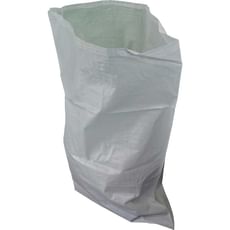
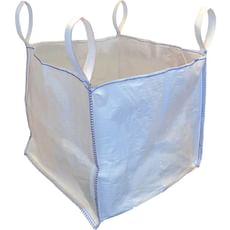
The range at Tooled-Up.com includes black rubble sacks for general construction waste, heavy-duty blue sacks for demanding applications, woven white bags for bulk material transport, and specialist one-tonne bulk bags for large-scale projects. Unlike standard refuse bags, professional rubble sacks feature reinforced construction, UV-resistant materials and tear-proof designs that prevent splitting when filled with sharp masonry, broken tiles or metal offcuts. Many woven bags incorporate lifting loops for mechanical handling with forklifts or telehandlers, making them indispensable for efficient site operations.
Beyond waste collection, these versatile sacks serve multiple purposes on site: storing aggregate materials, protecting equipment from weather and dust, organising materials by type for recycling, and even temporary water containment in groundworks. Quality rubble sacks represent a cost-effective investment that reduces the risk of bag failures, multiple handling and spillages that can compromise site safety and productivity.
Jargon Buster
- Load Capacity: The maximum weight a sack can safely hold, typically ranging from 20kg for standard rubble sacks to 1000kg (one tonne) for bulk woven bags. Always observe stated capacities to prevent tears and handling injuries.
- Woven Polypropylene: A durable synthetic fabric created by weaving polypropylene threads, offering exceptional strength-to-weight ratio and resistance to punctures. Commonly used in bulk bags and heavy-duty storage sacks.
- Gauge/Micron: The thickness measurement of plastic rubble sacks. Higher gauge numbers indicate thicker, more puncture-resistant material suitable for sharp debris like broken glass, metal and masonry.
- Lifting Loops: Reinforced fabric handles sewn into the corners of bulk bags, designed for mechanical lifting with forklifts, pallet jacks or crane hooks. Essential for safe handling of heavy loads.
- UV Stabilisation: Chemical treatment applied to sack materials to prevent degradation from sunlight exposure, crucial for bags stored outdoors or used on open construction sites over extended periods.
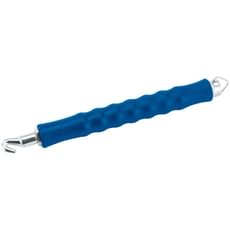
- Sack Tie Twister: A hand tool featuring a rotating hook designed for quickly and securely closing rubble sacks with wire ties, eliminating the need for manual twisting and reducing strain on hands during repetitive tasks.
Who Uses Storage & Rubble Sacks?
- Builders and General Contractors: For collecting demolition waste, broken bricks, concrete and mixed construction debris during renovation and new build projects
- Groundwork and Landscaping Professionals: Transporting soil, hardcore, sand and aggregate materials, as well as collecting green waste and vegetation clearance
- Roofing Contractors: Disposing of old tiles, slates, felt and battens during roof replacements and repairs
- Skip Hire and Waste Management Companies: Providing customers with bags for waste collection and organising materials for recycling compliance
- Plasterers and Drylining Specialists: Collecting plasterboard offcuts, packaging and mixing bucket waste
- Demolition Contractors: Managing high volumes of rubble, masonry and structural waste requiring heavy-duty containment
- Site Facilities Managers: Maintaining clean and organised construction sites with designated waste collection points
- DIY Enthusiasts and Homeowners: Tackling home renovation projects, garden clearances and general household waste disposal
- Agricultural and Farming Operations: Storing and transporting feed, produce, and organic materials in bulk woven bags
How to Choose the Right Storage & Rubble Sacks
Material Type: Select woven polypropylene for heavy loads and bulk materials requiring breathability, or heavy-gauge plastic for containing fine debris and dusty materials. Woven bags excel in strength and reusability, whilst plastic sacks offer better containment of small particles and moisture resistance.
Load Capacity Requirements: Match the bag capacity to your typical waste volumes and material density. Standard rubble sacks suit light to medium loads of general building waste, whilst one-tonne bulk bags are necessary for aggregates, soil and hardcore. Overfilling bags beyond their rated capacity creates handling hazards and increases the risk of catastrophic failure.
Material Being Collected: Sharp demolition waste like broken glass, metal and masonry requires heavy-duty or reinforced sacks with higher gauge thickness. Tooled-Up stocks blue heavy-duty rubble sacks specifically designed for these demanding applications, featuring enhanced puncture resistance compared to standard black sacks.
Handling Method: Consider how bags will be moved and emptied. Bulk bags with lifting loops are essential for mechanical handling with site machinery, whilst standard rubble sacks with sufficient top closure length allow for manual carrying or dragging short distances. Ensure lifting equipment is rated for the filled bag weight.
Quantity and Storage: Professional users typically purchase in bulk packs to reduce per-unit costs and ensure continuous availability on site. Check storage conditions – whilst woven bags resist UV degradation, plastic sacks should be stored away from direct sunlight and extreme temperatures to prevent brittleness.
Closure Method: Determine whether you need self-tie tops, separate wire ties, or open-top designs. A sack tie twister tool significantly speeds up the closing process when working with wire-tied bags, particularly valuable for high-volume waste collection operations.
Popular Accessories
- Sack Tie Twisters: Essential hand tools for quickly and efficiently securing rubble sacks with wire ties, featuring ergonomic grips and smooth-action spindles for repetitive use
- Heavy-Duty Gloves: Protective workwear for handling filled sacks and preventing cuts from sharp materials protruding through bag walls
- Sack Trucks and Trolleys: Manual handling equipment for transporting heavy filled bags across site without manual lifting
- Skip Bag Frames and Stands: Support structures that hold sacks open for easier filling and better workspace organisation
- Wire Ties and Baling Wire: Securing materials for bags without integral closure systems
- Hi-Vis Marking Paint: For labelling bags by waste type to ensure proper segregation for recycling compliance
- Site Waste Containers: Larger wheelie bins and site skips for complementing bag-based waste management strategies
Safety Information
Manual Handling: Always observe HSE guidelines for lifting and carrying. Filled rubble sacks can exceed 20kg easily – use proper lifting technique with bent knees and straight back, or deploy mechanical handling aids. Never drag bags over sharp edges that could cause sudden failure and injury.
Overfilling Risks: Exceeding stated load capacities dramatically increases the risk of bag failure during handling. An overfilled sack that splits whilst being carried can cause serious foot and leg injuries from falling debris, as well as creating slip and trip hazards from scattered materials.
Sharp Materials: When collecting broken glass, metal offcuts or sharp masonry, double-bag particularly hazardous loads or use heavy-duty rated sacks. Wear appropriate PPE including heavy-duty gloves and safety footwear with puncture-resistant midsoles.
Chemical and Contaminated Waste: Standard rubble sacks are not suitable for hazardous materials, chemicals or asbestos-containing waste. These require specialist containment and licensed disposal in accordance with COSHH regulations and Environmental Agency requirements.
Storage and Stacking: Store filled bags on level ground and avoid stacking excessively high, which can cause lower bags to split under pressure. Keep access routes clear and ensure bags don't obstruct fire exits or emergency access points on site.
Frequently Asked Questions
What's the difference between black and blue rubble sacks?
Blue rubble sacks typically indicate heavy-duty construction with thicker gauge material and enhanced puncture resistance, specifically designed for sharp demolition waste, broken masonry and metal offcuts. Black rubble sacks are standard-duty bags suitable for general building waste, packaging and lighter materials. Always check the stated gauge and load capacity rather than relying solely on colour coding.
Can woven bulk bags be reused?
Yes, one-tonne woven polypropylene bags are designed for multiple uses if they remain undamaged. Inspect lifting loops, seams and fabric carefully before reuse – any tears, UV degradation or weakened stitching means the bag should be retired. Clean bags of sharp debris before reuse and never exceed the original load rating. Most bulk bags achieve 5-10 uses with proper care.
How much building waste fits in a standard rubble sack?
Standard rubble sacks typically hold 20-30kg of building waste depending on material density. A full bag of lightweight plasterboard offcuts might weigh 15kg, whilst the same volume of broken bricks or concrete could exceed 30kg. Always consider material density rather than volume alone, and never overfill bags beyond their stated capacity regardless of available space.
Are rubble sacks accepted by waste collection services?
Most local authority waste collection services and skip hire companies accept rubble sacks for collection, but requirements vary by provider. Some specify only certain colours or sizes, whilst others require waste segregation by material type. Contact your waste contractor beforehand to confirm their requirements and any restrictions on contents or bag specifications.
Do I need special tools to close rubble sacks?
Whilst many rubble sacks can be tied manually, a sack tie twister dramatically speeds up the process and reduces hand strain when securing multiple bags with wire ties. These tools feature a rotating hook mechanism that twists wire ties quickly and securely – particularly valuable for professional users processing high volumes of waste daily. They represent a worthwhile investment for regular site work.