

Straight Grinders
Pay in 3 interest-free payments on purchases from £30-2000 with  . Learn more.
 Loading...
End of content
Error - No more pages to load
About Straight Grinders
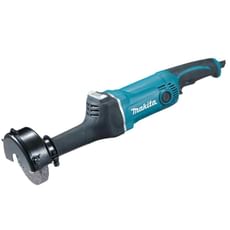
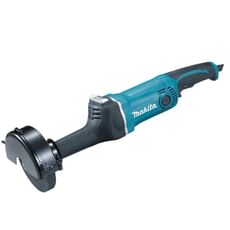
Straight grinders are specialised power tools engineered for precision grinding, deburring, and finishing work in confined spaces where standard angle grinders simply cannot reach. Featuring an elongated, cylindrical body with the motor and grinding wheel aligned in a straight configuration, these tools excel at detailed metalwork on welds, castings, fabrications, and intricate components. The inline design provides exceptional control and visibility of the grinding point, making straight grinders indispensable for accuracy-critical tasks in engineering workshops, fabrication shops, and automotive restoration projects.
Unlike their angled counterparts, straight grinders offer superior manoeuvrability in tight spots, allowing tradespeople to access recessed areas, internal surfaces, narrow channels, and along edges with remarkable ease. Available in wheel sizes of 125mm and 150mm, these robust tools deliver consistent performance for both heavy-duty industrial applications and detailed restoration work. Tooled-Up.com stocks professional-grade straight grinders from trusted manufacturers like Makita, featuring powerful 240v motors ranging from 750W to over 1,000W, ergonomic designs for extended use, and compatibility with a comprehensive variety of grinding wheels and mounted accessories.
Whether you're cleaning up welds, removing rust and paint, smoothing castings, performing die grinding work, or tackling intricate metalwork in confined spaces, a quality straight grinder provides the control, power, and access needed to achieve professional results efficiently. Their balanced weight distribution and inline configuration reduce operator fatigue during prolonged grinding sessions whilst maintaining the precision demanded by professional fabricators and engineers.
Jargon Buster
- Wheel Diameter: The size of the grinding wheel, measured in millimetres (typically 125mm or 150mm). Larger wheels cover more surface area and offer faster material removal, whilst smaller wheels provide greater precision and superior access in confined spaces.
- No-Load Speed (RPM): The rotational speed of the grinding wheel when the tool isn't under load, measured in revolutions per minute. Professional straight grinders typically operate between 5,000-7,000 RPM. Higher speeds generally mean faster material removal but require appropriately rated wheels for safety.
- Spindle Lock: A mechanism that locks the motor spindle in place, allowing quick and easy wheel changes without requiring additional spanners or tools. Essential for efficiency when switching between different grinding, cutting, or polishing accessories throughout the working day.
- Bore Diameter: The internal diameter of the grinding wheel's centre hole, measured in millimetres (commonly 20mm on professional models). Must match the grinder's spindle arbor for safe and secure wheel mounting.
- Continuous Rating: The maximum time period the tool can operate continuously without overheating, indicating its suitability for extended professional use versus lighter intermittent applications. Professional-grade models feature superior cooling and heat dissipation.
- Vibration Level: Measured in metres per second squared (m/sec²), this indicates the amount of vibration transmitted to the operator. Lower vibration levels reduce operator fatigue and comply with HSE guidelines for prolonged daily use.
Who Uses Straight Grinders?
Straight grinders are essential tools across numerous trades and industries:
- Metal Fabricators and Welders: For cleaning welds, removing slag, deburring sharp edges, and finishing fabricated components to professional standards in workshops and on-site
- Automotive Restoration Specialists: Precision grinding on classic car bodywork, chassis components, engine bay areas, and hard-to-reach internal surfaces
- Engineers and Fitters: Detailed metalwork in machinery maintenance, die grinding, mould preparation, and component finishing in engineering workshops
- Maintenance Engineers: Industrial plant maintenance, equipment repair, and on-site metalwork in manufacturing facilities and production environments
- Agricultural Engineers: Repairing farm machinery, fabricating custom brackets and fittings, and maintaining agricultural equipment in rural workshops
- Railway and Marine Engineers: Specialised grinding work on rolling stock, marine vessels, transport infrastructure, and shipyard fabrications
- Blacksmiths and Metal Artists: Detailed finishing work on decorative metalwork, sculptures, architectural features, and bespoke fabrications
- Serious DIY Enthusiasts: Home workshop projects involving metal fabrication, tool restoration, custom automotive work, and precision metalworking
How to Choose the Right Straight Grinders
Wheel Size: Determine whether a 125mm or 150mm model suits your typical applications. The 125mm grinders, such as the Makita GS5000, offer superior control, lighter weight (typically around 5kg), and excellent access in tight spaces, making them ideal for detailed fabrication work and precision grinding. The 150mm models like the Makita GS6000 provide faster material removal and are better suited to larger components and heavier grinding tasks on open surfaces.
Motor Power: Professional-grade models available at Tooled-Up feature motors ranging from 750W to 1,400W or more. Higher wattage delivers greater grinding performance and maintains speed under load, essential for continuous professional use. Consider your typical workload—occasional light grinding versus daily heavy-duty applications—when evaluating power requirements. The 750W models handle most workshop tasks admirably, whilst higher-powered versions excel in industrial environments.
Build Quality and Durability: Professional tradespeople should prioritise tools from established manufacturers like Makita, renowned for robust construction, reliable performance, and comprehensive UK after-sales support. Metal gear housings, quality bearings, effective dust sealing, and double insulation contribute significantly to tool longevity in demanding workshop environments where tools face daily use.
Ergonomics and Control: Extended grinding sessions demand comfortable handling. Look for models with well-positioned side handle mounting points, rubberised grips, and balanced weight distribution to reduce operator fatigue during prolonged use. Good visibility of the grinding point is crucial for precision work, particularly when working on intricate components or in poorly lit areas.
No-Load Speed: Match the tool's RPM to your typical applications. Models operating around 5,600 RPM suit general-purpose grinding and finishing work, whilst higher speeds benefit aggressive material removal. Always ensure grinding wheels and accessories are rated for the tool's maximum RPM for safety compliance.
Compatibility and Accessories: Ensure the grinder accepts standard wheel arbors and accessories readily available in the UK market. Check bore diameter (typically 20mm on professional models) and spindle specifications before purchasing specialist grinding wheels or mounted points to avoid compatibility issues.
Popular Accessories
- Grinding Wheels: Various grits and compositions for different metals and applications—aluminium oxide for general steel work, silicon carbide for non-ferrous metals like aluminium and brass
- Mounted Points: Small grinding stones in various shapes (cylindrical, conical, spherical, tree-shaped) for detailed work in recesses, internal surfaces, and contoured components
- Wire Brushes: Cup and end brushes for rust removal, paint stripping, weld cleaning, and surface preparation before welding, painting, or finishing operations
- Cut-Off Wheels: Thin cutting discs for precision cutting in restricted spaces where larger tools cannot reach, ideal for trimming bolts and cutting small metal sections
- Polishing Wheels and Compounds: For achieving smooth, polished finishes on metal surfaces after grinding operations, particularly on stainless steel and decorative metalwork
- Flap Wheels: Abrasive flap discs providing aggressive material removal with a smoother finish than standard grinding wheels, excellent for blending and finishing
- Side Handles: Additional auxiliary handles for improved control and versatility in different working positions, reducing fatigue during extended grinding sessions
- Collet Adapters: Allow use of different arbor sizes, expanding the range of compatible accessories and mounted points for increased versatility
Safety Information
Personal Protective Equipment (PPE): Always wear appropriate safety goggles or a full face shield to protect against flying debris, sparks, and grinding particles. Leather or heavy-duty gloves protect hands from heat, sharp edges, and rotating wheels, whilst hearing protection is essential during extended use. A dust mask or respirator prevents inhalation of metal particles, particularly when grinding galvanised steel, aluminium, stainless steel, or other materials producing harmful dust that may contain heavy metals or other hazardous substances.
Wheel Safety: Never exceed the maximum RPM rating marked on grinding wheels—using inappropriate wheels at excessive speeds can cause catastrophic failure resulting in serious injury. Inspect wheels for cracks, chips, or damage before fitting, and perform a brief test run at full speed whilst standing clear before commencing work. Ensure wheels are correctly mounted with appropriate flanges and securely tightened before use. Replace worn or damaged wheels immediately.
Electrical Safety: These 240v tools should be used with appropriate circuit protection via a correctly rated 13A plug and socket. On construction sites and outdoor locations, always use an RCD (Residual Current Device) for additional protection against electric shock. Check cables and plugs regularly for damage, fraying, or exposed conductors, and never use tools with compromised electrical components. Have faulty tools repaired by authorised service centres only.
HSE Guidance: Follow Health and Safety Executive guidelines regarding noise exposure limits (typically 85dB daily exposure requiring hearing protection) and dust control measures, particularly in professional workshop environments. Adequate ventilation or local exhaust ventilation (LEV) may be required when grinding certain materials to comply with COSHH regulations, especially when working with materials that produce respirable crystalline silica or metal fumes.
Secure Workpieces: Always clamp or secure materials being ground using a vice, clamps, or other appropriate work-holding equipment—never attempt to hold small pieces by hand. Maintain firm control of the tool with both hands where possible, and ensure stable footing before starting work. Be aware of sparks and hot grinding debris, keeping flammable materials, solvents, and combustible liquids well clear of the work area. Never wear loose clothing, jewellery, or leave long hair unsecured when operating rotating machinery.
Frequently Asked Questions
What's the difference between a straight grinder and an angle grinder?
Straight grinders feature an elongated body with the motor and grinding wheel aligned in a straight line, providing superior access to confined spaces, internal surfaces, narrow channels, and recessed areas. Angle grinders have the wheel mounted at 90 degrees to the motor body, offering more power and versatility for general grinding on open surfaces but with reduced manoeuvrability in tight spots. Straight grinders excel at precision detail work where visibility and access are paramount, whilst angle grinders are better for aggressive material removal on larger, accessible surfaces.
Can I use standard angle grinder discs on a straight grinder?
No—straight grinders use specifically designed wheels with appropriate bore diameters (typically 20mm), arbor fittings, and RPM ratings for their unique configuration and operating speeds. Always use wheels and accessories explicitly rated for straight grinders, checking the maximum RPM marked on the wheel matches or exceeds your tool's operating speed. Using incompatible wheels is extremely dangerous and can result in wheel disintegration and serious injury. Consult your tool's manual for approved accessory specifications.
What wheel size should I choose—125mm or 150mm?
The choice depends on your typical applications and working environment. A 125mm straight grinder offers better control, lighter weight (around 5kg), and superior access in confined spaces, making it ideal for detailed fabrication work, intricate components, and precision grinding in tight areas. A 150mm model removes material faster and is better suited to larger components and heavier grinding tasks where access isn't as restricted. For general workshop use covering varied applications, 125mm provides excellent versatility for most fabrication and engineering tasks.
Are straight grinders suitable for DIY users or only professionals?
Whilst straight grinders are primarily professional tools designed for demanding industrial and workshop environments, serious DIY enthusiasts with home workshops undertaking regular metal fabrication, automotive restoration, or custom metalworking projects will find them invaluable. However, occasional users with limited metalworking needs may find an angle grinder more versatile and cost-effective for general-purpose grinding. Consider the frequency and type of grinding work you'll undertake—if precision grinding in confined spaces features regularly, a straight grinder is a worthwhile investment.
How do I maintain a straight grinder for long service life?
Regular maintenance includes cleaning dust and metal debris from ventilation slots after each use to prevent motor overheating, checking carbon brushes periodically for wear (replace when worn to about 6mm length), and ensuring grinding wheels are stored properly in a dry environment to prevent moisture absorption which weakens wheels. Inspect power cables for damage, cuts, or abraded insulation regularly. Never force the tool—let the wheel do the work at its designed speed. Store in a dry environment and have the tool serviced by an authorised service centre if performance deteriorates, unusual noises develop, or sparking increases at the motor vents.