

Strap Cutters

Pay in 3 interest-free payments on purchases from £20-£3000 with  . Learn more.
 Loading...
End of content
Error - No more pages to load
About Strap Cutters
Strap cutters are specialised safety tools designed to quickly and safely cut through packaging strapping, plastic banding, shrink wrap, and cardboard boxes. These essential warehouse and logistics tools feature shielded or concealed blades that protect users from accidental cuts whilst efficiently slicing through tough packaging materials. Unlike standard utility knives, strap cutters are engineered specifically for breaking down palletised goods and opening packaged deliveries, making them indispensable in environments where speed and safety must go hand-in-hand.
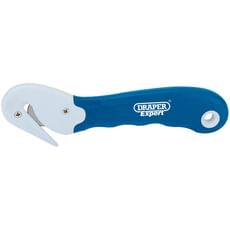
The design of a quality strap cutter typically incorporates an ergonomic soft-grip handle for comfortable extended use, combined with a blade guard that shields the cutting edge from contact with hands or other surfaces. This safety-focused construction makes them ideal for high-volume cutting tasks in warehouses, distribution centres, retail stockrooms, and on building sites where deliveries arrive secured with heavy-duty strapping. The recessed blade design allows users to hook under strapping bands and pull upwards to cut, keeping fingers well away from the sharp edge.
Tooled-Up.com stocks professional-grade strap cutters from trusted brands like Draper, ensuring tradespeople and warehouse operatives have access to reliable cutting tools that meet workplace safety standards. Most models feature replaceable blade systems, extending the tool's working life and providing consistent cutting performance across thousands of cuts.
Jargon Buster
- Shielded Blade
- A blade design where the cutting edge is recessed or protected within the tool body, preventing accidental contact with skin whilst still allowing effective cutting action against strapping materials.
- Strapping/Banding
- The plastic, polyester, or polypropylene bands used to secure goods to pallets or bundle packages together during transport and storage.
- Hook Design
- The characteristic curved or hooked cutting point that allows the blade to be slipped underneath strapping bands before cutting, keeping hands away from the cutting zone.
- Soft Grip Handle
- An ergonomically shaped handle covered in rubber or thermoplastic material that provides comfortable grip and reduces hand fatigue during repetitive cutting tasks.
- Replaceable Blade Cartridge
- A blade system that allows quick replacement of dulled cutting edges without tools, maintaining optimal cutting performance and extending the tool's service life.
Who Uses Strap Cutters?
Strap cutters are essential tools for a wide range of professionals and industries:
- Warehouse Operatives – breaking down palletised deliveries and processing stock
- Logistics and Distribution Staff – opening and repacking shipments in transit facilities
- Retail Stockroom Workers – unpacking deliveries and preparing goods for display
- Tradespeople and Site Workers – opening material deliveries on construction and installation sites
- Facilities Managers – general maintenance and supply management duties
- Factory and Manufacturing Staff – receiving raw materials and components
- Delivery Drivers – securing and releasing strapped loads during transport
- DIY Enthusiasts – safely opening packaging on large purchases and building materials
- Shop Fitters and Merchandisers – unpacking display units and promotional materials
How to Choose the Right Strap Cutters
Selecting the appropriate strap cutter depends on your specific cutting requirements and working environment. Consider the following factors when making your choice:
Blade Protection Level: Evaluate the degree of blade shielding required for your workplace. Fully recessed blades offer maximum safety for high-traffic environments, whilst partially exposed designs may provide faster cutting in controlled settings where experienced users operate the tools.
Handle Comfort and Grip: For high-volume cutting tasks, prioritise models with ergonomic soft-grip handles that reduce hand fatigue. The handle should fit comfortably in your hand and provide secure grip even when wearing work gloves.
Blade Replacement System: Check whether replacement blades are readily available at Tooled-Up and how easily they can be changed. Tool-free blade replacement systems save time and reduce downtime in busy operational environments.
Material Cutting Capacity: Ensure the cutter can handle the thickness and type of strapping you regularly encounter. Heavy-duty polypropylene and polyester strapping requires robust blade construction, whilst lighter packaging film needs less aggressive cutting edges.
Durability and Build Quality: Professional-grade cutters from established brands like Draper feature reinforced construction that withstands the rigours of daily industrial use, making them more cost-effective than cheaper alternatives that require frequent replacement.
Popular Accessories
- Replacement Cutting Blades – maintain optimal cutting performance with spare blade packs
- Utility Knives – complementary cutting tools for cardboard and general packaging materials
- Safety Gloves – cut-resistant work gloves for additional hand protection
- Tool Holsters and Pouches – convenient belt-mounted storage for quick access
- Box Cutters – specialised tools for opening cardboard cartons and boxes
- Scissors and Snips – alternative cutting tools for lighter packaging materials
- First Aid Kits – essential workplace safety equipment for cutting tool environments
Safety Information
Whilst strap cutters are designed with safety features that reduce injury risk compared to standard knives, proper handling remains essential. Always cut away from your body and keep hands behind the cutting direction to avoid accidental contact with the blade. Inspect tools before use to ensure blade guards are intact and functioning correctly – damaged or missing guards compromise safety protection.
Replace blades when they become dull, as forcing a blunt blade through material increases the risk of slippage and loss of control. Store strap cutters in designated locations when not in use, never in pockets where accidental activation could occur. In compliance with HSE guidance, employers should provide appropriate training on correct strap cutter use and ensure workers understand the specific safety features of the models they're using.
Wear appropriate PPE including cut-resistant gloves when handling sharp tools and packaging materials with exposed edges. Maintain awareness of your surroundings when cutting strapping under tension, as released bands can whip back unexpectedly and cause injury.
Frequently Asked Questions
Can strap cutters be used on cardboard boxes as well as strapping?
Yes, most strap cutters are designed as multi-purpose packaging tools that can safely cut through cardboard, plastic film, shrink wrap, and strapping materials. The shielded blade design makes them particularly safe for box opening tasks where standard knives might accidentally damage contents or cause injury.
How often should I replace the blade on my strap cutter?
Blade replacement frequency depends on usage intensity and the materials being cut. In high-volume warehouse environments, blades may need changing weekly or even daily. Replace blades immediately when you notice increased resistance during cutting, ragged cut edges, or any visible blade damage. Keeping spare blades on hand ensures minimal disruption to workflow.
Are strap cutters safer than standard utility knives?
Yes, strap cutters are significantly safer for packaging applications due to their shielded blade design that prevents direct contact with the cutting edge. This protective construction dramatically reduces the risk of lacerations compared to exposed-blade utility knives, making them the preferred choice for workplace environments governed by HSE safety regulations.
Can left-handed users operate strap cutters comfortably?
Most strap cutters feature ambidextrous designs that work equally well for both left and right-handed users. The hook-and-pull cutting action doesn't typically favour one hand orientation over another, making these tools accessible to all workers regardless of hand dominance.
Do I need special training to use a strap cutter?
Whilst strap cutters are intuitive tools, workplace safety protocols typically require basic tool-specific training covering proper cutting technique, safety features, blade replacement procedures, and hazard awareness. Many employers include strap cutter use in their general warehouse safety induction programmes to ensure consistent safe working practices.