

Stripping Knives & Scrapers
Pay in 3 interest-free payments on purchases from £30-2000 with  . Learn more.
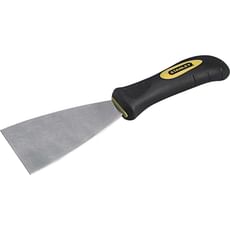
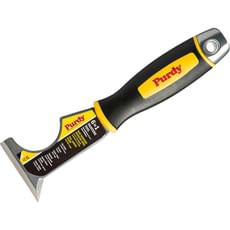
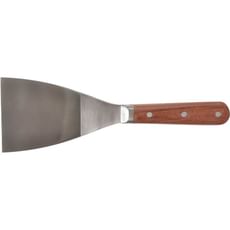
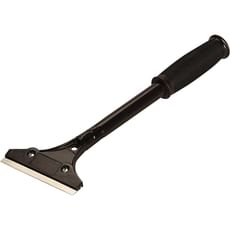
 Loading...
End of content
Error - No more pages to load
About Stripping Knives & Scrapers
Stripping knives and scrapers are essential hand tools for removing paint, wallpaper, adhesive, and other surface materials during decorating and renovation projects. These versatile tools feature flat or angled blades designed to glide beneath stubborn coatings without damaging the underlying surface. Whether you're stripping old wallpaper before redecorating, removing dried tile adhesive, or scraping away flaking paint, having the right scraper makes all the difference between a frustrating task and an efficient job.
The selection at Tooled-Up.com includes everything from basic single-purpose wallpaper strippers to sophisticated multi-tools that combine scraping, prying, nail pulling, and paint can opening functions in one compact design. Premium models feature flexible stainless steel blades that conform to curved surfaces, whilst heavy-duty decorators' scrapers provide the rigidity needed for removing thick coatings. Ergonomic soft-grip handles reduce hand fatigue during extended use, making these tools indispensable for both professional decorators and DIY enthusiasts tackling home improvement projects.
Modern stripping knives and scrapers come with various blade profiles to suit different applications. Flat edges work best on smooth walls and ceilings, convex edges handle external curves, whilst concave profiles are ideal for pipes and rounded mouldings. Many professional-grade options feature replaceable blades, extending the tool's lifespan and ensuring you always have a sharp edge for clean, efficient material removal without gouging or scarring delicate surfaces.
Jargon Buster
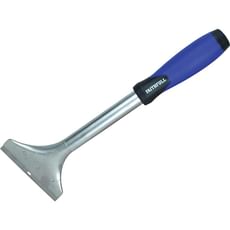
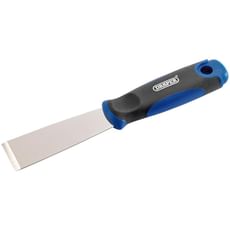
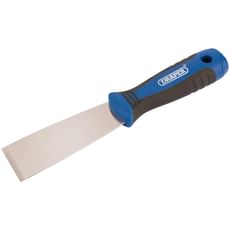
- Chisel Knife: A stripping tool with a wide, flat blade similar to a chisel, designed for removing paint and wallpaper from flat surfaces. The blade width typically ranges from 25mm to 100mm.
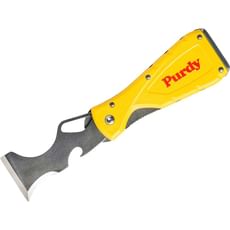
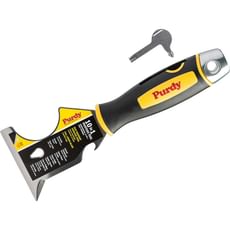
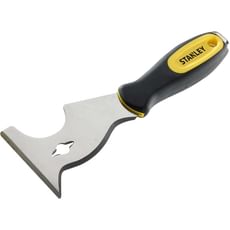
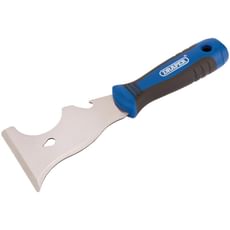
- Multi-Tool Scraper: A versatile implement combining multiple functions such as scraping, prying, nail pulling, paint can opening, and roller cleaning in a single tool. Often referred to as a "6-in-1" or "10-in-1" depending on the number of functions.
- Flexible Blade: A thin, spring-tempered steel blade that can bend slightly to follow contoured surfaces without snapping. Ideal for curved areas like radiator pipes and cornicing.
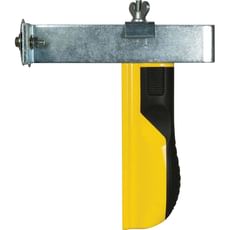
- Drywall Stripper: A specialised scraper designed specifically for preparing plasterboard surfaces, featuring a blade angle and edge that removes material without damaging the paper facing of the board.
- Soft Grip Handle: An ergonomic handle design featuring rubber or elastomer coating that provides comfortable grip, reduces hand fatigue, and prevents blisters during prolonged use.
- Mirror Polished Blade: A highly polished stainless steel blade with a smooth, corrosion-resistant finish that slides easily beneath materials and resists rust even in damp conditions.
Who Uses Stripping Knives & Scrapers?
- Professional Decorators and Painters: Daily use for surface preparation before painting and decorating
- Plasterers: Removing old plaster and preparing substrates for new applications
- Tilers: Stripping away old adhesive and grout from walls and floors
- Property Maintenance Professionals: General renovation and refurbishment work across multiple properties
- Joiners and Carpenters: Cleaning up excess adhesive and preparing surfaces for timber installation
- Shopfitters: Removing old fixtures and preparing retail spaces for refit
- DIY Enthusiasts: Home improvement projects including redecorating and renovation work
- Property Developers and Refurbishment Contractors: Large-scale stripping and preparation during property renovation
- Heritage and Restoration Specialists: Carefully removing coatings from period features without causing damage
How to Choose the Right Stripping Knives & Scrapers
Blade Width and Profile: Consider the surfaces you'll be working on most frequently. Narrow blades (25-50mm) offer precision for detailed work around window frames and skirting boards, whilst wider scrapers (75-100mm) cover large flat areas more quickly. If working on curved surfaces like pipework, look for models with convex and concave blade edges.
Blade Material and Flexibility: Stainless steel blades resist corrosion and maintain sharpness longer than carbon steel alternatives. Flexible blades conform to uneven surfaces and reduce the risk of gouging, whilst rigid blades provide more force for removing stubborn materials. Tooled-Up stocks both types to suit different applications.
Handle Design: Ergonomic soft-grip handles significantly reduce hand fatigue during extended use. Look for handles with adequate length—longer handles provide better leverage for tough scraping jobs. Hang holes allow convenient storage on tool belts or pegboards.
Multi-Function Options: Professional decorators often prefer multi-tools that combine scraping with additional functions like nail pulling, paint can opening, and roller cleaning. These reduce the number of tools you need to carry whilst offering excellent value. Brands like Stanley, Purdy, and Draper offer comprehensive multi-tool options.
Application-Specific Tools: Specialist tools like drywall strippers and tile adhesive scrapers are optimised for particular tasks. If you frequently work with specific materials, investing in purpose-designed tools will improve efficiency and results.
Replaceable vs Fixed Blades: Replaceable blade systems extend tool life and ensure you always have a sharp edge available. Fixed-blade models are typically more affordable initially but may need complete replacement when worn.
Popular Accessories
- Replacement Blades: Keep spare blades for tools with replaceable blade systems
- Wallpaper Stripping Solution: Chemical removers that soften wallpaper paste for easier removal
- Steam Wallpaper Strippers: Electrical appliances that use steam to loosen stubborn wallpaper
- Filling Knives and Spatulas: Complementary tools for applying filler after surface preparation
- Abrasive Paper and Sanding Blocks: For smoothing surfaces after scraping
- Dust Sheets and Decorators' Fleece: Protection for floors and furniture during stripping work
- Wire Brushes: For removing loose material and preparing surfaces
- Sharpening Stones: Maintain blade sharpness for optimal performance
- Tool Belts and Pouches: Convenient storage and access during site work
- Work Gloves: Hand protection during heavy scraping tasks
Safety Information
Personal Protective Equipment: Always wear appropriate safety glasses or goggles when scraping, as chips of paint, plaster, or tile adhesive can become airborne. Dust masks or respirators are essential when removing old paint that may contain lead or when working in poorly ventilated areas, in accordance with COSHH regulations.
Blade Handling: Scraper blades are sharp and should be handled with care. Always scrape away from your body and keep your free hand clear of the blade path. Store tools with blade guards or covers when not in use, and inspect blades regularly for chips or cracks that could cause injury.
Lead Paint Awareness: Properties built before 1970 may contain lead-based paint. When working on older buildings, follow HSE guidance for lead paint removal, which may require specialist containment and disposal procedures. Never dry-scrape suspected lead paint without appropriate controls.
Ladder and Platform Safety: When using stripping knives at height, ensure you have a stable working platform and maintain three points of contact. Never overreach whilst holding a sharp scraper, and use tool lanyards to prevent dropped tools from injuring those below.
Repetitive Strain: Extended scraping can cause hand and wrist strain. Take regular breaks, vary your grip position, and use tools with ergonomic handles to reduce the risk of repetitive strain injuries common amongst professional decorators.
Frequently Asked Questions
What's the difference between a stripping knife and a filling knife?
Stripping knives have stiffer, more robust blades designed for removing materials, whilst filling knives feature thinner, more flexible blades optimised for applying filler and smoothing compounds. Although they may look similar, each is engineered for its specific purpose, and using the wrong tool can damage both the tool and the surface you're working on.
How do I remove stubborn wallpaper that won't budge with a scraper?
Score the wallpaper surface with a perforating tool first, then apply wallpaper stripping solution or use a steam stripper to penetrate and soften the adhesive. Wait 10-15 minutes for the solution to work before attempting to scrape again. Multiple applications may be necessary for particularly stubborn paper or multiple layers. Always scrape at a shallow angle to avoid gouging the plaster beneath.
Can I sharpen the blade on my scraper?
Yes, many scraper blades can be sharpened using a fine metal file or sharpening stone. Hold the file at the same angle as the original bevel and work along the edge in smooth, even strokes. However, blades that are badly chipped, cracked, or worn should be replaced rather than sharpened for safety reasons.
Are multi-tool scrapers as effective as dedicated single-purpose tools?
Quality multi-tools from brands like Stanley, Purdy, and Draper offer excellent performance for most general decorating tasks and provide outstanding value by combining multiple functions. Professional decorators often carry a multi-tool for convenience alongside specialist tools for heavy-duty applications. For occasional DIY use, a good multi-tool is typically all you'll need.
What blade width should I choose for general decorating work?
A 75-100mm wide scraper represents the best compromise for most applications, providing sufficient coverage for large areas whilst remaining manoeuvrable enough for detailed work. Many professionals keep multiple widths in their toolkit: a 50mm scraper for precision work around trim and fixtures, and a 100mm model for stripping large wall sections efficiently.