

Suction Hose Pipes
Pay in 3 interest-free payments on purchases from £30-2000 with  . Learn more.
 Loading...
End of content
Error - No more pages to load
About Suction Hose Pipes
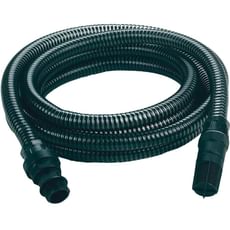
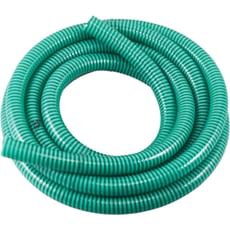
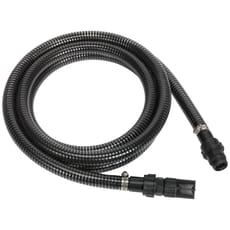
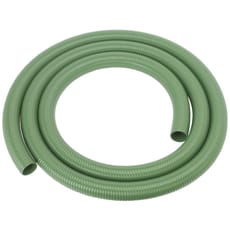
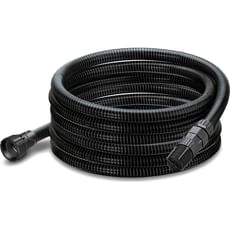
Suction hose pipes are essential components for water transfer systems, designed to draw water from sources such as ponds, wells, water butts, and flooded areas. Unlike standard delivery hoses, suction hoses feature robust spiral reinforcement that prevents collapse under vacuum pressure, ensuring consistent water flow even when drawing from lower levels or distant sources. These specialised hoses connect to water pumps, pressure washers, and drainage equipment, making them indispensable for both professional contractors and domestic users tackling irrigation, drainage, and emergency water removal tasks.
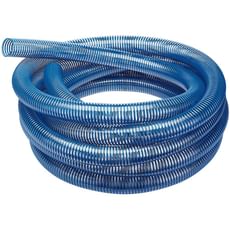
The range available from Tooled-Up.com includes solid wall PVC suction hoses with clear or semi-transparent construction, allowing users to monitor fluid transfer and detect blockages quickly. Quality suction hoses from trusted brands like Draper, Sealey, Karcher, and Einhell are engineered to handle clean and dirty water applications, with some models specifically designed for use with petrol-powered pumps or submersible dirty water pumps. The spiral reinforcement within these hoses provides the structural integrity necessary to maintain shape under suction whilst remaining flexible enough for easy positioning around obstacles.
Complete suction hose kits typically include essential components such as foot valve strainers, hose connectors, and adapters to ensure compatibility with various pump types. These accessories prevent debris from entering the pump mechanism, extend equipment lifespan, and improve overall system efficiency. Whether you're a groundworker managing site drainage, a landscaper installing irrigation systems, or a homeowner preparing for seasonal flooding, selecting the appropriate suction hose specification ensures reliable performance when you need it most.
Jargon Buster
- Spiral Reinforcement: Internal or embedded spiral wire or rigid PVC thread that provides structural support, preventing the hose from collapsing under vacuum pressure during suction operations.
- Solid Wall Construction: Hose design featuring continuous wall thickness without corrugation, offering smooth internal surfaces that minimise friction and improve flow rates whilst maintaining clarity for visual inspection.
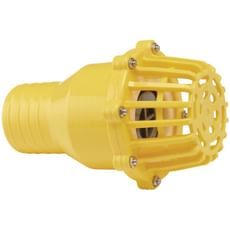
- Foot Valve Strainer: A combined filter and non-return valve fitted to the submerged end of the suction hose, preventing debris entry whilst maintaining prime by stopping backflow when the pump stops.
- Suction Lift: The vertical distance a pump can draw water upwards from its source, typically measured in metres. This specification determines maximum depth for effective water extraction.
- Prime/Priming: The process of filling the pump and suction hose with water to remove air, creating the vacuum necessary for suction to commence. Self-priming pumps automate this process.
- Nominal Bore: The internal diameter of the hose, typically measured in millimetres or inches, which determines flow capacity and compatibility with pump inlet connections.
Who Uses Suction Hose Pipes?
- Groundworkers and Civil Engineers: Managing site dewatering, trench drainage, and excavation water removal on construction projects
- Landscapers and Garden Designers: Installing irrigation systems, pond maintenance, and water feature circulation
- Agricultural Workers and Farmers: Transferring water for livestock, crop irrigation, and managing field drainage
- Drainage Contractors: Emergency flood response, basement water removal, and commercial drainage operations
- Building Maintenance Teams: Managing water ingress, heating system filling, and emergency pumping situations
- Swimming Pool and Hot Tub Engineers: Emptying, refilling, and maintaining water features
- Fire and Rescue Services: Emergency water supply from alternative sources during firefighting operations
- DIY Enthusiasts and Homeowners: Garden irrigation, water feature maintenance, flood preparation, and emergency water removal
- Car Wash and Valeting Businesses: Water supply systems where mains pressure is insufficient
How to Choose the Right Suction Hose Pipes
Hose Diameter and Flow Rate: Match the hose bore to your pump's inlet connection size, typically ranging from 25mm to 50mm for domestic applications. Larger diameters provide higher flow rates but require more powerful pumps to generate adequate suction. Check your pump manufacturer's recommendations for optimal performance.
Length Requirements: Calculate the total distance from water source to pump, allowing extra length for connection fittings and avoiding sharp bends that restrict flow. Remember that excessive length increases friction loss and reduces effective suction lift capability. Standard lengths at Tooled-Up typically range from 3 to 10 metres.
Water Type and Application: Select hoses rated for your specific application. Clean water hoses suit mains water transfer and irrigation, whilst hoses designed for dirty water pumps feature reinforced construction to handle debris-laden water from flooded areas, building sites, or agricultural settings.
Material Quality and Transparency: Clear PVC walls allow visual monitoring of water flow and early blockage detection, whilst maintaining flexibility in cold conditions. Check the spiral reinforcement quality—rigid PVC or wire-reinforced options offer superior collapse resistance compared to lighter-duty alternatives.
Temperature and Chemical Resistance: Standard PVC suction hoses operate effectively between approximately 0°C and 50°C. If handling warm water, chemicals, or operating in extreme temperatures, verify the hose specifications meet your requirements to prevent degradation or failure.
Fittings and Compatibility: Ensure included connectors match your pump's inlet thread type. Complete kits from brands like Sealey and Draper often include multiple adapters, hose clamps, and foot valve strainers, providing better value than purchasing components separately.
Popular Accessories
- Foot Valve Strainers: Essential for preventing debris entry and maintaining pump prime between operations
- Hose Connectors and Adapters: Various thread types and quick-connect fittings for compatibility across different pump brands
- Stainless Steel Hose Clips: Secure connections preventing air leaks that compromise suction performance
- Suction Hose Repair Kits: Replacement clamps, connectors, and repair sleeves for maintaining existing equipment
- Delivery Hoses: Layflat or standard garden hoses for directing pumped water away from the work area
- Pump Accessories: Float switches for automatic operation, pressure gauges, and flow meters
- Hose Storage Solutions: Reels and hangers preventing damage and extending service life
- Water Pump Units: Submersible dirty water pumps, surface-mounted clean water pumps, and petrol-powered transfer pumps
Safety Information
Electrical Safety: When using electrically powered pumps with 240v mains connections, ensure all equipment is protected by RCD devices rated at 30mA or less. Never handle electrical connections with wet hands, and position pump control units away from potential water contact. Battery-powered or petrol pumps eliminate electrical hazards in wet environments.
Manual Handling: Water-filled hoses become significantly heavier—a 10-metre length of 40mm hose can exceed 10kg when full. Use proper lifting techniques and seek assistance when manoeuvring filled hoses to prevent back strain or injury.
Secure Connections: Inadequately secured suction hoses can detach under vacuum pressure, causing sudden equipment shutdown and potential injury from whipping hoses. Always use appropriate hose clips tightened to manufacturer specifications, and inspect connections before operation.
Foot Valve Positioning: Ensure the strainer remains fully submerged during operation. Air ingress causes pump cavitation, overheating, and potential mechanical failure. Never run pumps dry, and install float switches for automatic shutdown when water levels drop.
Contaminated Water: When pumping potentially contaminated floodwater or sewage, wear appropriate PPE including waterproof gloves, safety boots, and eye protection. Thoroughly clean and disinfect all equipment after use, following HSE guidance for biological hazard management.
Frequently Asked Questions
What's the difference between suction hose and standard garden hose?
Suction hoses feature spiral reinforcement that prevents collapse under vacuum pressure when drawing water upwards. Standard garden hoses lack this reinforcement and will flatten when used on pump inlets, stopping water flow completely. Garden hoses are designed only for delivery under positive pressure.
Why does my suction hose keep losing prime?
Air leaks at connection points are the most common cause of lost prime. Check all hose clips are properly tightened, inspect the hose for splits or perforations, and ensure the foot valve strainer remains fully submerged. Connection threads may require PTFE tape to achieve airtight seals.
Can I use suction hose with a pressure washer?
Yes, when the water supply pressure is insufficient or you're drawing from static sources like water butts. Connect the suction hose to the pressure washer's inlet, ensuring a foot valve strainer is fitted. Note that most domestic pressure washers have limited suction lift capability—typically 1-2 metres maximum vertical distance.
How do I store suction hose to maximise its lifespan?
Drain completely after use and store in loose coils away from direct sunlight, which degrades PVC over time. Avoid sharp bends or kinks during storage, and keep hoses in frost-free conditions during winter. Hanging storage prevents flat spots developing from prolonged compression under weight.
What length suction hose should I buy?
Measure the maximum distance from your water source to pump location, then add approximately 1 metre for connection flexibility and avoiding tight bends. Remember that excessive length reduces suction efficiency—pumps have maximum suction lift specifications, typically between 5-8 metres for domestic models. Horizontal distance also affects performance but less dramatically than vertical lift.