

Suction Lifters
Pay in 3 interest-free payments on purchases from £30-2000 with  . Learn more.

 Loading...
End of content
Error - No more pages to load
About Suction Lifters
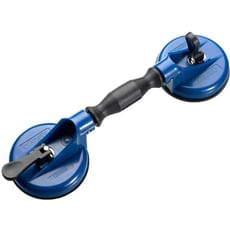
Suction lifters are indispensable handling tools designed to safely grip, lift, and manoeuvre smooth, non-porous materials such as glass, marble, tiles, metal sheets, and laminates. Using the principle of vacuum adhesion, these devices create a secure hold on flat surfaces, allowing tradespeople and DIY enthusiasts to transport heavy or awkward materials with greater control and reduced risk of damage or injury. From single-cup models for lightweight tasks to heavy-duty multi-cup systems capable of handling substantial glazing panels, suction lifters have become essential equipment across construction, glazing, and installation trades.
The selection at Tooled-Up.com includes suction lifters from respected manufacturers including Sealey, Expert by Facom, Faithfull, Draper, and Vitrex, offering options for every application and budget. Whether you're fitting bathroom tiles, installing shop fronts, or handling large glass panels during window replacement, the right suction lifter significantly improves safety and efficiency. Modern designs feature ergonomic handles, vacuum indicators to confirm secure grip, and durable rubber cups engineered to maintain suction even under load.
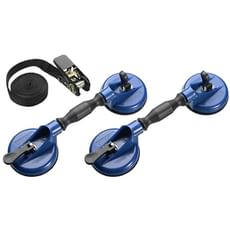
Available in configurations ranging from single-cup tile lifters to professional-grade windscreen handling kits with straps and multiple suction points, these tools eliminate the need for precarious manual handling techniques. Many models incorporate safety features such as vacuum grip indicators that provide visual confirmation of adequate suction before lifting, whilst heavy-lift variants can support loads exceeding 100kg when properly applied to suitable surfaces.
Jargon Buster
- Load Capacity: The maximum weight a suction lifter can safely support, typically measured in kilograms. Always check this specification matches your intended application and provides an adequate safety margin.
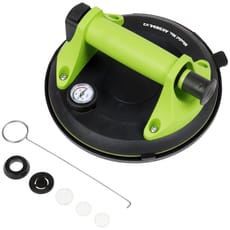
- Vacuum Indicator: A visual gauge or colour-coded display that confirms sufficient vacuum has been created between the suction cup and surface. This safety feature alerts users if suction is compromised before lifting.
- Suction Cup Diameter: The size of the rubber pad that contacts the material surface, usually measured in millimetres. Larger diameter cups distribute load more effectively and provide greater holding power on suitable surfaces.
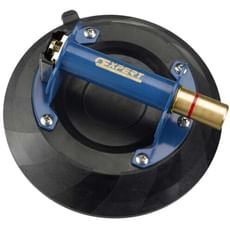
- Pump Mechanism: Some advanced suction lifters feature a manual pump to create enhanced vacuum beyond what simple compression provides, offering more reliable grip for heavy-duty applications.
- Release Valve: A mechanism that allows controlled breaking of the vacuum seal, enabling safe release of the material without sudden detachment or the need to prise the cups away.
- Cross-Bar Handle: The frame connecting multiple suction cups, providing balanced lifting points and distributing the load evenly across larger panels or sheets.
Who Uses Suction Lifters?
- Glaziers and Window Fitters: For installing double-glazed units, shopfronts, conservatory panels, and automotive windscreens
- Tilers: Handling large-format porcelain and ceramic tiles during bathroom, kitchen, and commercial flooring installations
- Shopfitters: Positioning glass display cases, mirrors, and glazed partitions in retail environments
- Kitchen Fitters: Installing glass splashbacks, worktop sections, and appliance doors
- Bathroom Installers: Fitting shower screens, glass panels, and large mirror fixtures
- Automotive Technicians: Removing and replacing windscreens, rear windows, and sunroof panels
- Metalworkers and Fabricators: Handling polished stainless steel sheets and aluminium composite panels
- Signage Installers: Positioning acrylic panels and glazed display boards
- DIY Enthusiasts: Home improvement projects involving tile laying, mirror hanging, and glass installation
How to Choose the Right Suction Lifters
Assess Load Requirements: Calculate the weight of materials you'll be handling and select a suction lifter with adequate capacity. Professional glaziers working with large architectural glass will require heavy-duty models with load capacities of 80kg or more, whilst tile installation typically needs lighter-duty options suitable for 20-40kg loads.
Consider Surface Type: Suction lifters perform optimally on smooth, non-porous surfaces like glass, polished tiles, and metal. Textured, rough, or porous materials such as natural stone or unglazed ceramics may not provide sufficient seal. Verify your material is compatible before purchasing.
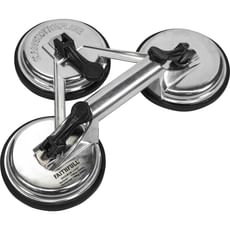
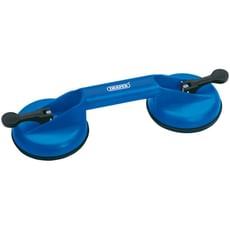
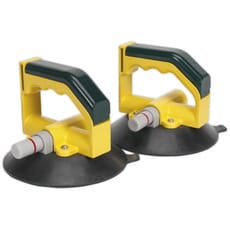
Number of Suction Points: Single-cup lifters suit small tiles and compact applications, whilst double or triple-cup configurations provide better stability for larger panels. Tooled-Up stocks multi-cup sets ideal for handling oversized materials that require balanced load distribution across multiple contact points.
Vacuum Indicator Feature: For professional applications or valuable materials, models with vacuum indicators provide essential safety confirmation. These visual gauges alert you if suction weakens during lifting, preventing costly breakages or dangerous accidents.
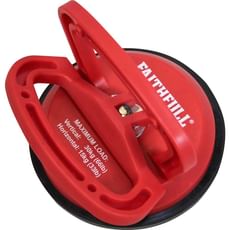
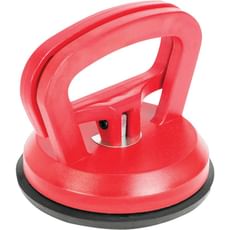
Handle Design and Ergonomics: Consider how you'll be lifting and manoeuvring materials. Vertical lifts benefit from central handles, whilst large panel positioning may require cross-bar designs with multiple grip points. Ergonomic handles reduce fatigue during repetitive tasks.
Portability and Storage: Compact single-cup models suit mobile tradespeople with limited van space, whilst comprehensive kits with carrying cases better serve workshops and dedicated installation teams who transport multiple tools to site.
Popular Accessories
- Replacement Rubber Cups: Suction pads wear over time and should be replaced when damaged or perished to maintain safe vacuum seal
- Surface Cleaning Materials: Microfibre cloths and cleaning solutions ensure surfaces are dust-free for optimal suction performance
- Handling Straps: Complementary webbing straps provide additional security when moving large or valuable glass panels
- Protective Gloves: Cut-resistant gloves from brands like Portwest offer hand protection when handling glass edges
- Knee Pads: Essential for tilers working at floor level during extended installations
- Spirit Levels: Ensure accurate positioning of panels, mirrors, and tiles during installation
- Tile Spacers and Wedges: Complementary tools for professional tiling applications
- Tool Bags and Cases: Storage solutions from Stanley and DeWalt protect suction lifters during transport
Safety Information
Surface Preparation: Always ensure the contact surface is completely clean, dry, and free from dust, grease, or debris before applying suction cups. Even minor contamination can compromise vacuum seal and lead to sudden failure under load.
Load Limits: Never exceed the manufacturer's specified load capacity. Apply a safety margin of at least 20% below maximum rating, particularly when working overhead or in awkward positions where additional forces may be encountered.
Pre-Lift Inspection: Check suction cups for cracks, tears, or deterioration before each use. Damaged rubber will not create adequate vacuum and must be replaced immediately. Test the vacuum indicator function if fitted.
Secure Grip Verification: After applying suction cups, attempt to lift the material slightly whilst it remains supported to confirm secure adhesion before full weight transfer. On models with vacuum indicators, ensure the gauge shows green or adequate vacuum level.
Overhead Work Precautions: Exercise extreme caution when using suction lifters above head height. Consider additional manual support or safety straps as backup, and ensure the work area beneath is kept clear in case of accidental release.
Material Suitability: Verify materials are suitable for suction lifting. Porous surfaces, textured finishes, or materials with surface treatments may not provide adequate seal. When in doubt, test on a sample or offcut before lifting valuable items.
Frequently Asked Questions
What weight can a typical suction lifter handle?
Capacity varies significantly by model. Basic single-cup tile lifters typically handle 15-25kg, suitable for large-format tiles and small mirrors. Double-cup models range from 30-60kg for general glazing work, whilst heavy-duty professional systems with pump mechanisms can safely lift 80-120kg or more when used on appropriate surfaces. Always verify the specific load rating before use and maintain a safety margin below maximum capacity.
Will suction lifters work on textured or rough surfaces?
Suction lifters require smooth, non-porous surfaces to create an effective vacuum seal. They perform excellently on glass, polished tiles, laminates, acrylic, and polished metal, but are unsuitable for textured tiles, natural stone with rough finishes, or porous materials like unglazed terracotta. The surface must be completely flat within the suction cup area to prevent air leakage that would compromise grip.
How do I know if the suction is secure before lifting?
Many quality suction lifters available from Tooled-Up feature vacuum indicator gauges that provide visual confirmation of adequate suction. These typically display green when safe to lift and red when vacuum is insufficient. For models without indicators, press the cups firmly against the clean surface, operate any pump mechanism if fitted, then attempt to slide or tilt the material slightly whilst it remains supported to test adhesion before full lifting.
Can I use suction lifters for outdoor installation work?
Yes, but environmental conditions affect performance. Cold temperatures can reduce rubber flexibility, whilst direct sunlight heating glass panels may cause expansion and weaken vacuum seal over time. Avoid use in wet conditions as moisture prevents proper suction formation. Wind loading on large panels can also compromise grip, so exercise additional caution when working outdoors with substantial glass or sheet materials.
How often should I replace the rubber suction cups?
Inspect cups before each use for signs of cracking, tearing, hardening, or deformation. Replace immediately if any damage is visible. Even without obvious damage, rubber naturally degrades over time—particularly with exposure to UV light and temperature extremes. Professional users handling valuable materials should consider replacement annually or after approximately 200-300 applications, even if cups appear serviceable, to maintain optimal safety margins.