

Super Glue
Pay in 3 interest-free payments on purchases from £30-2000 with  . Learn more.
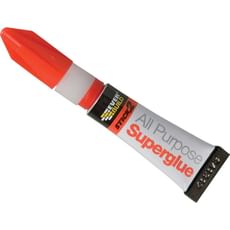
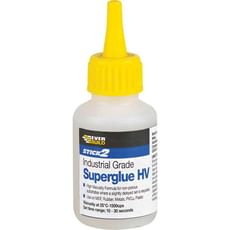
 Loading...
End of content
Error - No more pages to load
About Super Glue
Super glue, scientifically known as cyanoacrylate adhesive, is one of the fastest-acting and most versatile bonding solutions available to tradespeople and DIY enthusiasts across the UK. These powerful adhesives create exceptionally strong bonds within seconds, making them indispensable for quick repairs, precision assembly work, and emergency fixes on site. Whether you're working with plastics, metals, rubber, ceramics, wood, or composite materials, the right super glue formulation can create a permanent bond that often exceeds the strength of the materials themselves.
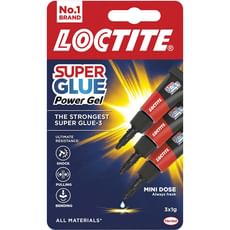
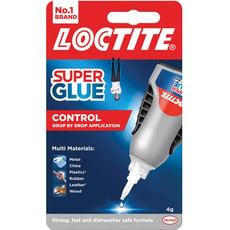
Tooled-Up.com stocks a comprehensive range of professional-grade super glues from trusted manufacturers including Loctite, Bondloc, Everbuild, Gorilla, Bostik, and Sealey. The selection encompasses various viscosities and specialised formulations to suit different applications, materials, and working conditions. From low-viscosity adhesives that penetrate hairline cracks and tight joints to thixotropic gels that remain exactly where you place them on vertical surfaces, there's a cyanoacrylate solution for virtually every bonding challenge encountered by professional tradespeople.
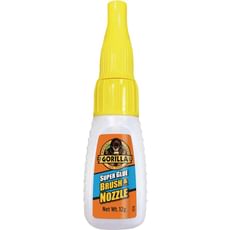
Professional-grade super glues deliver superior performance compared to household varieties, offering higher bond strengths, better resistance to temperature extremes, impact, and vibration, plus formulations engineered specifically for demanding industrial applications. Many products feature precision applicators including brush tips, nozzles, and easy-flow bottles that provide complete control over adhesive placement, reducing waste and improving accuracy on detailed work. Rubber-toughened variants offer enhanced flexibility for applications subject to stress or thermal expansion, whilst black formulations provide discreet bonding on dark materials.
Jargon Buster
- Cyanoacrylate
- The chemical name for super glue. This fast-curing adhesive polymerises rapidly when exposed to moisture present in the air or on surfaces, creating strong bonds within seconds. All super glues are cyanoacrylate-based adhesives.
- Viscosity
- Refers to the thickness or flow characteristics of the adhesive. Low viscosity super glues are thin and runny, ideal for penetrating tight gaps and capillary action bonding. Medium viscosity offers versatility for general applications. High viscosity and gel formulations are thicker, providing gap-filling properties and non-drip performance on vertical surfaces.
- Thixotropic Gel
- A specialist non-drip gel formulation that maintains its position on vertical and overhead surfaces without running. Perfect for gap-filling applications and precise bonding work where adhesive migration would compromise the repair.
- Activator/Accelerator
- An aerosol spray product that dramatically speeds up the curing process of cyanoacrylate adhesives. Particularly useful when bonding non-porous materials, working in low-humidity conditions, or when instant handling strength is required.
- Rubber-Toughened
- A modified super glue formulation with added elastomers providing increased flexibility, impact resistance, and peel strength. Ideal for applications subject to vibration, mechanical stress, or thermal expansion and contraction cycles.
- Cure Time
- The duration required for the adhesive to reach full bond strength. Initial bonding with super glue occurs within 10-30 seconds, but complete cure typically takes 24 hours for maximum strength development and optimal performance characteristics.
Who Uses Super Glue?
Super glue is an essential adhesive across numerous trades and professional applications:
- Electricians: Securing cable clips, fixing enclosure components, bonding electrical fittings, and repairing damaged cable insulation
- Plumbers: Emergency repairs on plastic components, fixing clips and brackets, securing pipe insulation, and bonding rubber seals
- Joiners and Carpenters: Precision bonding of decorative elements, veneers, inlays, small fixtures, and wood repairs requiring invisible bonds
- Vehicle Mechanics and Auto Trimmers: Interior trim repairs, bonding rubber seals, fixing plastic components, and securing dashboard elements
- Maintenance Engineers: Quick repairs on machinery, equipment, industrial components, and emergency fixes minimising downtime
- Shop Fitters and Installers: Securing signage, displays, retail fixtures, point-of-sale materials, and decorative elements
- Model Makers and Fabricators: Precision assembly work, detailed construction, prototype development, and bonding dissimilar materials
- UPVC Window Fitters: Bonding plastic components with specialised UPVC super glue formulations paired with activator sprays
- Electronics Repair Technicians: Securing components, wire management, and bonding delicate parts in consumer electronics
- General DIY Enthusiasts: Household repairs, craft projects, emergency fixes, and restoration work
How to Choose the Right Super Glue
Material Compatibility: Whilst most super glues bond a wide range of materials, some formulations are optimised for specific surfaces. Standard cyanoacrylate works excellently on plastics (excluding polyethylene and polypropylene), metals, ceramics, and rigid materials. For porous materials like wood, leather, or card, consider slower-setting formulations that allow penetration. UPVC applications benefit from specialist products paired with activator sprays for optimal bond strength.
Viscosity Requirements: Low viscosity adhesives flow readily into tight joints, hairline cracks, and capillary spaces, making them ideal for precision work and invisible bonds. Medium viscosity offers the most versatility for general repairs and typical applications. High viscosity and gel formulations provide gap-filling capabilities up to several millimetres and won't drip on vertical or overhead applications, remaining exactly where applied.
Application Environment: Consider your working conditions and performance requirements. Rubber-toughened super glues offer flexibility and superior resistance to impacts, vibration, shock loading, and temperature cycling. Thixotropic gels maintain position on vertical surfaces without sagging. Black formulations provide more discreet finishes on dark materials, whilst standard clear adhesives remain virtually invisible when cured.
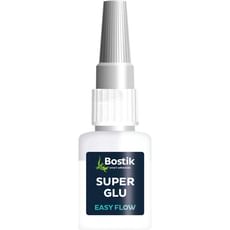
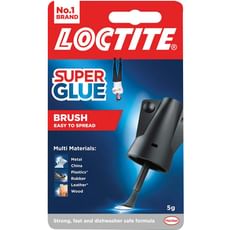
Applicator Style: Brush-on applicators available from Tooled-Up offer precise control for detailed work and reaching awkward areas. Nozzle bottles suit general applications and allow controlled dispensing into recesses. Easy-flow bottles provide consistent, controlled dispensing without requiring excessive pressure. Consider purchasing multiple formats for different job requirements to maximise efficiency.
Quantity and Value: Professional users should consider larger volume packs or multi-packs for better value. Remember that cyanoacrylate adhesives have a limited shelf life once opened (typically several months with proper storage), so balance quantity against your typical usage rates to avoid waste through premature curing.
Popular Accessories
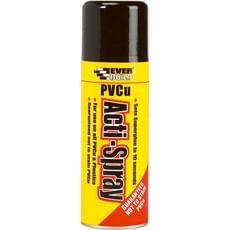
- Super Glue Activators: Aerosol sprays such as Everbuild PVCu Acti-Spray that dramatically accelerate cure times, particularly useful with activator-friendly formulations on non-porous surfaces like UPVC, metals, and smooth plastics
- Debonding Agents: Specialist solvents designed to safely remove cured super glue from skin, tools, or surfaces without causing damage or requiring forceful separation
- Precision Applicator Tips: Replacement nozzles and fine tips for detailed work, allowing access to tight spaces and improving control on intricate applications
- Surface Preparation Products: Cleaning wipes and degreasers ensuring surfaces are free from contamination, oils, and residues for optimal bonding performance
- Protective Gloves: Nitrile or vinyl disposable gloves to prevent accidental skin bonding during application and protect hands from adhesive contact
- Storage Containers: Airtight storage boxes to extend shelf life by preventing moisture exposure and premature curing of opened bottles
- Two-Part Epoxy Adhesives: Alternative bonding solutions for applications requiring longer working times, gap-filling beyond super glue capabilities, or specific chemical resistance properties
Safety Information
Super glue requires careful handling to ensure safe use in accordance with HSE and COSHH regulations. Always work in a well-ventilated area, as cyanoacrylate adhesives release vapours that may cause respiratory irritation, particularly in confined spaces. Wear appropriate eye protection to prevent accidental contact with eyes, which can cause serious injury requiring immediate medical attention. Never attempt to remove adhesive from eyelids—seek emergency medical assistance immediately.
Skin bonding is the most common accident with super glue. If skin becomes bonded, do not attempt to forcibly pull surfaces apart, as this may cause tearing. Instead, immerse the affected area in warm soapy water and gently peel surfaces apart using a blunt object. Keep a dedicated debonding agent in your toolkit for emergencies. Never use super glue near the eyes, mouth, or on large areas of skin. The adhesive bonds skin instantly and can cause burns through the exothermic curing reaction.
Store super glue in a cool, dry location away from heat sources, direct sunlight, and moisture. Keep containers tightly sealed when not in use, as exposure to atmospheric moisture will cause the adhesive to cure within the bottle. Always read and follow the manufacturer's safety data sheets (SDS) and comply with COSHH regulations when using these products in workplace environments. Dispose of empty containers according to local regulations. Keep out of reach of children at all times.
Frequently Asked Questions
How long does super glue take to set and fully cure?
Initial bonding occurs within 10-30 seconds on most surfaces, providing handling strength almost immediately. However, full cure strength develops over approximately 24 hours. For maximum bond strength and durability, avoid subjecting repairs to significant stress during this curing period. Using an activator spray can reduce cure times to just seconds when working with non-porous materials or in low-humidity conditions.
Can super glue withstand outdoor conditions and weathering?
Once fully cured, most quality super glues offer good water resistance and can withstand typical UK weather conditions. However, prolonged exposure to moisture, UV light, and temperature extremes may gradually degrade the bond over time. For critical outdoor applications or joints requiring long-term weatherproofing, consider specialised weatherproof adhesives, polyurethane adhesives, or two-part epoxy systems specifically designed for exterior use.
What's the difference between liquid super glue and gel formulations?
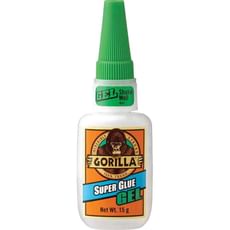
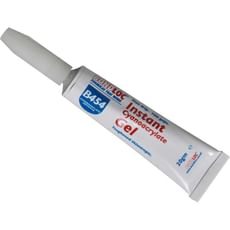
Standard liquid super glue has low viscosity and flows easily through capillary action, making it ideal for tight joints, small gaps, and applications requiring adhesive penetration. Gel formulations like Bondloc B454 are thicker and thixotropic, meaning they stay exactly where you apply them without running or dripping. Gels are perfect for vertical surfaces, overhead work, gap-filling applications up to 2-3mm, and situations where adhesive migration would compromise the repair. Both offer similar ultimate bond strength when fully cured.
Why won't super glue bond certain plastics or materials?
Some plastics, including polyethylene (PE), polypropylene (PP), PTFE (Teflon), and silicone, have extremely low surface energy that prevents effective bonding with standard cyanoacrylate adhesives. These materials require surface preparation with plasma treatment, primers, or specialist adhesives formulated for low-energy plastics. Very smooth, oily, or contaminated surfaces also resist bonding—clean thoroughly with a suitable degreaser or solvent before application. Using an activator spray can significantly improve adhesion on difficult surfaces.
How can I prevent super glue from curing in the bottle?
Store super glue upright in a cool, dry place with the cap tightly sealed immediately after use. Moisture in the air causes cyanoacrylate to cure, so minimising exposure is crucial. Wipe the nozzle clean before replacing the cap to prevent blockages. Some professionals store opened bottles in airtight containers with silica gel packets to absorb moisture. Refrigeration can extend shelf life, but always allow the bottle to return to room temperature before use to prevent condensation inside the container, which will cause premature curing.