

Surface Treatments

Pay in 3 interest-free payments on purchases from £20-£3000 with  . Learn more.
 Loading...
End of content
Error - No more pages to load
About Surface Treatments
Surface treatments are specialist preparation and maintenance products formulated to clean, protect, and restore surfaces before painting, sealing, or general upkeep work. These essential formulations address common problems such as biological growth, stubborn staining, and surface contamination that can compromise the adhesion and longevity of subsequent coatings. From fungicidal washes that eliminate mould and algae on exterior masonry to powerful UPVC solvent cleaners that restore plastic window frames to pristine condition, surface treatments form the critical foundation of successful decorating and maintenance projects.
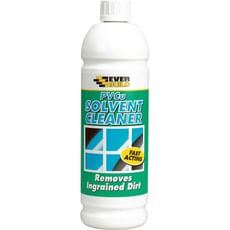
Professional tradespeople recognise that proper surface preparation determines the quality and durability of finished work. A fungicidal wash applied to external render before painting doesn't just improve appearance—it kills biological growth at the root, preventing premature coating failure and ensuring paint adheres correctly. Similarly, UPVC solvent cleaners remove ingrained dirt, weathering stains, sealant residue, and protective film adhesive that ordinary household cleaners cannot shift, delivering the professional finish that customers expect.
The surface treatment range at Tooled-Up.com features trusted professional brands like Everbuild, renowned throughout the UK building trade for reliable, effective formulations that deliver consistent results in typical British weather conditions. Whether tackling algae-stained render, preparing masonry for repainting, or cleaning installation residues from plastic joinery, these specialist products save time, reduce callbacks, and ensure substrate conditioning meets the requirements of modern coating systems.
Jargon Buster
- Fungicidal Wash
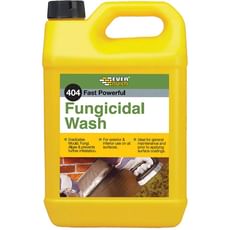
- A biocidal treatment formulated to kill mould, algae, lichen, and fungal growth on exterior surfaces. Applied before painting or sealing to eliminate spores and prevent biological growth from returning and damaging the finish. Most formulations leave a residual protective barrier.
- UPVC Solvent Cleaner
- A specialist cleaning solution designed to remove ingrained dirt, sealant residue, paint splashes, weathering stains, and protective film adhesive from unplasticised polyvinyl chloride (UPVC) window frames, doors, conservatories, and fascias without causing material damage or discolouration.
- Substrate
- The underlying surface or material being treated—such as brick, concrete, render, timber, or plastic. Different substrates have varying porosity, texture, and chemical compatibility, requiring specific treatment formulations for optimal cleaning and preparation results.
- Biocide
- A chemical substance that kills or inhibits living organisms, particularly bacteria, mould, algae, and fungi. Biocides in surface treatments prevent biological growth that can stain surfaces, retain moisture, and cause premature coating failure on exterior elevations.
- Efflorescence
- White, crystalline salt deposits that appear on masonry, render, and concrete when water-soluble salts migrate to the surface and crystallise as moisture evaporates. Surface treatments can help remove existing efflorescence and condition substrates to minimise recurrence.
- Contact Time
- The minimum period a surface treatment must remain on the substrate to achieve effective results. Fungicidal washes typically require 24-48 hours contact time to fully penetrate and kill biological growth before rinsing or overcoating.
Who Uses Surface Treatments?
Surface treatments are essential products for a diverse range of trades and users, including:
- Painters and Decorators: For preparing exterior walls, render, masonry, and cladding before applying paint, textured coatings, or protective finishes
- Window Fitters: To clean UPVC frames after installation, removing sealant residue, protective film adhesive, mortar splashes, and finger marks before handover
- Building Maintenance Contractors: For regular cleaning, treatment, and preparation of commercial and residential properties as part of planned maintenance schedules
- Rendering Specialists: To treat walls affected by algae, mould, or lichen before applying new render systems or decorative finishes
- Roofers and Fascia Specialists: For treating and cleaning fascias, soffits, and bargeboards before repainting or replacement work
- Property Managers and Landlords: To maintain the exterior appearance and condition of rental properties, housing stock, and commercial premises
- Conservatory Installers: To ensure UPVC components, glazing bars, and frames are spotless and free from installation residues before customer handover
- General Builders: For site cleaning, preparation work, and addressing defects related to biological growth or surface contamination
- Homeowners and DIY Enthusiasts: For general property maintenance, exterior cleaning, and preparation work before decorating projects
How to Choose the Right Surface Treatments
Selecting the appropriate surface treatment begins with correctly identifying your substrate. Masonry, render, timber, UPVC, metal, and composite materials each require specific formulations to achieve effective cleaning or treatment without causing damage. Always verify product compatibility with your surface type before application—using the wrong product can result in staining, etching, or material degradation.
Consider the specific problem you're addressing. For biological growth such as mould, algae, or lichen on exterior walls and render, a fungicidal wash with biocidal properties is essential to kill spores at the root and prevent regrowth. If you're dealing with cosmetic staining, installation residues, or weathering on UPVC windows, doors, and conservatories, a solvent-based cleaner will remove stubborn marks that water-based cleaners cannot shift, without affecting the material's integrity or colour.
Application method significantly affects both product performance and site efficiency. Some treatments are designed for brush or roller application, allowing you to work product into porous substrates for better penetration. Others work best when applied by spray and rinsed off with water. Check whether the product requires dilution—concentrated formulations offer better value but need accurate measuring—and what coverage rate you can expect per litre, as this directly impacts project costs.
Weather conditions are particularly critical for exterior applications. Most fungicidal washes require dry surfaces and temperatures above 5°C, with sufficient dry time before rainfall to allow proper penetration and biological action. Review the manufacturer's guidance on subsequent coating compatibility and waiting times—some treatments condition surfaces for immediate overcoating, whilst others require curing periods before painting can commence. For professional results that meet UK trade standards, choose established brands with clear technical data sheets and HSE-compliant formulations.
Popular Accessories
To achieve professional results from surface treatments, consider these complementary products and equipment:
- Pressure Washers: Essential for rinsing off fungicidal washes, removing loose material, and preparing heavily soiled surfaces before treatment application
- Hand Pump Sprayers: Ideal for applying liquid treatments evenly across large exterior surfaces, reducing application time and ensuring consistent coverage
- Masonry Brushes: Stiff-bristled brushes for working treatment into porous surfaces, agitating stubborn growth, and scrubbing affected areas
- Protective Sheeting and Polythene: To protect plants, paving, vehicles, and adjacent surfaces from overspray, run-off, and chemical contact
- Measuring Jugs and Graduated Containers: For accurate dilution of concentrated products according to manufacturer specifications
- Personal Protective Equipment: Including chemical-resistant gloves, safety goggles, respiratory protection, and protective clothing suitable for COSHH requirements
- Buckets and Mixing Containers: For preparing diluted solutions, decanting products, and keeping clean water available for rinsing
- Sponges, Cloths, and Applicator Pads: For applying solvent cleaners to smaller areas, wiping away residues, and detailing work around glazing
- Extension Poles: To reach high-level fascias, soffits, and upper-storey work without constant repositioning of access equipment
Safety Information
Surface treatment products contain active chemical ingredients and must be handled in accordance with COSHH regulations applicable to UK sites. Always read the product label, safety data sheet, and technical information before use. Many surface treatments contain biocides, solvents, or alkalis that can cause skin irritation, eye damage, and respiratory problems if mishandled.
Wear appropriate PPE including chemical-resistant gloves rated for the specific formulation, safety goggles or face shield, and respiratory protection when working in enclosed spaces or applying products by spray. Ensure adequate ventilation when using solvent cleaners indoors, and avoid creating mist or vapour in confined areas. Prevent contact with skin and eyes—if contact occurs, rinse immediately with plenty of water and seek medical advice if irritation persists.
When working on exterior surfaces, protect surrounding vegetation, lawns, paving, ponds, and water features from product run-off and overspray. Many biocidal washes can harm plants, aquatic life, and beneficial insects if not properly diluted, applied, or rinsed. Use protective sheeting to catch drips and run-off, and avoid applying products in windy conditions that may cause drift onto unintended areas.
Never dispose of chemical treatments, diluted solutions, or contaminated rinse water down drains without checking local authority regulations and environmental guidance. Some products require neutralisation or specialist disposal procedures. Store surface treatments in their original containers with labels intact, away from heat sources, direct sunlight, and frost. Keep products in a secure, locked location inaccessible to children, pets, and unauthorised persons, separate from food, drink, and animal feed. Follow HSE guidance for the storage of hazardous substances on site and in workshops.
Frequently Asked Questions
How long does fungicidal wash take to work on exterior walls?
Most fungicidal washes require 24-48 hours contact time to fully kill mould, algae, and fungal spores. Apply the product to dry surfaces during settled weather, allow the recommended contact time without rinsing (unless the product specifies otherwise), then either rinse thoroughly with clean water or leave to weather naturally depending on the formulation. Wait at least 48-72 hours after treatment before applying paint or coatings to ensure the surface is completely dry and biologically inactive. Visible darkening or fading of green/black growth indicates the treatment is working.
Can I use UPVC solvent cleaner on coloured window frames and woodgrain foil finishes?
UPVC solvent cleaners are generally safe for both white and coloured frames, including woodgrain foil finishes, but always test on an inconspicuous area first—such as the bottom rail of a casement or an internal corner. Some cleaners may affect certain decorative foils or very old UPVC that has degraded through UV exposure. Apply with a cloth rather than spraying directly onto the frame, use moderate pressure, and avoid excessive rubbing which could damage surface decoration. Work in small sections and wipe away residue promptly.
Do I need to remove old flaking paint before using a fungicidal wash?
Yes, remove any loose, flaking, or poorly adhered paint by scraping, wire brushing, or light sanding before applying fungicidal wash. The treatment works best when it can penetrate the substrate to kill biological growth at the root. It will kill visible mould and algae on sound painted surfaces, but won't remove paint itself or improve adhesion of defective coatings. For heavily contaminated surfaces with substantial paint failure, consider complete paint removal followed by fungicidal treatment before recoating for best long-term results.
How much coverage can I expect from surface treatment products?
Coverage varies significantly depending on substrate porosity, surface texture, and product concentration. Fungicidal washes typically cover 5-10 square metres per litre on porous masonry when diluted as directed—dense concrete may yield higher coverage, whilst rough render or brickwork absorbs more product. UPVC cleaners used neat may treat 15-25 square metres per litre depending on contamination levels. Always check the manufacturer's technical data sheet for specific coverage rates, and remember that very porous, textured, or heavily soiled surfaces will require more product than smooth, sealed substrates.
Are surface treatments safe to use in winter and cold weather?
Application temperature is critical for effective results. Most surface treatments require minimum ambient and substrate temperatures of 5°C during application, action time, and drying. Fungicidal washes need time to penetrate and work before rainfall, so choose a settled weather period with dry conditions forecast for at least 24-48 hours. UPVC solvent cleaners are less weather-dependent but still work more effectively when surfaces aren't frozen and solvents can evaporate normally. Avoid applying any surface treatments to frosted surfaces, in falling temperatures, or when rain or frost is imminent. Always follow the specific manufacturer's guidelines regarding temperature and weather conditions for your chosen product.